
The One-Size-Fits-All Approach Is Dead: Fulfillment Must Be Personal

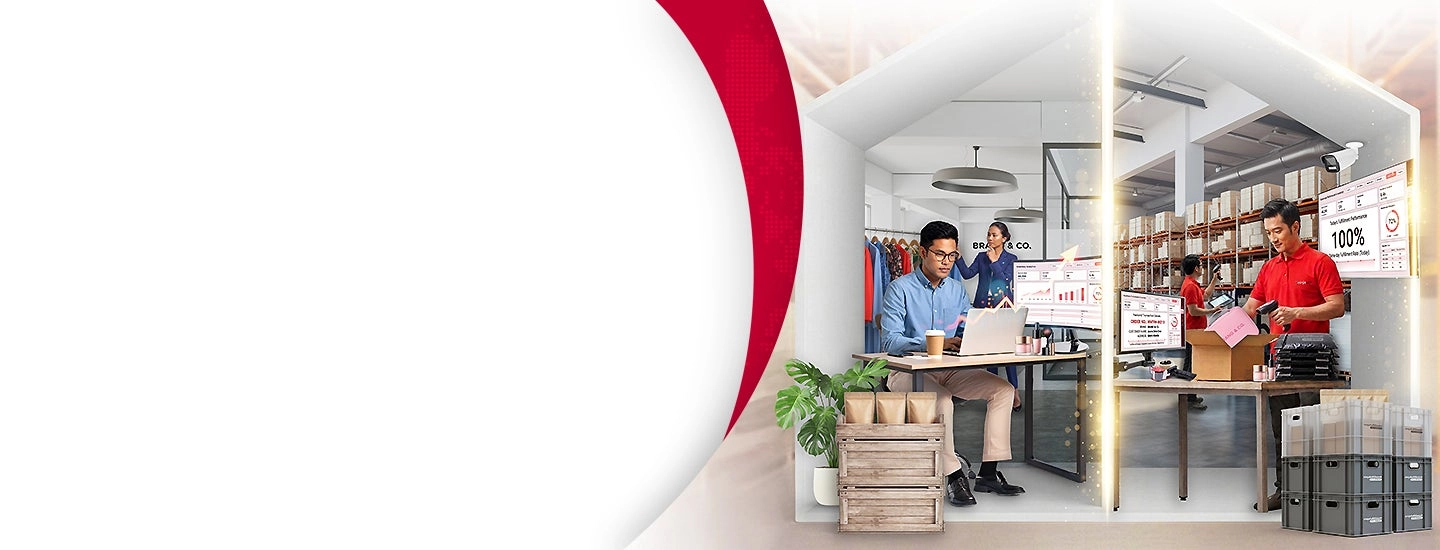
Most businesses don’t outgrow their fulfillment partner because they need more warehouse space. They outgrow it because the way they operate no longer fits the system they’re expected to follow. The receive-pack-ship-repeat model has no place in any form of business growth.
This is especially relevant for businesses with complex operational requirements, whether they manage multiple sales channels, handle regulated or fragile products, run subscription models, or experience unpredictable order volumes. As customer expectations rise, operational flexibility becomes a competitive advantage rather than a logistical convenience.
As businesses become more sophisticated, rigid fulfillment models become increasingly expensive, not only in cost, but in time, efficiency, and operational control. In today’s volatile market, ‘cookie-cutter’ fulfillment is a liability. True backend customization is now a non-negotiable requirement for operational excellence.
What Does Truly Customized Fulfillment Look Like?
Customization goes beyond having different kinds of packaging; it’s also about aligning your fulfillment strategy with your operational DNA. Here are three characteristics of a custom-fit approach:
1. Your Process Stays Yours
Every business develops operating procedures for a reason. They're built around product quality, compliance requirements, customer expectations, and years of operational learning. Those processes shouldn't be rewritten simply because a fulfillment provider can't accommodate them.
A custom-fit partner does the opposite: they learn your recipe. When they build their process around your standards and get to know exactly what you expect, you don’t need to micromanage. You can let them take the wheel because they aren't just following a generic list; they are following your plan instead of the other way around.
2. It Adapts When You Grow, but Not at the Expense of Your Capital
Your capital should work for you, not get locked away in idle infrastructure or dead stock. A common pitfall in ‘fixed-cost’ fulfillment models is being forced to invest in larger facilities and extra manpower to handle seasonal demand spikes, only to end up with expensive, underutilized space when demand inevitably normalizes.
A flexible model treats logistics as a variable asset, adjusting your footprint to match actual output so you can handle exponential surges without the burden of capital-heavy investments.
3. Visibility Without the Need for a ‘Manual Bridge’
Fragmented systems are a hidden cost. When inventory management, order processing, and delivery tracking are managed separately, you lose the bigger picture. When systems don't communicate with one another, businesses compensate manually - exporting spreadsheets, reconciling inventory across platforms, and checking multiple dashboards just to answer simple operational questions. These workarounds consume time and introduce avoidable errors.
A unified system provides end-to-end visibility from the warehouse shelf to the customer’s doorstep, eliminating manual reconciliation and data blind spots.
Custom-Fit Fulfillment: An Extension of Your Brand
A logistics partner truly capable of custom moves beyond the 'one-size-fits-all' model to provide a fulfillment backend as agile as the businesses it serves, regardless of size or stage.
Rather than providing a templated process, Ninja Van’s Fulfillment service offers a custom-fit experience that adopts a client's internal standards as its own. Ninja Fulfillment acts as a seamless extension of a business operation rather than a standard service provider.
Because no one understands your operations better than your own team, the fulfillment backend is designed around your existing standards rather than forcing your business into predefined workflows.
This operational flexibility is supported by a fully integrated Warehouse Management System (WMS) and Order Management System (OMS) that connects seamlessly with the business's existing systems, scanners, and major marketplace platforms. Ninja Fulfillment also integrates with the courier of the client's choice, ensuring their delivery strategy remains aligned with their broader business goals.
Ninja Fulfillment’s Pay-Per-Space pricing model and variable storage capacity allows businesses to scale space, manpower, and delivery capacity only when needed, as aligned with their predicted or actual output. Because they can expand during busy seasons and reduce operations during quiet months, there’s no need for the heavy capital investment of traditional warehousing.
Finally, Ninja Van’s centralized fulfillment network provides businesses with absolute visibility from the warehouse floor to the final delivery. This removes the need for manual data bridges or constant oversight, even as a company scales or adjusts its operational options.
Your fulfillment backend should be the engine that drives your growth, not the anchor that holds it back. Ninja Van provides custom-fit flexibility to ensure that when you grow, you do it without the friction of constantly re-engineering your operations.
Don't let a rigid fulfillment partner dictate your growth. Let’s design a system that reflects the unique needs of your business.