
What Is the Difference Between B2B and B2C Logistics in the Philippines?


Key Takeaways
- B2B logistics moves goods between businesses, and B2C logistics delivers goods to individual consumers, so the recipient decides the model.
- Philippine e-commerce gross merchandise value reached about US$21 billion in 2025, with 73% of adult Filipinos shopping online. Wholesale and retail trade is also the largest end-user segment of the freight and logistics market. All three figures are from Mordor Intelligence.
- Shipment size, delivery points, delivery proof, returns, and cost often differ between the two models.
- Ninja Restock serves B2B stock movement and Ninja Dash serves B2C delivery, with Ninja Fulfillment available for storage and order handling.
- A business that sells to both plans stock, booking, packaging, delivery proof, and returns for each flow.
B2B logistics moves goods between businesses, and B2C logistics delivers goods to individual consumers. Both are large in the Philippines. On the consumer side, e-commerce gross merchandise value reached about US$21 billion in 2025. On the business side, wholesale and retail trade is the largest end-user segment of the freight and logistics market, according to Mordor Intelligence.
The same report notes that 73% of adult Filipinos shop online, which keeps consumer delivery busy, while stores, branches, and distributors keep business shipments moving. This article explains how the two models differ, how each works in the Philippines, and how to choose the setup that fits your business.
What Is B2B Logistics?
B2B logistics covers the movement of goods between two businesses. Examples include a manufacturer delivering to a warehouse, a distributor supplying a retailer, and a brand restocking its own stores and counters.
What makes a shipment B2B is the recipient, not the size: if a business receives it, it is B2B. B2B shipments are often larger and scheduled in advance, and they usually go to fixed business addresses such as stores, warehouses, and distribution centers, where staff can receive the goods.
What Is B2C Logistics?
B2C logistics covers the delivery of individual orders from a business to a consumer’s home or pick-up point. It is the logistics layer behind every online order, such as a parcel ordered on Shopee at midnight that reaches the customer’s door within a day or a few days.
B2C shipments are often small and frequent, spread across many addresses, and consumers expect tracking and fast delivery. The recipient may not be home when the rider arrives, and returns are handled order by order. The final leg to the customer’s door is called last-mile delivery.
Main Differences Between B2B and B2C Logistics
| B2B logistics | B2C logistics | |
| Order size | Often pallets, cases, or truckloads | Often single parcels |
| Delivery points | Business addresses such as stores and warehouses | Many consumer addresses and pick-up points |
| Delivery proof | Often a signed receipt from the receiving business | Often tracking and recipient confirmation |
| Returns | Often tied to stock agreements and quality disputes | Often frequent and handled per order |
| Cost | Often lower per unit at larger volumes | Often higher per item because of handling and last-mile delivery |
These are common patterns, not fixed rules, and the details vary by sender, platform, and courier.
Order Size and Shipment Type
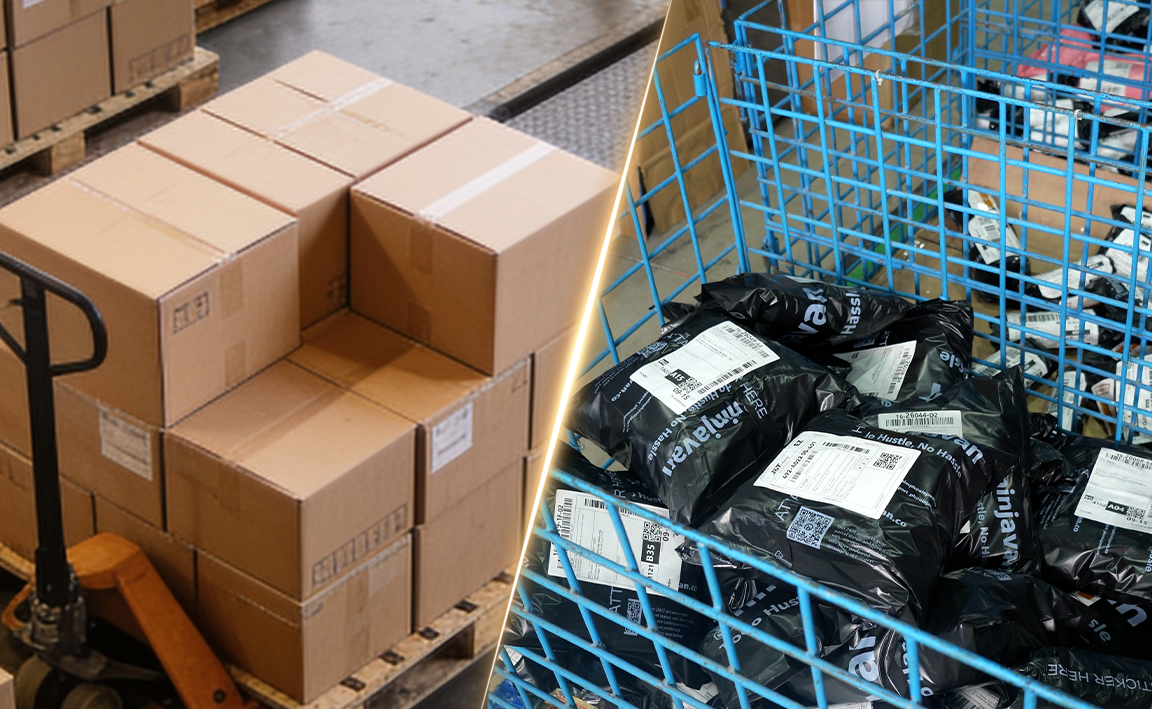
B2B shipments often move as pallets, cartons, or truckloads, while B2C shipments are usually single parcels, each addressed to a different consumer. One business can run both in the same week, restocking a store and shipping online orders from the same stock.
Delivery Points and Timing
B2B deliveries go to known business locations, often with scheduled receiving windows. B2C deliveries go to apartments, houses, gated villages, and offices, and the delivery date shown at checkout shapes when the customer expects the parcel.
Documents and Delivery Proof
B2B shipments often need a delivery receipt that the receiving business signs off, along with stock records. B2C shipments usually rely on parcel tracking and some form of recipient confirmation. The exact proof differs by sender, platform, and courier, so confirm what applies to your shipments.
Returns and Reverse Flow
B2C returns are frequent in some categories and handled order by order. B2B returns tend to be fewer and tied to stock discrepancies, quality disputes, or agreements between the two businesses. Set up the return process for each flow before shipments start.
Cost and Pricing Structure
In B2B, costs per unit often fall as shipment size grows, since a full truckload carries many items at once. In B2C, each parcel needs its own sorting, routing, and delivery, so handling and last-mile cost per item is usually higher. Pricing varies by provider, route, and shipment, so request quotes for both flows.
How B2B and B2C Logistics Work in the Philippines
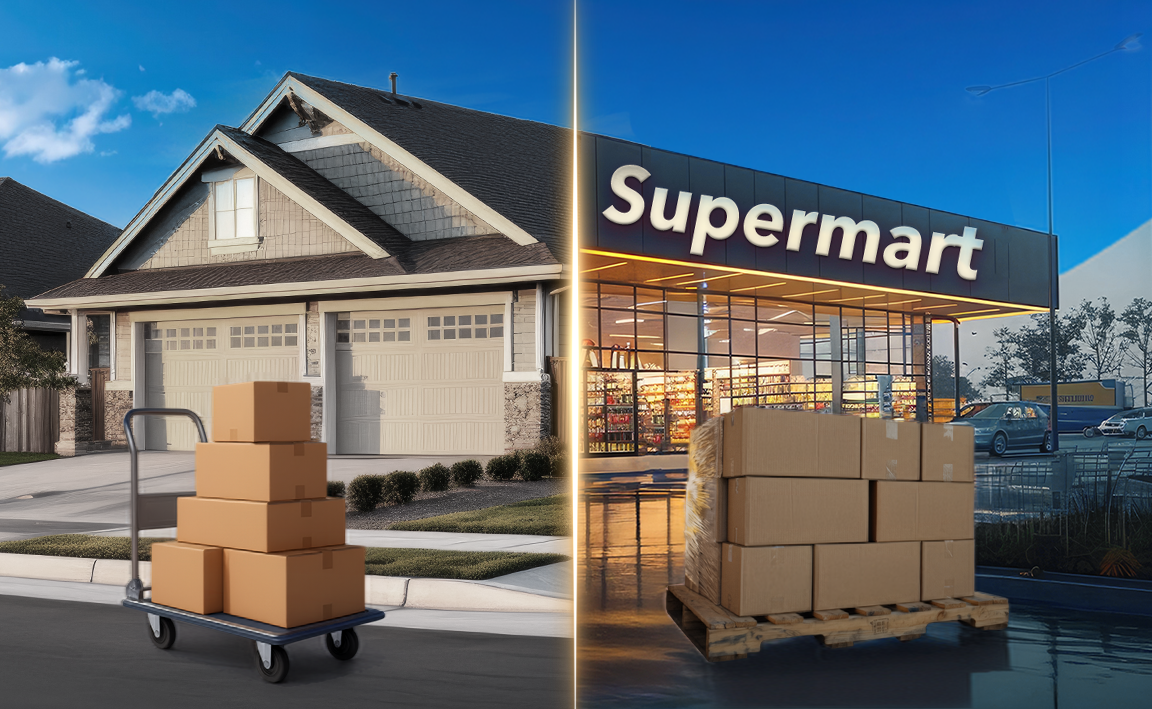
Philippine businesses can run B2B and B2C flows through different services, even when both draw on the same stock. Delivery times often differ between Metro Manila and the provinces, so plan each flow around where your stores and customers are.
B2B Restocking for Stores and Branches
Ninja Restock is Ninja Van’s B2B service. It moves goods from a warehouse to multiple drop-off points, such as stores and branches. It offers two truckload options, and the right one depends on the shipment.
- Less-than-truckload (LTL) suits frequent, smaller runs. The co-loading model removes the need to rent a full truck.
- Full truckload (FTL) suits large, scheduled replenishments.
The Ninja Dashboard shows the status of each shipment from pick-up to delivery. Ninja Restock delivers within Metro Manila, GMA, and Central and North Luzon. Check the latest coverage for your store locations before you plan a replenishment schedule.
B2C Delivery to Customers’ Doors
Ninja Dash is Ninja Van’s domestic B2C courier service. Businesses sign up, work with a dedicated account manager, and book pick-ups, after which Ninja Dash delivers door to door. Customers have also pointed to its dashboard and pick-up scheduler as helpful.
Where Fulfillment Fits In
Ninja Fulfillment handles the steps before delivery. It stores inventory, then picks, packs, and dispatches orders, so parcels leave ready to ship. Sellers who ship to both businesses and consumers should confirm with the Ninja Van team which fulfillment transaction type (B2B or B2C). The service supports before building it into a combined setup.
What Changes When a Business Sells to Both Businesses and Consumers
One brand serving retailers and online customers uses the same stock for two sets of needs. Plan these points in advance:
- Stock allocation, so a large store order and a spike in online orders do not draw on the same inventory at the same time.
- Bookings and schedules, since replenishments are usually planned while online orders arrive daily.
- Packaging, since a carton for a store differs from a parcel for a home.
- Delivery proof, which may differ for businesses and consumers.
- Returns, which are best set up separately for each flow.
Plan both flows in parallel so neither becomes an afterthought as volumes grow.
How to Choose the Right Logistics Setup for Your Business
Start with who receives your goods, since that decides the model. Then use shipment size, frequency, and speed to choose the arrangement within it.
| Question | If your answer is | Consider |
| Who receives your goods? | Businesses such as stores, branches, or distributors | B2B logistics = Ninja Restock |
| Who receives your goods? | Individual consumers | B2C logistics, = Ninja Dash |
| Within B2B, how large and how often are your shipments? | Large and scheduled, or frequent and smaller | Full truckload for large, scheduled transfers, or less-than-truckload for frequent, smaller runs |
| Within B2C, how fast and to how many addresses? | Frequent orders to many addresses | Door-to-door delivery with tracking |
| What delivery proof do you need? | Depends on your customers and platform | Confirm the options with your provider |
| How will returns be handled? | Differs by flow | Set up a separate process for each flow |
| Do you need outsourced storage? | Yes | Ask about Ninja Fulfillment for your flows |
#NinjaTip: If you ship to both stores and consumers, keep a separate stock buffer for online orders. A large store replenishment then won’t leave your online channels short during a sale.
How Ninja Van Supports B2B and B2C Logistics
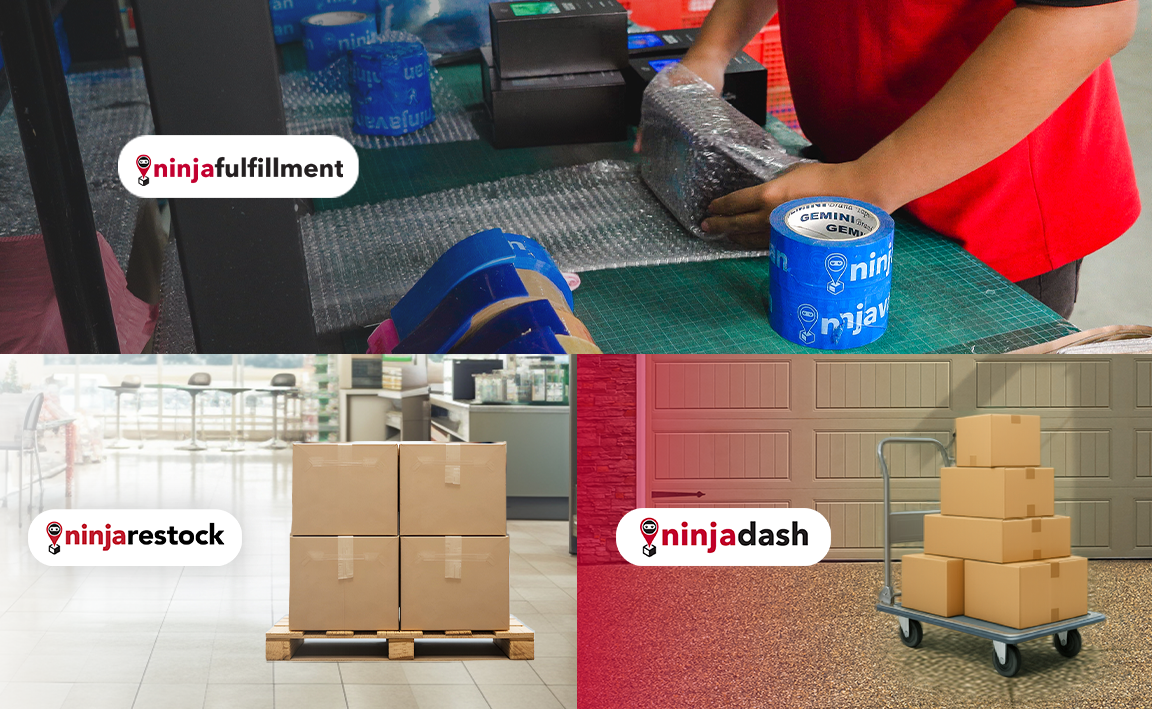
Ninja Van can cover both flows. Once you know who receives your goods, matching a service is simple:
- Ninja Restock for B2B stock movement.
- Ninja Dash for B2C delivery.
- Ninja Fulfillment for storage, picking, and packing. Supports both B2C and B2B
See the LTL vs. FTL article and the guide to last-mile delivery for businesses for more detail.
Request a quote from Ninja Van to find the right mix of services for your shipments.
Frequently Asked Questions on B2B and B2C Logistics
What is the main difference between B2B and B2C logistics?
The recipient. B2B logistics moves goods to another business, such as a store or distributor, while B2C logistics delivers to an individual consumer. B2B shipments are often larger and scheduled, and B2C shipments are often single parcels to many addresses, though size alone does not decide the model.
Is B2B or B2C logistics more expensive?
It depends mainly on shipment volume. Costs per unit often fall as B2B shipments get larger, while B2C carries more handling and last-mile cost per item. Pricing varies by provider, route, and shipment, so request quotes for both flows from your logistics provider before you compare them.
Can one logistics provider handle both B2B and B2C shipments?
Yes, when the provider has services for each flow. Ninja Van offers Ninja Restock for B2B and Ninja Dash for B2C, with Ninja Fulfillment for storage and order handling. Confirm with the Ninja Van team which shipment types each service supports for your business.
Do B2B and B2C shipments need different delivery proof?
Often, yes. B2B deliveries commonly use a delivery receipt from the receiving business, while B2C deliveries usually rely on parcel tracking and some form of recipient confirmation. Requirements vary by sender, platform, and courier, so confirm what applies to your shipments before dispatch.