
Is Your Restocking Operation Ready For Full Truckload Delivery?

.webp)
Growing businesses rarely run a single restocking model across every route. As shipment sizes change, routes get more complex, receiving windows tighten, and retail partner expectations become more specific, many businesses end up managing different approaches across different lanes.
That’s where LTL (less-than-truckload), co-loading, and FTL (full truckload) come in. Shared-capacity models can work well for smaller, more flexible replenishment runs. Dedicated truck capacity can make more sense when shipments get larger, or when delivery timing and route control start to matter more.
This article isn’t about positioning FTL as “better” than LTL. Instead, it’s a practical guide to help you evaluate when FTL becomes operationally relevant for B2B restocking.
In restocking terms, full truckload delivery is straightforward: one shipper’s inventory, one dedicated truck, one agreed delivery route, and a delivery plan built around your replenishment requirements.
What Is The Difference Between LTL And FTL In Restocking?
LTL (less-than-truckload) is a shared-capacity model where you use part of the truck space instead of renting the entire truck. Co-loading works on the same principle. You pay for the space you need, and the remaining capacity is used by other shippers. This model can be a good fit for routine smaller drops, flexible replenishment schedules, and businesses that don’t need full truck capacity on every run.
FTL (full truckload) is dedicated truck capacity for one shipper’s inventory. In B2B restocking, this tends to be more suitable for larger shipment volumes, tighter delivery windows, planned routes, or specific receiving requirements at the destination.
Shared-capacity freight remains widely used across the region. The Asia Pacific LTL market generated USD 54.39 billion in revenue in 2024 and is expected to continue growing from 2025 to 2030, showing that LTL remains an important model for smaller and more flexible freight movements.
Both models are valid. The right choice depends on shipment size, delivery timing, route structure, and what your operation needs to execute consistently.
When Does Full Truckload Delivery Become Relevant For B2B Restocking?
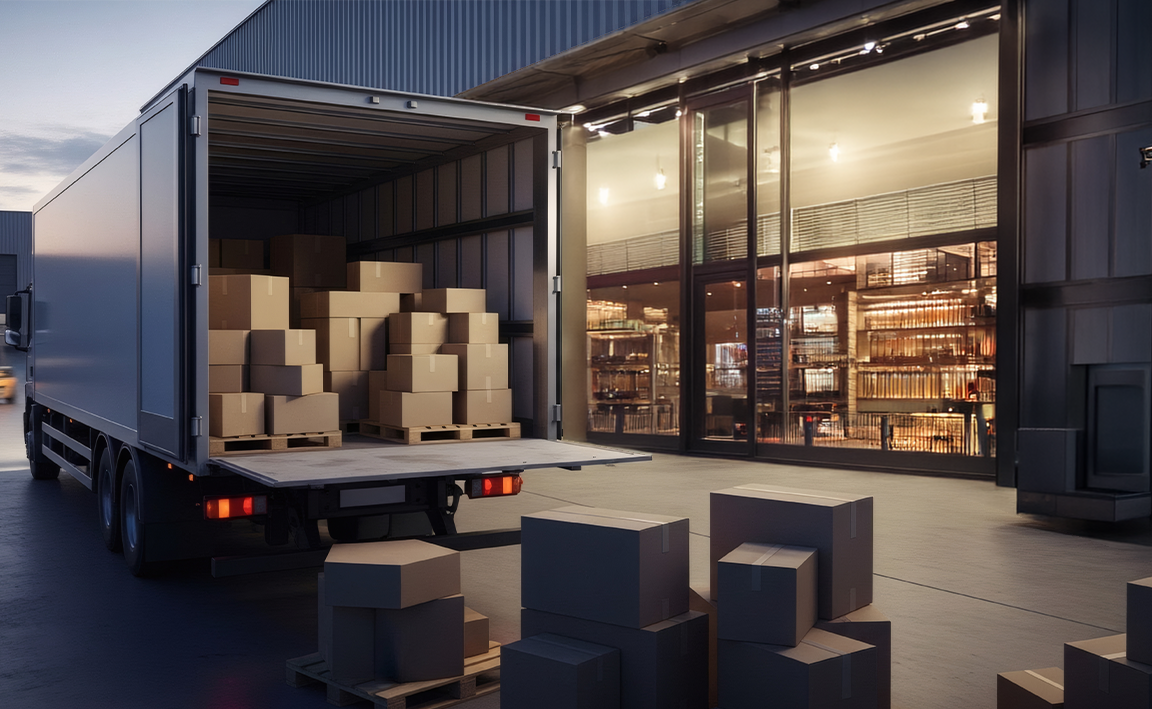
FTL becomes relevant in B2B restocking when your operation needs more control over how inventory moves, particularly around timing, truck capacity, route sequencing, and delivery documentation.
In practical restocking use cases, FTL can support:
- Warehouse-to-store deliveries
- Warehouse-to-warehouse inventory transfers
- Warehouse-to-distributor replenishment
- Bulk deliveries to retail partners or modern trade accounts
It’s also common for businesses to use both models. Co-loading can stay effective for routine smaller drops, while FTL can be reserved for larger or more time-sensitive replenishment runs. FTL is one tool within a broader restocking strategy, not a universal replacement for LTL.
What Are The Signs Your Restocking Operation May Need Dedicated Truck Capacity?
Are You Moving Large Volumes On A Consistent Schedule?
Recurring, high-volume replenishment is one of the clearest signals to evaluate dedicated truck capacity.
Common examples include:
- FMCG brands sending bulk inventory to supermarkets or hypermarkets on a regular cadence
- Retail chains restocking multiple branches from a central warehouse
- Distributors managing consistent carton-level deliveries to an outlet network
When volume becomes consistently high, operations teams often start comparing shared-capacity models against dedicated truck capacity to see which option supports cost, timing, and control more reliably.
Business outcome: Better alignment between shipment volume and delivery model, more predictable replenishment planning, and less coordination pressure for repeated high-volume deliveries.
Do Your Deliveries Need Tighter Receiving Windows?
Some B2B deliveries are tied closely to receiving schedules, retail partner requirements, campaign launches, or purchase order timelines. LTL or co-loading can still be suitable when timing is flexible.
FTL becomes more relevant when receiving windows are less flexible and need to be planned around specific requirements, such as:
- Campaign stock that must arrive before a promotion begins
- Store replenishment that must follow fixed receiving hours
- Retail partners that monitor delivery compliance or on-time receiving
Business outcome: More predictable delivery windows, better support for retail partner compliance, and reduced risk of campaign stock arriving late.
Do Your Delivery Routes Follow A Repeatable Pattern?
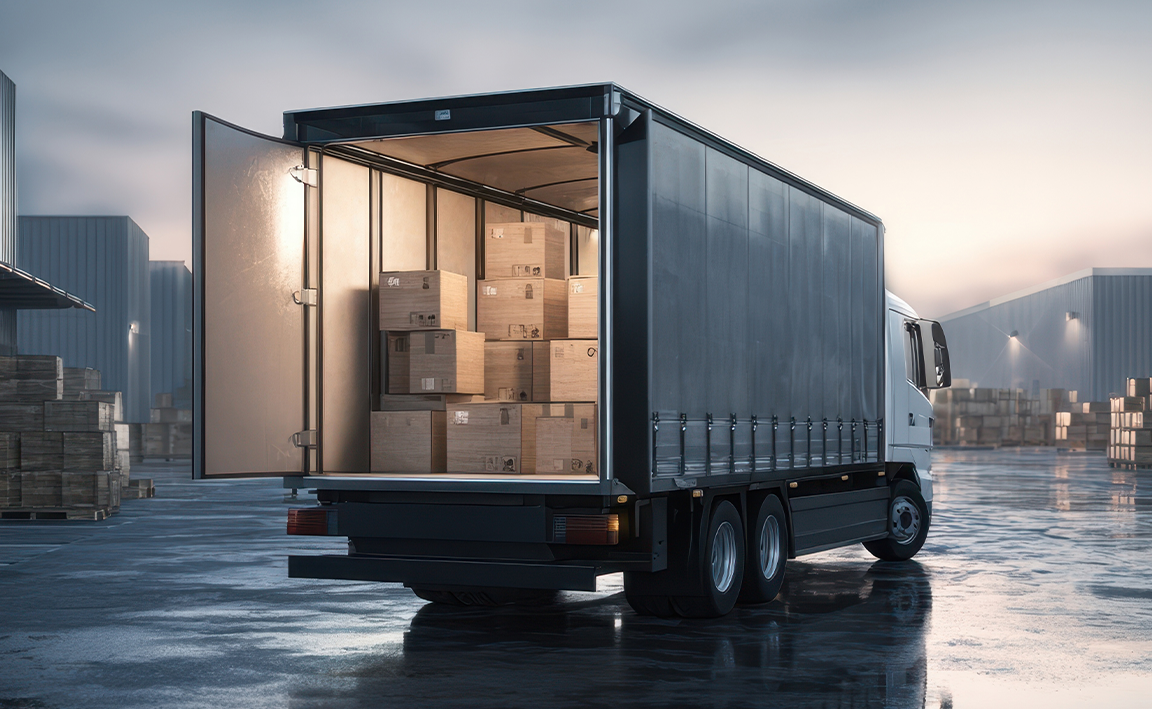
Repeat routes to the same stores, distribution centers, branches, or outlet networks make route planning more predictable. A logistics partner that regularly supports these lanes can help with stop sequencing, delivery window planning, dispatch coordination, and transit time consistency.
Common examples include:
- FMCG distributors delivering to the same modern trade accounts weekly
- Retail brands restocking company-owned or franchised locations on a fixed schedule
- Businesses moving inventory between warehouses or regional hubs on planned timelines
For FMCG restocking operations specifically, scan-to-print dispatch technology can support accuracy at the sorting stage. Case barcodes are scanned on arrival, QR codes are printed with SKU and store destination information, and products are sorted by zone before dispatch. This removes the need for manual SKU- and store-level picking and reduces handling errors across high-volume runs.
Business outcome: More structured route planning, smoother store receiving, and better support for on-shelf availability across delivery locations.
Are Handling Accuracy And Documentation Becoming More Important?
B2B restocking at scale, particularly into modern trade channels, often requires accurate shipment handling, reliable delivery confirmation, and documentation that supports issue resolution when needed. This is especially relevant for high-value goods, bulky carton-level shipments, and retail partners with formal receiving requirements.
Documentation requirements apply across both LTL and FTL. The key question is whether your current model gives you enough visibility and control for the deliveries you’re running. Real-time tracking and proof of delivery processes, including picture proof of delivery, help businesses confirm completion, manage disputes, and maintain clear records across restocking activities.
Business outcome: Clearer delivery records, faster dispute resolution, and better visibility across restocking runs.
Is Your Current Restocking Model Creating Planning Friction?
The need to review your delivery model isn’t always driven by volume alone. Planning friction can show up as:
- Recurring delivery delays on routes that used to be reliable
- More time spent coordinating individual shipments
- Stock gaps that appear during campaign periods
- Delivery schedules that no longer align with store receiving requirements
- SLA misses becoming more frequent
- Planning complexity growing faster than shipment volume
This isn’t about blaming LTL or co-loading. Friction often happens when the delivery model no longer matches your current volume, timing expectations, or route complexity.
Business outcome: A better-fit restocking model helps operations teams plan inventory, deliveries, and store receiving with greater consistency, without adding coordination overhead to compensate for the gap.
Is FTL Mainly A Volume Decision Or An Operational Decision?
Volume is only one input. Businesses also evaluate:
- Delivery deadlines and store receiving schedules
- Unloading requirements and constraints at the destination
- Route complexity and number of delivery stops
- Campaign or seasonal restocking timelines
- Retail partner compliance expectations
- Coverage requirements across Metro Manila, GMA, Luzon, and beyond
Many operations run mixed strategies: co-loading for routine smaller replenishment, FTL for high-volume runs, and FTL for campaign-based or fixed-route delivery plans. The right model can shift by season, retail partner, shipment type, or business objective.
How Does Ninja Restock Support Different Restocking Models?
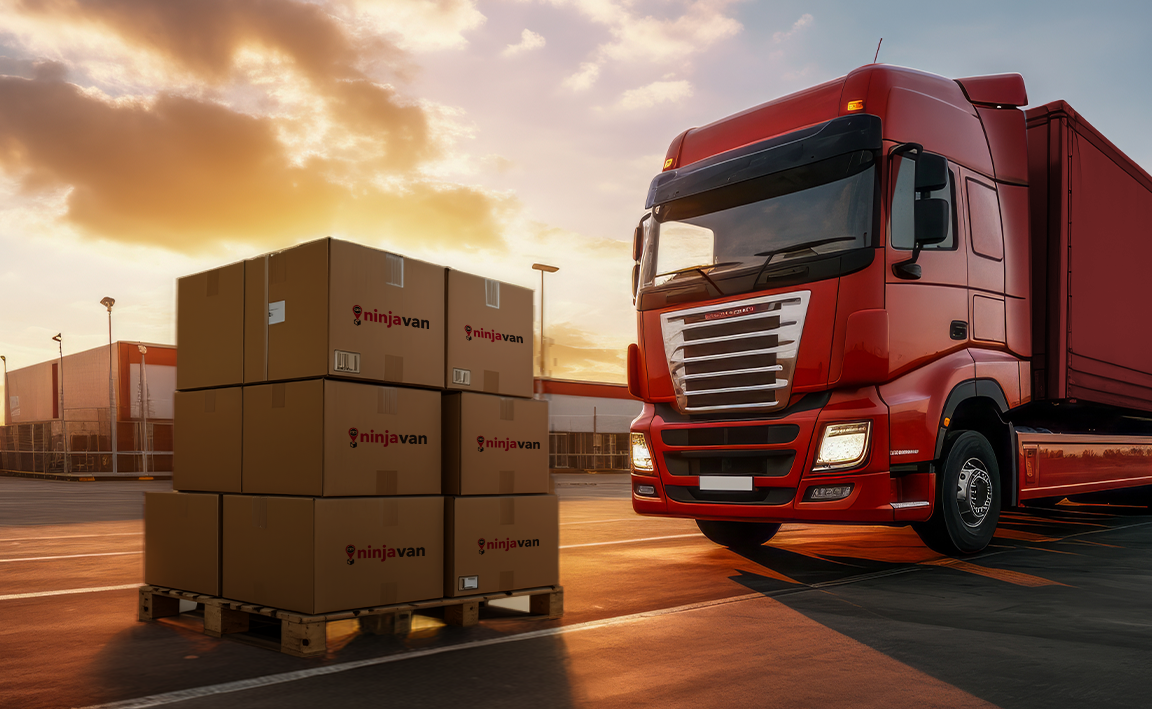
Ninja Restock is a flexible, tech-enabled B2B restocking solution designed to support businesses with different shipment volumes, delivery requirements, and route structures.
For businesses that want to pay only for the capacity they use, co-loading is available for smaller or routine replenishment runs. For larger, route-specific, or time-sensitive restocking, FTL provides dedicated truck capacity across direct-to-store, warehouse-to-warehouse, and warehouse-to-distributor delivery routes.
On the technology side, Ninja Restock’s scan-to-print process supports accurate case-level sorting before dispatch, while its AI-enabled sorting system reduces manual handling across high-volume runs. Shipment status is trackable via the Ninja Dashboard, which provides real-time updates from pickup through to delivery.
Coverage spans Metro Manila, GMA, Central and North Luzon, and many locations within the Visayas and Mindanao regions. Typical delivery times are next-day within Metro Manila and GMA, and 1–2 days for provincial locations.
The goal is to help operations teams identify which model fits their current requirements, and where a combination of co-loading and FTL makes more sense than relying on a single approach.
Choosing The Right Restocking Model For Your Operation
Full truckload delivery isn’t automatically the next step for every restocking operation. It becomes worth a closer look when your shipment volume, delivery timing, route structure, or operational requirements call for more dedicated capacity and control than a shared-capacity model can consistently provide.
For many businesses, the most practical approach is a mix: co-loading for routine smaller drops, and FTL for higher-volume, tighter-window, or route-specific replenishment runs.
If your team is already managing recurring restocking runs, tighter delivery windows, or multi-location replenishment, it may be time to review whether your current logistics model still fits your operations. Ninja Van can help assess the right setup based on your shipment volume, delivery routes, receiving requirements, and business goals.