
How to Fulfill Product Sets for Peak Season With Kitting and Bundling


Key Takeaways
- A product set combines items from different SKUs into one sellable unit, so one short component holds back the whole set.
- In kitting, components are assembled into a packed unit ahead of orders, and in bundling, separate items are packed together at order time.
- A bill of materials, a component count on arrival, and a check before release keep sets accurate during peak season.
- Ninja Fulfillment lists bundle packing, barcode tagging, and custom packaging and labelling, and offers kitting and leaflet inserts on request as additional value-added services.
- Orders received on or before the 4:00 PM cut-off are handed to the last-mile courier the same day or are ready for hand over to the last-mile courier, and the cut-off may be extended during peak periods.
Product set fulfillment for peak season takes four steps: decide which sets to assemble ahead of time, prepare components and packaging before the rush, check each set from pick to handover, and reconcile leftover components afterwards. A set is only as available as its scarcest component, so sets need more counting and checking than single items.
Online buying keeps growing. The Philippine Statistics Authority reports that 36.7% of internet users aged 10 years and above in the Philippines purchased goods or services online in 2024, based on preliminary results. A 2026 e-Conomy SEA report, as covered by BusinessWorld, expects e-commerce to contribute US$28 billion to the Philippine digital economy this year. Neither figure is a holiday number, but both show a large base of orders that sets must be ready for.
This article walks through the warehouse workflow for sets, from planning to handover.
Why Product Sets Add Pressure During Peak Season
A set draws on several SKUs at once, so a shortage of one component blocks the whole set. Peak order volume leaves little time to fix a mistake, and a wrong item in a gift set is hard to correct after it has shipped.
One Set, Many Components
The stock count of a set depends on its scarcest component. A gift set made of one serum, one cream, and one pouch, for example, can only be built as many times as the lowest of those three counts. Check every component before a set goes on sale, and count the set against the component with the lowest stock.
Marketplace and Own-Store Orders Compete for the Same Stock
Sets sold on several channels draw on one inventory. Each marketplace order, social media order, and store order for a set reduces the same component counts. Ninja Fulfillment connects with Shopee, Lazada, Shopify, WooCommerce, eBay, and Zalora, so orders from those channels can draw on one stock pool. Keep one set of component counts for all channels, so a set is not sold twice.
Deciding What to Kit and What to Bundle
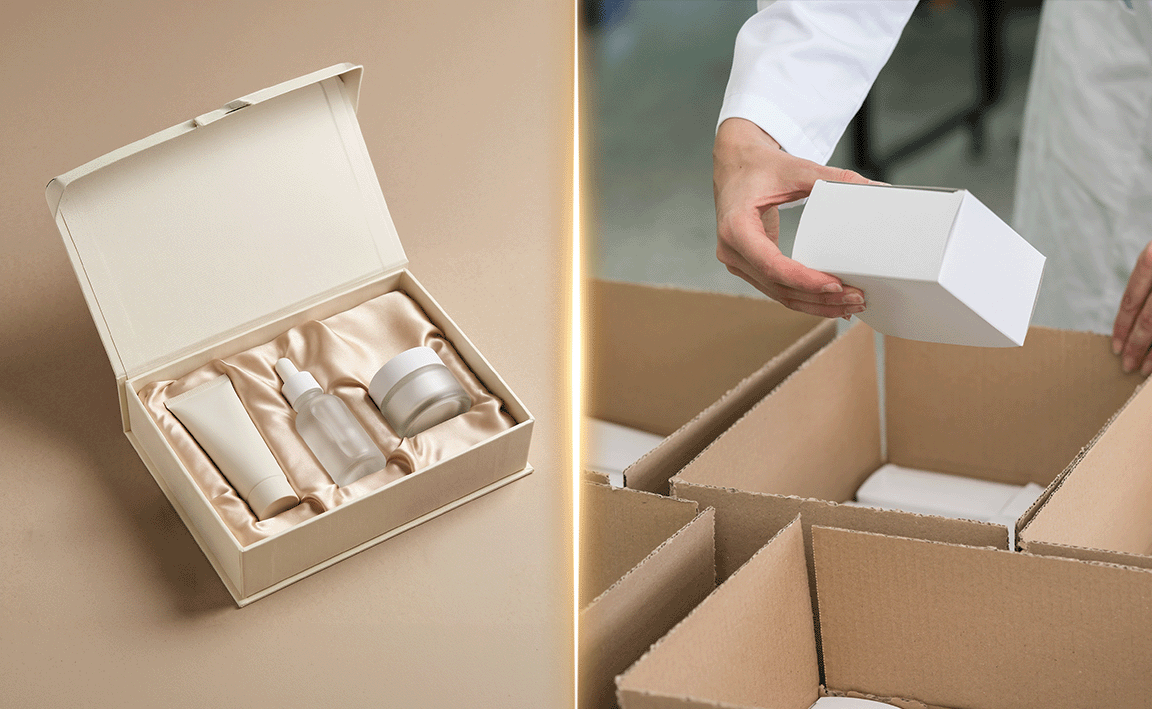
Kitting and bundling both put several items into one package, but they happen at different times. In kitting, the warehouse pre-assembles the components into a new packed unit ahead of orders. In bundling, it packs separate products together into one package when an order is processed.
| Kitting | Bundling | |
| When it happens | Before orders arrive | When an order is processed |
| What is created | A ready-to-ship packed unit | An order containing multiple individual items packed together |
| Suits | Fast-moving sets with fixed contents | Sets with options or slower sales |
| Stock effect | Components move into a kit count | Components stay as separate items until packed |
Which Sets Are Worth Pre-Assembling
Pre-assemble a few fast-moving sets based on past sales, and leave the long tail to be packed at order time. Pre-assembly shortens pick time on the busiest days but ties components up in kits, so keep the number of kit types small.
Set Lists and Component Readiness
Write a bill of materials (BOM) for each set before any stock arrives. It should list:
- every SKU in the set and the quantity of each
- the barcode of each component
- the packaging, labels, and inserts the set needs
- the set’s own SKU or barcode
A clear BOM lets the warehouse pick, check, and pack each set the same way every time.
Preparing Components and Packaging Before the Rush
Send components early enough to be received, counted, and put away before orders build up. Confirm that components are barcoded and counted before assembly starts.
Inbound Timing and Stock Checks
Schedule inbound deliveries ahead of the peak, and count components against the BOM when they arrive. A short count found on day one is easier to fix than a short count found on the day a set sells out. Ninja Fulfillment offers barcode tagging and custom packaging and labelling, and quality control based on your guidelines. Agree the inbound steps and lead times for your products before the first delivery.
Packaging, Labels and Inserts
Prepare set packaging, labels, and leaflet inserts early, since late packaging is a common cause of delay. Leaflet inserts and kitting are available on request as additional value-added services, so include the agreed assembly schedule and any quoted service charges in your volume plan.
Pick-to-Handover Checks for Sets
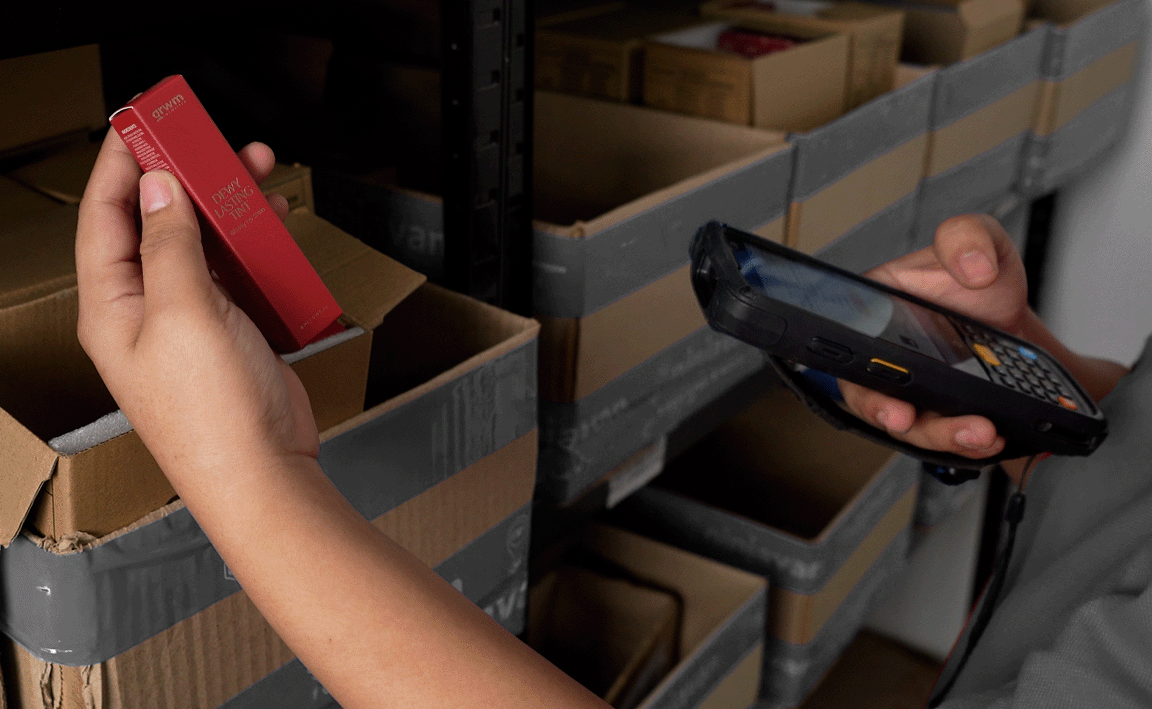
A set stays accurate when every step has a check. A simple order of work looks like this:
- pick each component against the BOM
- scan each barcode
- assemble the set
- check contents, seals, and packaging
- label the set
- hand the order over for delivery
Assembly and Quality Checks
Check the contents of each set, the condition of seals, and the state of the packaging before the set is released. Set your own quality guidelines in advance, because Ninja Fulfillment offers quality control based on your guidelines, and a clear guideline gives the warehouse something specific to check against.
Cut-Off and Handover to the Last-Mile Courier
Orders received on or before the 4:00 PM cut-off are handed to the last-mile courier the same day or are ready for hand over to the last-mile courier. During peak periods, the cut-off time may be extended. Plan set assembly around the current cut-off, so finished sets are ready before it.
Closing the Peak With Returns and Leftover Components
After the peak, count what remains and decide what happens to unsold sets and loose components. A short review while the numbers are fresh makes the next peak easier to plan.
Reconciling Components and Re-Inventory
Break unsold kits back into component SKUs and update the inventory counts. Returned items are opened and quality checked under Ninja Fulfillment’s returns handling, and items that pass the checks can be put away for reuse. Reconcile the counts of returned items together with leftover components, so the next order draws on correct numbers.
Deciding What to Keep, Rework or Dispose Of
Sort leftovers into three groups:
- keep, when components are in good condition and still sell
- rework, when a set can be rebuilt with a new component or new packaging
- dispose of, when an item is damaged or no longer usable under your own rules
Record each decision, so the stock count and the books agree.
#NinjaTip: Count the scarcest component of each set before you activate the set in your catalogue. A set that cannot be built should not be listed as available.
How Ninja Fulfillment Supports Peak Season Sets
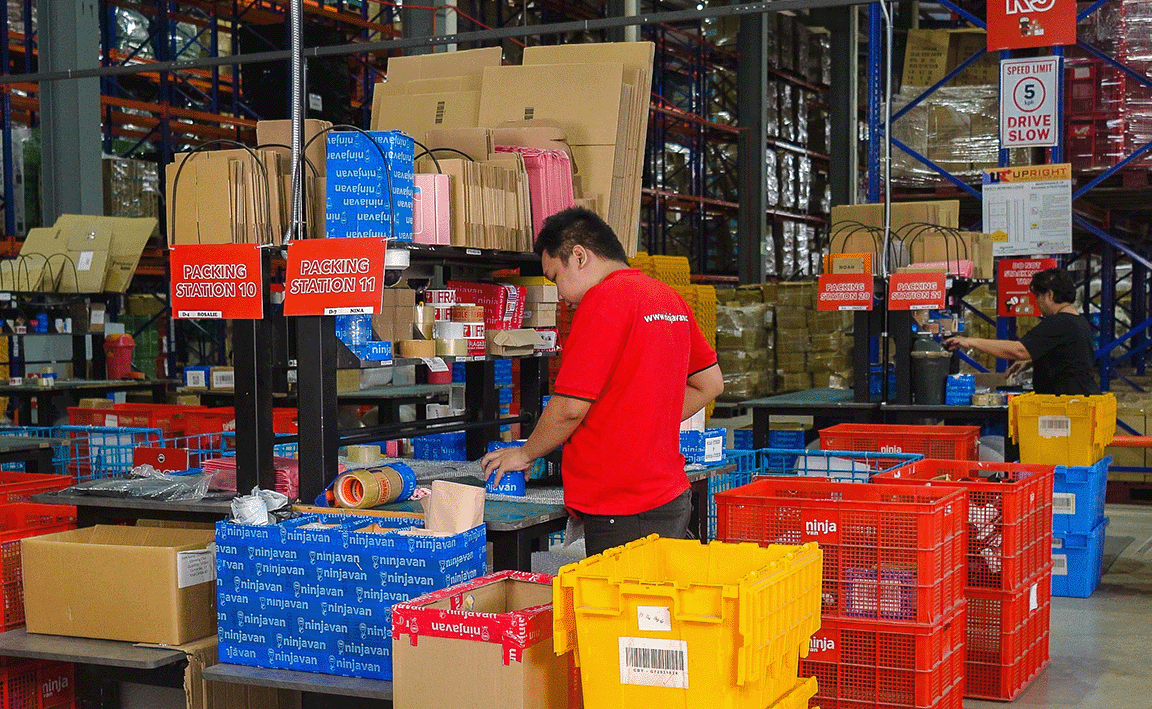
Ninja Van runs Ninja Fulfillment for brands that need storage, picking, and packing in one place. The service lists bundle packing, barcode tagging, custom packaging and labelling, and returns handling. Leaflet inserts and kitting are available on request as additional value-added services. Ambient and/or cold storage applies to Ninja Fulfillment storage only. It supports both B2B and B2C orders and connects with Shopee, Lazada, Shopify, WooCommerce, eBay, and Zalora.
Planning your product sets for the peak? Contact the Ninja Van team to talk through kitting, bundling and your fulfillment needs, and request a quote.
FAQs on Fulfilling Product Sets for Peak Season
What is the difference between kitting and bundling in fulfillment?
In kitting, the warehouse assembles components into a new packed unit ahead of orders. In bundling, it packs separate items together when an order arrives. Kitting suits fast-moving sets with fixed contents, and bundling suits sets with options or slower sales. Many brands use both for different sets.
When should product sets be sent to the warehouse before peak season?
Send components early enough for receiving, counting, and assembly before orders build up. The right lead time depends on volume, set complexity, and the number of components, so confirm it with the warehouse when you plan your inbound schedule and agree dates for each delivery.
H3: Does Ninja Fulfillment offer kitting and bundling?
Bundle packing is listed on the Ninja Fulfillment page, and leaflet inserts and kitting are available on request as additional value-added services. Include the agreed assembly schedule and any quoted service charges for kitting in your peak volume plan, so the cost and timing of each set are known early.
What happens to leftover components after the holiday peak?
Count the leftovers, break unsold kits back into component SKUs, and update inventory. Items that are in good condition can return to stock, sets can be reworked, and damaged items can be disposed of under your own rules. Returned items are opened and quality checked first.