
What Logistics Requirements Should Corporate Brands Prepare for Enterprise Bidding?


Key Takeaways
- Enterprise bids and requests for proposal (RFPs) ask corporate brands to show how goods and documents will be delivered, tracked, and reported on, so logistics answers are best prepared before the bid opens.
- Private buyers set their own requirements. Public bids follow Republic Act No. 12009, which applies to government entities only, so check which one your buyer uses.
- A shipment profile covers item types, routes, volumes, pick-up frequency, and peak-month needs, all taken from your own records.
- Tracking, proof of delivery, failed-delivery handling, and confidential items are common question areas, and the terms are best agreed with your provider in writing.
- A bid response matrix and one shared evidence folder keep every answer easy to find and reuse across bids.
Corporate brands preparing for enterprise bidding should gather four things before a request arrives: a shipment profile, answers on tracking and proof of delivery, handling rules for sensitive items, and written terms from each logistics provider they plan to name. Buyers may ask for all four, and each one is faster to answer when it is prepared in advance.
Private buyers set their own requirements, so no single rulebook covers every bid. Government buyers follow Republic Act No. 12009, the New Government Procurement Act dated July 20, 2024, which applies to government entities only. This article covers what buyers may ask, not formal legal requirements, and uses one public courier bid as a worked example.
What Enterprise Bids May Ask a Logistics Provider to Show
Requirement lists differ by buyer, and many ask for similar things: proof of experience, capacity to deliver, service terms, and a priced offer. Under Republic Act No. 12009, a government bid has a technical component and a financial component, each in a separate sealed envelope, and the technical component is checked first on a pass or fail basis. Private bids may follow a similar pattern, so prepare evidence for each part separately.
Experience and Capability Evidence
Buyers may ask for years in operation, similar completed contracts, and contracts that are currently running. The bid documents of the Civil Aviation Authority of the Philippines for a courier service (Bid No. 25-32-05) list a statement of ongoing contracts and a statement of the single largest completed contract among the technical documents. This is a public-sector example of the evidence style and not a rule for private bids.
A corporate team can build the same view from its own records: similar delivery programs, volumes handled, and the years each provider has served the brand.
Service Terms Buyers Expect to See in Writing
Courier bids often set service terms in a terms of reference. The same CAAP bid documents include these examples:
- pick-up within the day of notification, Monday to Friday
- proof of delivery with the receiver’s name, signature, date and time, and the courier’s name, submitted within three working days
- loss or damage reported within 24 hours
- three delivery attempts before an item is returned
- an online system for monitoring and tracking items
- rates that include insurance, valuation charges, and taxes, and stay fixed for the contract period
Treat these as a public-sector example of what a buyer may check. Private buyers write their own terms, so ask your logistics provider which of them it can meet in writing.
Shipment, Route and Volume Information to Prepare

A bid is easier to answer when you know your own delivery profile before you ask providers for a quote. Start with two lists.
What You Ship and Where It Goes
- item types, such as parcels, cartons, documents, or cards
- typical size and weight
- special handling, such as fragile or confidential items
- pick-up locations
- destinations, including provinces and island areas
- delivery address types, such as offices, stores, and homes
How Much and How Often
Gather monthly volume, peak-month volume, pick-up frequency, and expected growth. Take these figures from your own records, since a provider needs them to confirm capacity and a buyer needs them to compare offers. Peak-month volume deserves the most care, because it is the figure that tests a delivery plan.
Tracking, Proof of Delivery and Reporting Questions to Answer
Buyers want to see how each shipment can be followed and proven, so decide the answers before the bid opens. Use this table as a worksheet.
| Question | What to prepare | Where it comes from |
| Can each shipment be followed? | The status stages and the people who need access | Provider’s tracking platform |
| What proves delivery? | The details you need, such as receiver name, date, and time | Provider’s delivery proof options |
| What happens when delivery fails? | Number of attempts and return timing | Written service terms |
| Which reports do you need? | Report types and how often you need them | Provider and your internal teams |
Tracking and Delivery Proof
A buyer may ask for shipment status updates and delivery proof details, such as who received the item and when. Ninja Van’s services offer booking and tracking on the Ninja Dashboard. List the proof-of-delivery and reporting options your buyer needs, then record how each one is met in your bid.
Failed Deliveries, Returns and Exceptions
Bids often ask how many delivery attempts are made and what happens to undelivered items. The public CAAP example sets three attempts, then a return within three working days for NCR and Luzon and five working days for Visayas and Mindanao. These terms are set by each buyer and provider, so agree yours in writing and list who is told when an item cannot be delivered.
Handling Sensitive Items Such as Documents and Cards

Bids that include confidential paperwork, IDs, or cards add questions about custody, confidentiality, and loss reporting. Ask providers how items are handled from pick-up to handover, who can receive them, and how a loss is reported.
Ninja Van’s Card & Document Delivery covers confidential paperwork and letters, corporate documents, IDs, cards, and statements of account. Take service levels, pricing, and process steps from written terms when you quote them in a bid.
Turn the Evidence Into a Bid Response Matrix
Map each buyer requirement to your own evidence and to your provider’s written answer. Gaps then show up before the bid is submitted.
| Buyer requirement | Your evidence | Provider’s written answer | Gap or follow-up |
| Delivery proof within an agreed period | Sample proof-of-delivery records | Confirmed in the provider’s quote | Ask for a sample report |
| Tracking access for the buyer | Screenshots of tracking views | Provider’s dashboard description | Confirm number of user logins |
| Peak-month capacity | Last year’s peak volumes | Provider’s capacity statement | Share the peak forecast |
This is a bid-readiness step. It checks that every requirement has an answer and does not rank providers.
#NinjaTip: Keep one shared folder with the shipment profile, volume records, route list, service terms, sample tracking views, and the bid response matrix. Each new bid then starts from answers you already have.
How Ninja Van Supports Corporate Brands Preparing for Bids
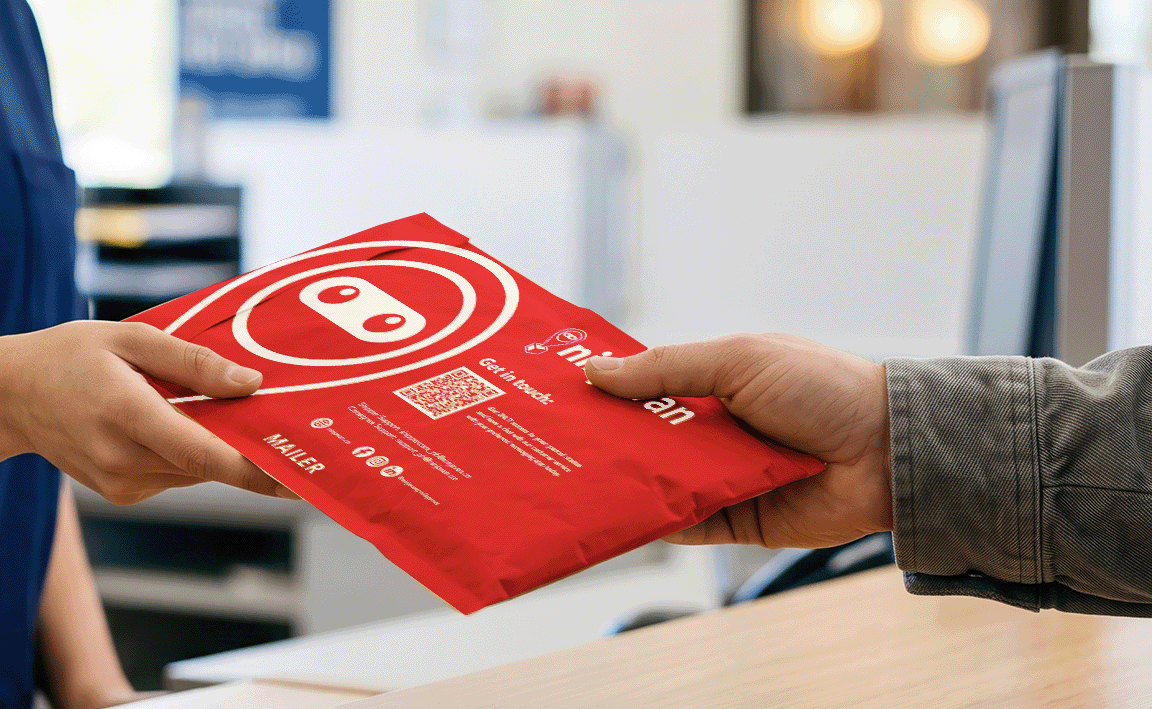
Ninja Van offers three services that bid teams can name in their responses:
- Ninja Dash is a domestic B2C courier service for parcels, cards, documents, and mailer products, managed through one dashboard.
- Ninja Restock moves stock between business locations by full truckload or less-than-truckload.
- Ninja Fulfillment provides warehousing and inventory storage, then handles order picking, packing, and dispatch
Place the written answers on tracking, delivery proof, and reporting in your matrix, so every requirement has an answer before you submit.
Getting ready for your next bid? Contact the Ninja Van team to talk through your shipment profile and request a quote.
FAQs on Logistics Requirements for Enterprise Bidding
What may enterprise bids ask for from a logistics provider?
Enterprise bids may ask for proof of experience, capacity and coverage, written service terms, tracking and delivery proof, and a priced offer. Requirements differ by buyer, so read the bid documents closely and prepare evidence for each item before you ask providers for quotes.
Are logistics requirements for private corporate bids set by law?
No single law sets them. Private buyers write their own requirements, while government buyers follow Republic Act No. 12009, which applies to government entities only. Check your buyer’s bid documents to see which rules apply, and ask the buyer when it is unclear.
What shipment data should a brand prepare before asking for logistics quotes?
Prepare item types, size and weight, special handling, pick-up and delivery locations, monthly and peak-month volumes, and pick-up frequency. Use your own records so every provider quotes against the same figures, your bid answers stay consistent, and the buyer can compare offers on equal terms.
How should a brand handle confidential documents in a bid?
Ask each provider in writing about custody, confidentiality, and loss reporting, and how its document delivery service handles items from pick-up to handover. Record the answers in your bid response matrix, so they can be reused across bids and checked against each buyer’s requirements.