
How Can Businesses Manage Multiple Sales Channels And Fulfillment Operations In The Philippines?

.webp)
Most growing e-commerce and retail businesses don’t start with a fragmented logistics setup. It usually happens gradually: one sales channel becomes several, one courier becomes multiple partners, and one warehouse workflow becomes a patchwork of manual updates across marketplace dashboards, courier portals, and spreadsheets.
The complexity isn’t just about delivery. As operations scale, teams start feeling the strain across inventory visibility, order processing, warehouse coordination, dispatch accuracy, returns handling, and reconciliation across multiple fulfillment touchpoints.
Running multiple sales channels and courier partners can be a smart decision. It helps brands reach more customers, improve delivery coverage, and stay flexible across different markets. The real challenge starts when these channels and fulfillment touchpoints aren’t connected through one centralized operational setup.
This article breaks down what an integrated fulfillment setup looks like end to end, especially for businesses managing growth across multiple channels in the Philippines.
Why Does Fulfillment Become More Complex As Sales Channels Grow?
With 97.5 million internet users in the Philippines at the start of 2025, representing 83.8% internet penetration, brands have a larger online audience to serve across marketplaces, social commerce, and owned e-commerce channels.
Each new sales channel adds new operational requirements: order syncing, inventory updates, platform-specific rules, payment flows, customer expectations, and delivery timelines. Running orders across Shopee, Lazada, TikTok Shop, or a brand-owned Shopify storefront each comes with its own dashboard, order flow, and service timeline expectations.
Each courier partner adds more moving parts, including pickup schedules, tracking portals, COD processes, and issue resolution steps that can differ by provider.
The issue isn’t the number of channels or courier partners. The issue is what happens when there’s no single operational layer connecting sales channels, inventory, warehouse activity, and courier handover.
Without integration, teams often end up:
- Manually compiling orders across multiple channels
- Updating stock after dispatch instead of in real time
- Checking multiple courier portals separately
- Resolving disputes without a clear, centralized record of what happened in the warehouse and what was handed over
What Does An Integrated Fulfillment Setup Actually Look Like?
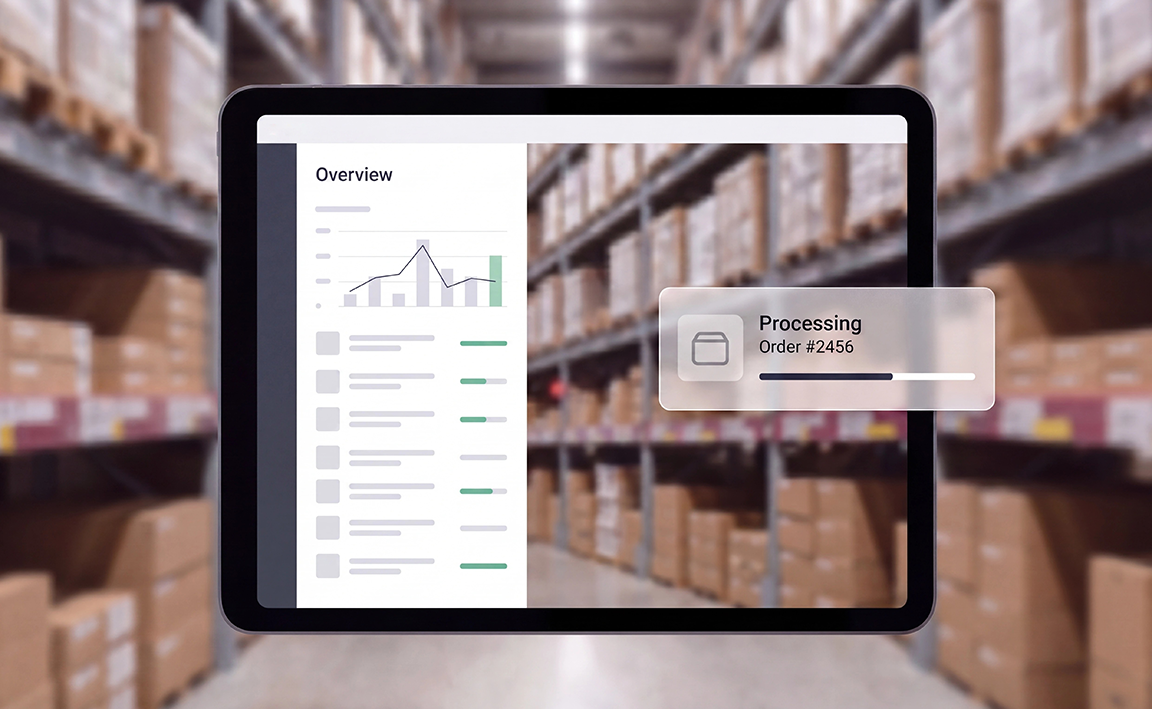
An integrated fulfillment setup is a centralized operation that connects:
- Sales channels
- Inventory storage
- Order processing
- Picking and packing
- Outbound dispatch and courier handover
- Returns handling
It sits between a business’s storefronts or marketplaces and its last-mile courier partners. The result is a clearer view of orders, available stock, warehouse status, pick-and-pack progress, dispatch, courier handover, and returns in one operational flow.
Integrated fulfillment also doesn’t mean a business must use only one courier. The point is to run multiple channels and preferred couriers through a more organized warehouse and inventory system.
How Does The Fulfillment Process Work From End To End?
Inbound Receiving
Products arrive at the fulfillment center and are received through inbound processing and quality assurance checks. This includes verifying quantities, product condition, and SKU details before stock enters storage. This establishes a verified baseline for inventory accuracy before orders start flowing.
Centralized Storage And Inventory Management
Inventory is stored in assigned warehouse locations and managed through a warehouse management system. Stock levels are updated as orders are processed across connected sales channels, with periodic stock counts maintaining an accurate ongoing record.
For multi-channel sellers, this matters directly. Poor stock visibility leads to overselling, out-of-stock issues, canceled orders, and customer complaints. A centralized system helps prevent these issues from compounding as order volume grows.
Order Syncing From Sales Channels
Instead of re-entering order details per channel, an integrated setup syncs orders into a single workflow so the warehouse team can process demand without manually copying from multiple dashboards. Orders can be received through automated or manual upload, keeping the warehouse aligned with real-time demand.
Picking And Packing
Warehouse teams pick items based on system order details and follow controlled packing steps. Smart product-location matching, barcoding, and scanning reduce wrong-item and wrong-quantity errors, especially for high-SKU catalogs, bundle orders, promotional sets, kitting requirements, or wholesale quantities.
Custom packaging and labeling can also be handled at this stage for businesses with specific brand or retail standards.
Outbound Dispatch And Courier Handover
Packed orders are prepared for handover to the business’s selected last-mile courier or logistics partner. This is where courier flexibility matters. Many businesses already have preferred partners by channel, region, or service type. The fulfillment operation should support that handover without requiring a complete courier reset.
Returns And Re-Inventory
Returned products are checked, processed, and re-inventorized where suitable. Returns handling is part of the end-to-end fulfillment loop, not a separate afterthought, because it directly affects inventory accuracy and downstream order fulfillment.
Why Is Courier Flexibility Important In Fulfillment?
Many businesses already work with preferred last-mile partners based on cost, coverage, COD support, platform needs, or customer expectations. In those cases, the biggest operational gain often comes from improving the warehouse and inventory layer, not necessarily replacing every courier relationship.
A courier-flexible fulfillment setup helps businesses keep preferred last-mile arrangements while improving:
- Centralized stock management
- Order processing flow
- Pick-and-pack accuracy
- Dispatch records and traceability
- Warehouse visibility across channels
How Does Ninja Fulfillment Support Integrated Fulfillment Operations?
Ninja Fulfillment is a tech-driven order fulfillment and warehousing solution that supports businesses across e-commerce, retail, wholesale, and distribution. It is designed as a one-stop, end-to-end inventory and order management solution, covering the full flow from inbound receiving and storage through to order processing, picking, packing, outbound dispatch, courier handover, and returns re-inventorization.
The technology stack includes real-time inventory management, smart product-location matching, WMS and OMS automation, smart barcoding, CCTV-backed verification, API-enabled front-end and back-end systems, and web and marketplace integration.
Platform integrations include:
- Shopee
- TikTok Shop
- Lazada
- WooCommerce
- eBay
- Shopify
- ZALORA
- Zilingo
System integrations include:
- Anchanto
- SellerCraft
Courier handover is flexible by design. Parcels are handed over to the business’s preferred 3PL, not exclusively to Ninja Van’s own last-mile network. Pricing follows a pay-per-use framework, meaning businesses pay only for the storage and fulfillment they actually use, allowing operations to scale up or down without large upfront investment.
How Do You Know If Your Business Needs An Integrated Fulfillment Setup?
You may be outgrowing a manual or disconnected model if:
- Your business sells across multiple marketplaces or brand-owned channels
- Inventory is still updated manually, or your warehouse and sales channels don’t share the same stock record
- Your team spends too much time compiling orders, updating stock after the fact, or checking separate courier portals
- COD, returns, and dispatch records are hard to reconcile
- Disputes such as wrong item, wrong quantity, or delivery issues take too long to investigate because there isn’t a clear warehouse-to-handover record
- Order volume has grown faster than your current setup can handle consistently
These aren’t signs of failure. They’re signs that the operation may need a more centralized, visible fulfillment layer.
Centralizing Fulfillment For Multi-Channel Growth
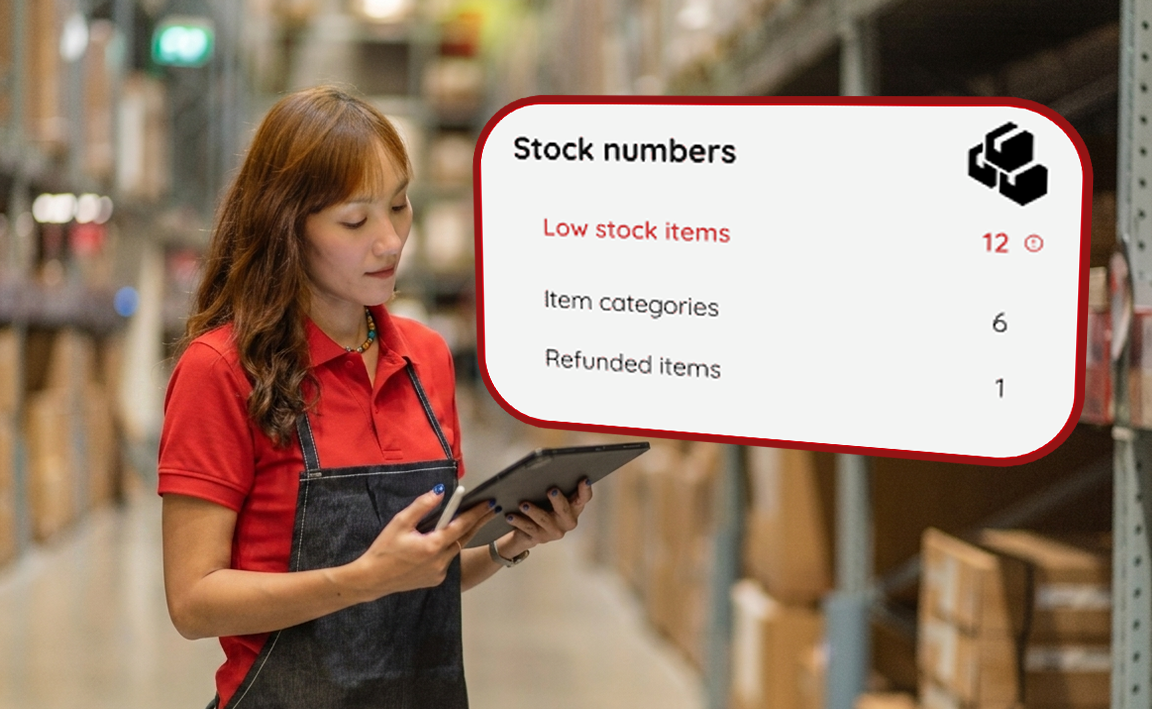
Managing multiple sales channels and courier partners becomes significantly easier when the fulfillment layer connecting them is centralized and visible. The goal isn’t to force every business into one courier or one delivery model. It’s to ensure there’s enough control and visibility across inventory, order processing, warehouse operations, courier handover, and returns.
Integrated fulfillment reduces manual coordination, improves inventory accuracy, supports order traceability, and maintains flexibility with preferred last-mile partners.
If your business is already managing multiple sales channels, growing order volume, and different courier arrangements, it may be time to review whether your current fulfillment setup still supports operations efficiently. Ninja Fulfillment by Ninja Van can help centralize warehousing, inventory management, and fulfillment visibility while supporting flexible courier handover based on your operational needs.