
Types of Same-Day Delivery in the Philippines and Where Scheduled SDD Fits In

.webp)
Key Takeaways
- Same-day delivery splits into two structurally different models: on-demand, booked per parcel with no commitment, and scheduled, pre-arranged with a minimum volume and cutoff.
- On-demand SDD suits irregular or urgent shipping needs with no minimum volume required.
- Scheduled SDD suits businesses with consistent daily volume that want a repeatable, non-app-based same-day option.
- Ninja Van's same-day delivery through Ninja Dash is a scheduled, volume-based service, not an on-demand platform, and requires onboarding.
- Current figures for Ninja Dash's cutoff time, minimum volume, maximum parcel weight, and coverage area should all be confirmed directly with Ninja Van before onboarding, since these details are still subject to change.
Same-day delivery has turned into something Philippine online shoppers expect as standard, not a bonus. But not every service that promises "delivered today" works the same way behind the scenes, and mixing up the two main models is where a lot of businesses get their planning wrong.
Some same-day delivery services work like a ridesharing app. You book one parcel, a rider gets assigned, and pickup happens within the hour. Others are built as structured logistics arrangements, designed around businesses that ship a consistent volume every single day, not just the occasional urgent parcel.
This article breaks down the main types of same-day delivery and where Ninja Van's scheduled SDD, delivered through Ninja Dash, actually fits in.
What Are the Different Types of Same-Day Delivery?
Same-day delivery simply describes any delivery completed on the same calendar day an order is placed. That definition sounds simple, but the way providers actually execute it varies a lot, and that variation is exactly what determines whether a service fits your business or not.
Broadly, same-day delivery in the Philippines splits into two models: on-demand SDD and scheduled SDD. Each is built for a different kind of shipping volume and a different kind of operational setup, and neither is inherently "better" than the other.
On-Demand Same-Day Delivery
A single parcel gets booked through an app or platform, usually at any point during operating hours, with pickup happening within minutes to an hour of the request. No advance commitment, no minimum volume, and no onboarding process stand between you and a booking. Pricing is calculated per parcel, right at the moment you book.
If your same-day shipping needs are unpredictable and low in volume, this is usually the model that fits. An individual seller sending one or two urgent parcels a week doesn't need a scheduled arrangement.
Scheduled Same-Day Delivery
Scheduled SDD works differently from the ground up. Businesses go through an onboarding process before the service even goes live, and they commit to a minimum daily parcel volume as part of that arrangement. Parcels need to be submitted before a designated cutoff to qualify for same-day dispatch, and the whole thing runs on a defined schedule instead of reacting to one-off requests as they come in. Pricing is negotiated as part of onboarding, not calculated per booking.
If your business ships a consistent number of parcels every day and wants a repeatable same-day option, not just a one-off tool, scheduled SDD is the model built for that.
How On-Demand Same-Day Delivery Works
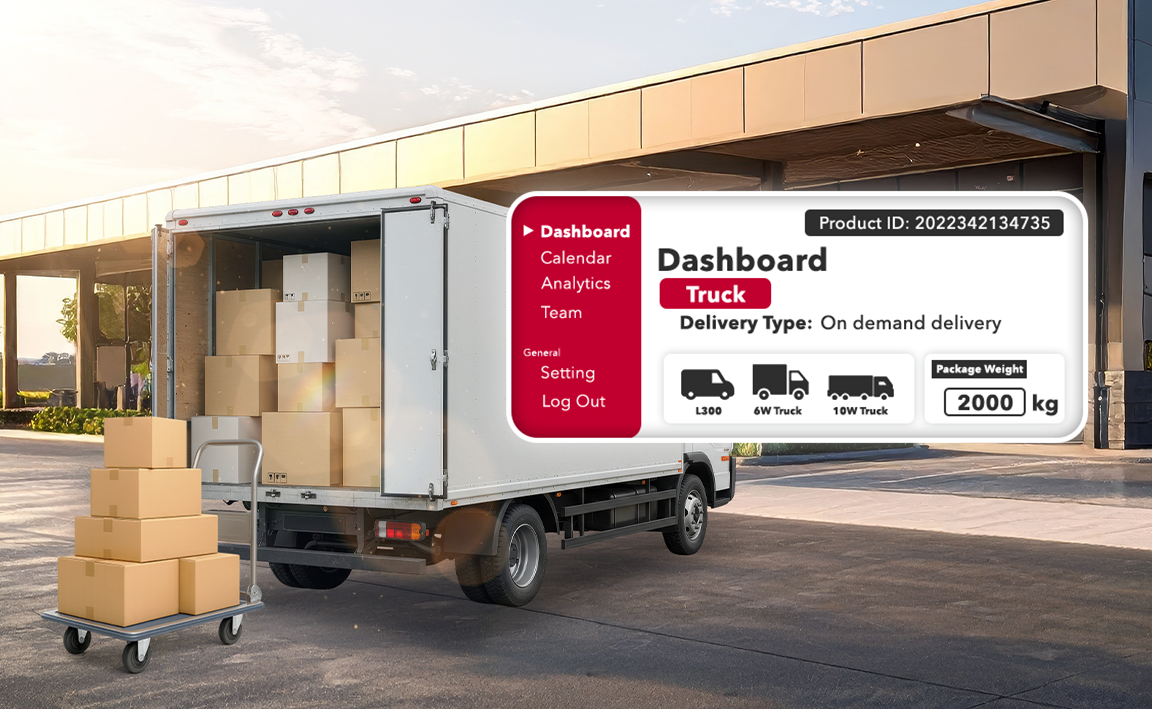
On-demand SDD runs a lot like booking a ride through a rideshare app. You open the platform, request a pickup, a courier gets assigned somewhere nearby, and your parcel gets collected and delivered, usually within the hour.
Strengths and Limitations
Flexibility is the clear strength here. No prior commitment, no minimum volume, and you can book at the exact moment you need it. That makes it genuinely useful for urgent or one-off deliveries.
The tradeoffs show up once volume increases. Per-parcel pricing tends to run higher than a negotiated rate, service consistency shifts with rider availability at any given moment, and the model simply wasn't built for a business moving dozens or hundreds of parcels a day. Booking each one individually at that scale turns into its own full-time job.
When It Works Best
On-demand SDD earns its keep when your same-day shipping needs are irregular, not routine. Sending a replacement item to a customer urgently, or getting a high-value order to someone nearby the same afternoon, are exactly the scenarios this model was built for.
It also suits individual sellers or very early-stage businesses that haven't built up a consistent daily shipping baseline yet. If you're not sure what your daily parcel count even looks like, you're probably not ready for a scheduled arrangement no matter how appealing the pricing looks.
How Scheduled Same-Day Delivery Works
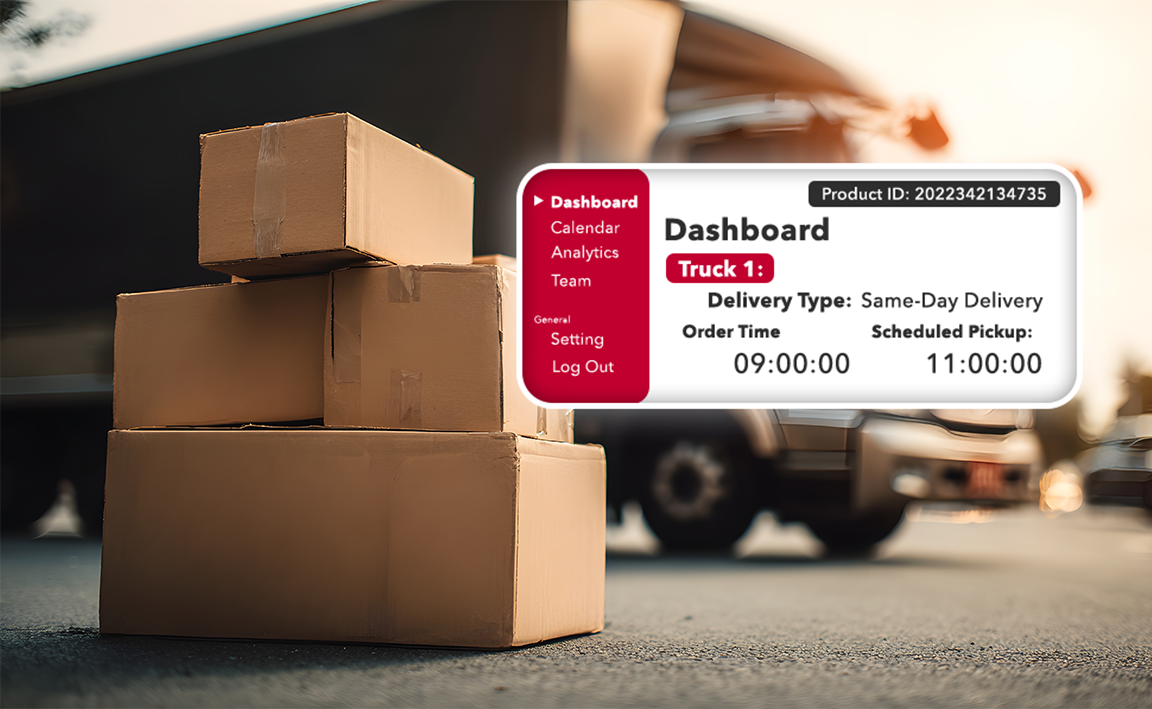
Scheduled SDD is built for businesses shipping a consistent daily volume that want a repeatable, reliable same-day dispatch option, not something they book parcel by parcel.
Instead of a per-parcel booking, businesses commit to a minimum volume upfront and get parcels ready before a cutoff the provider sets. Everything downstream, from courier allocation to route planning, runs against that batch, not against individual requests coming in throughout the day.
The Role of the Cutoff Time
The cutoff is the latest point at which you can submit parcels and still have them qualify for same-day dispatch. Miss it, and those parcels generally get pushed to the next business day instead.
A defined cutoff, once confirmed, gives a business a fixed point to plan packing and handover schedules around instead of guessing at when a courier might show up. According to Ninja Van's own published guidance on same-day delivery in the Philippines, cutoffs across the industry commonly fall at 11 AM, and the exact figure is set at each provider's discretion.
Onboarding and Minimum Volume Requirements
Scheduled SDD providers generally run new businesses through an onboarding process before the service goes live, and that's not a formality. Minimum volume requirements exist because the whole model depends on batched, predictable dispatch. Submit below the minimum on a given day, and your eligibility for that day's dispatch may be affected.
Confirm the minimum volume threshold, onboarding steps, and the specific conditions for keeping the service active before committing your operations to it. This is not the kind of detail worth assuming.
Key Differences Between On-Demand and Scheduled SDD
Understanding the structural gap between these two models helps you pick the right one, or realize your business actually needs both for different order types.
Factor: On-Demand SDD vs. Scheduled SDD
- Booking method — On-demand: per parcel, via app. Scheduled: pre-arranged; parcels batched before cutoff.
- Minimum volume — On-demand: none. Scheduled: required (confirm exact threshold with provider).
- Onboarding — On-demand: not required. Scheduled: required.
- Pricing — On-demand: per parcel, at time of booking. Scheduled: negotiated rate.
- Best for — On-demand: urgent or irregular shipments. Scheduled: consistent daily volume.
- Flexibility — On-demand: high. Scheduled: lower, requires advance preparation.
- Reliability at scale — On-demand: variable, tied to rider availability. Scheduled: built for consistent, repeatable dispatch.
The Asia-Pacific same-day delivery market is projected to grow from USD 45.24 billion in 2025 to USD 70.46 billion by 2031, a pace that's pulling more businesses, not just individual sellers, into treating same-day as a standing fulfillment channel instead of an occasional add-on. The Philippines is part of that trajectory too: the country's own courier, express, and parcel market is on track to grow from USD 1.33 billion in 2025 to USD 2.01 billion by 2031. That shift is exactly where the on-demand versus scheduled distinction starts to matter operationally, not just semantically.
Who Should Use Scheduled SDD
Scheduled SDD suits businesses shipping a consistent daily volume within a defined coverage area that want same-day delivery as a standard part of how they fulfill orders, not a tool reserved for exceptions.
Businesses That May Benefit
E-commerce sellers in Metro Manila whose daily volumes comfortably clear the minimum parcel threshold are well positioned for scheduled SDD. So are brands where same-day delivery is already a core promise to customers and needs a repeatable, non-app-based solution behind it, not a rider showing up whenever one's free.
Businesses currently relying on on-demand platforms for their regular day-to-day volume, and looking to move that volume into a more structured arrangement, often fall into this category too. A business paying on-demand, per-parcel rates for what is actually a predictable, repeatable shipping pattern is usually a strong candidate for a scheduled arrangement, since the cost logic behind on-demand pricing works against businesses once volume becomes routine instead of occasional.
Businesses That May Not Be the Right Fit Yet
Businesses with very low or unpredictable daily volumes that can't consistently clear the minimum aren't a good match for scheduled SDD at this stage. Forcing a scheduled commitment onto an inconsistent shipping pattern usually costs more than it saves.
Operations outside Metro Manila should confirm current coverage directly with Ninja Van, since SDD coverage can evolve as the service expands. And businesses that need fully flexible, ad-hoc same-day dispatch without any advance commitment are generally better served sticking with an on-demand option.
How Ninja Dash Supports Businesses with Scheduled SDD
Ninja Van's same-day delivery, delivered through Ninja Dash, is a scheduled service built for businesses shipping a consistent daily volume. It is not an on-demand delivery option you book parcel by parcel whenever you need it. Businesses need to be onboarded, meet the minimum volume, and have parcels ready ahead of the cutoff for that day's dispatch to go through.
Based on current internal guidance from Ninja Van:
- Cutoff time: 11:00 AM.
- Minimum volume: currently set at 50 parcels a day.
- Maximum parcel weight: currently 5 kg per parcel.
- Coverage: Metro Manila only at this stage.
#NinjaTip: Same-day delivery through Ninja Dash works best once your daily parcel volume is consistent enough to plan around. Reach out to the Ninja Van team to confirm current onboarding requirements, volume thresholds, and coverage before locking in a schedule.
Getting same-day delivery to work as a standing part of your fulfillment strategy, not an occasional favor from a rider, starts with knowing which model your order volume actually calls for. If your daily volume looks ready for scheduled SDD, reach out to the Ninja Van team to confirm eligibility and get onboarding started.
FAQs on Same-Day Delivery
Is Ninja Van's same-day delivery an on-demand service?
No. Ninja Dash SDD is a scheduled service, not on-demand. Businesses need to complete onboarding, commit to a minimum daily volume, and submit parcels before the cutoff. It doesn't work as a per-parcel, ad-hoc booking service the way GrabExpress or Lalamove do.
What is the minimum volume required for Ninja Van's SDD?
The current minimum sits at 50 parcels a day, though this figure is subject to confirmation. Verify the current threshold directly with Ninja Van before starting onboarding, since minimum volume requirements can shift.
What is the cutoff time for same-day delivery?
Ninja Van's cutoff time for Ninja Dash is currently under review and not yet finalized. Confirm the final cutoff directly with Ninja Van before communicating it to customers or planning packing and handover schedules around it.
What areas does Ninja Van's same-day delivery cover?
As of this writing, Ninja Van's same-day delivery through Ninja Dash covers Metro Manila only, though this is subject to confirmation with Ninja Van. If your operations have specific zone requirements or sit near the edge of NCR, confirm exact coverage with Ninja Van directly.
What is the maximum parcel weight for same-day delivery?
The current maximum is 5 kg per parcel, and heavier parcels aren't eligible under this service. Confirm full weight and dimension requirements with Ninja Van before onboarding, particularly if your typical parcels run close to that limit.
How is scheduled SDD different from using an on-demand delivery app?
On-demand apps let you book individual parcels with no prior commitment, at a per-parcel rate. Scheduled SDD asks for advance onboarding, a consistent daily volume, and submission before a cutoff, and in exchange gives you a more reliable, repeatable same-day dispatch built for scale, not one-off requests.