
How Warehousing and Fulfillment Work Together to Support Your Business

.webp)
Key Takeaways
- Warehousing is storage; fulfillment is the full order-to-dispatch process. One directly affects the speed and accuracy of the other.
- A disorganized warehouse creates delays and errors that show up later in the fulfillment process, even when the courier side is efficient.
- Integrating both functions under one provider means shared real-time inventory data, fewer vendor relationships to manage, and simpler returns handling.
- Weigh location, technology, platform integrations, and handling capabilities when comparing fulfillment warehouses, not just storage rates.
- Ninja Fulfillment combines warehousing and order fulfillment under one operation.
Many Philippine businesses treat warehousing and fulfillment as two separate line items on a budget sheet. One vendor holds the stock, another picks and packs it, and a courier moves it from there. On paper, this looks like a simple division of labor. In practice, the two functions are far more connected than that split suggests.
A poorly organized storage setup doesn't stay contained to the warehouse. It shows up later as a slower pick time, a wrong item in a parcel, or a delayed handover to the courier, even if the shipping partner is doing everything right on their end. If your order volumes are climbing across Shopee, Lazada, TikTok Shop, or your own site, the gap between "where the stock sits" and "how fast the order gets there" is usually where the real cost is hiding.
The Philippines' e-commerce market is expected to grow from USD 17.65 billion in 2025 to USD 20.05 billion in 2026 and is forecast to reach USD 37.95 billion by 2031 at 13.61% CAGR over 2026-2031, which also flags logistics and last-mile delivery as persistent friction points for growing sellers. Warehousing and fulfillment sit right at the center of that friction.
This article looks at how warehousing and fulfillment work together, what to weigh when setting up either function, and how an integrated provider can cut down the back-and-forth between systems.
What Is Warehousing?
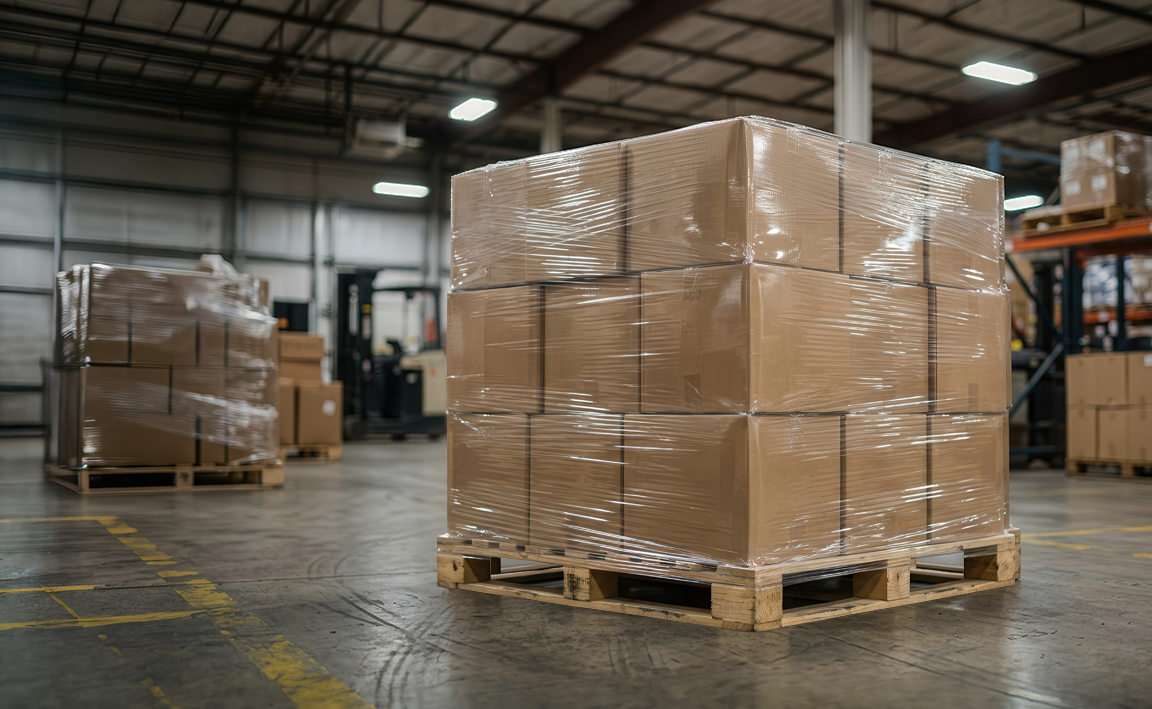
Warehousing refers to the physical storage of goods before they're sold, distributed, or shipped out. It covers the period between when stock arrives from a supplier or manufacturer and when it leaves again as part of a customer order.
At a basic level, warehousing involves receiving stock, organizing it inside a dedicated facility, and keeping inventory records current enough that anyone checking them knows what's actually on the shelf. That last part sounds obvious until stock counts drift out of sync with what's physically there, which is a more common problem than most business owners expect once volumes climb.
Storage as a Business Function
Warehousing isn't just renting shelf space and hoping for the best. It involves a receiving process for checking what comes in, an inventory management system for tracking where it's placed, and a physical layout that determines how fast someone can find and retrieve it later.
Some businesses manage their own warehouse in-house. Others store goods with a third-party provider instead. Which setup fits depends on order volume, product type, and how much operational capacity the business can spare on storage instead of growth.
The right configuration also depends on a handful of specifics: product dimensions, handling requirements, how fast stock turns over, and whether the goods need standard shelving or temperature-controlled storage. A skincare brand moving serums has different needs than an apparel seller moving folded shirts, even if their monthly order counts look identical on a spreadsheet.
Common Warehousing Challenges for Growing Businesses
Order volumes rarely grow in a straight line, and storage costs tend to follow that same unevenness. A business that scales up shelf space for a peak season and then can't scale it back down afterward is paying for capacity it no longer needs.
Stock accuracy gets harder to maintain once goods sit across multiple locations or arrive from more than one supplier. A count that's off by even a small margin can mean promising a customer an item that isn't actually there.
- Storage costs that swing with order volume, particularly around peak seasons
- Stock counts that drift out of sync across multiple storage locations or suppliers
- Warehouse space that doesn't match the business's location or product-handling needs
A facility that checks all three boxes, close enough to key delivery zones, suited to the product type, and priced sensibly for current volume, can be genuinely hard to find. That search is one of the more persistent pain points growing businesses run into.
What Is Fulfillment?
Fulfillment covers the end-to-end process of turning a placed order into a delivered parcel. It starts the moment inventory is received into the system and ends when a courier takes the packed order off the warehouse floor.
In practice, this means receiving stock, picking the correct items once an order comes through, packing them securely, generating a shipping label, and handing the parcel to a delivery partner. Each step depends on the one before it running cleanly.
The Fulfillment Process Step by Step
- Receiving means checking, counting, and logging inbound goods into the inventory system as they arrive, so the system reflects what's actually on hand.
- Storage is placing those products in designated locations within the warehouse, ideally organized in a way that makes high-turnover items easy to reach.
- Picking happens when an order comes in and the correct items get retrieved from their storage location.
- Packing covers preparing those items according to the order's requirements, whether that's standard packaging or a specific instruction tied to the sale.
- Shipping is labeling the packed order and handing it to the delivery partner for the next leg of the journey.
Fulfillment vs. Shipping
These two terms get used interchangeably more often than they should. Shipping refers strictly to the movement of a parcel from one point to another. Fulfillment covers everything that happens before that parcel is even dispatched, receiving, storage, picking, packing, and label generation.
If you're outsourcing fulfillment, you're handing over every pre-dispatch responsibility to the provider, not just the delivery leg. That distinction matters when comparing quotes, since a "fulfillment" quote and a "shipping" quote aren't pricing the same scope of work.
How Warehousing and Fulfillment Work Together
Warehousing and fulfillment aren't two separate services that happen to sit next to each other. They're interdependent, and the quality of the storage side directly shapes how fast and how accurately orders get processed on the other end.
A cluttered or poorly mapped warehouse leads to slower pick times, more mispicks, and delivery delays, even when the courier handling the last mile is fast and reliable. The Philippines freight and logistics market illustrates why providers are consolidating around this idea: Mordor Intelligence notes that operators combining warehouse management, sortation, and delivery on one software stack are capturing price premiums and higher asset turns, an edge that specialty couriers lacking warehousing capability struggle to match. The market itself is projected to grow from USD 15.26 billion in 2025 to USD 21.60 billion by 2031.
If your team is still troubleshooting "why did this order take three days to leave the warehouse," the answer is rarely the courier. It's almost always something upstream in storage or picking.
Why Integration Matters
A single provider managing both warehousing and fulfillment means inventory data updates in real time across both functions, instead of living in two separate systems that need reconciling. That alone cuts down the risk of stock discrepancies showing up mid-order.
A single point of coordination also means fewer vendor relationships to manage and less time spent cross-checking numbers between a warehouse partner's spreadsheet and a fulfillment partner's dashboard.
Return handling gets simpler too. Stock that comes back can be received, inspected, and either restocked or set aside for disposal inside the same facility, instead of shuttled between two providers before a decision gets made.
What Happens When They Are Managed Separately
Goods stored in one location and orders fulfilled from another create friction that doesn't always show up until volumes rise. Expect added handling costs, longer turnaround between "order placed" and "order picked," and a higher chance of inventory discrepancies slipping through unnoticed.
Inventory syncing is often where this friction starts. When a warehouse system and a fulfillment system don't update on the same schedule, stock levels can look accurate on paper while being wrong on the shelf, and that gap tends to surface as delayed order processing rather than an obvious error anyone catches early.
A separate warehouse provider and a separate fulfillment partner also need clear handoff steps agreed on both sides. Miss one, and the operational complexity compounds fast, especially during a sale event when order volume spikes unpredictably.
What to Look for When Choosing a Fulfillment Warehouse
Storage rates are the easy part to compare. The harder, more useful comparison is what each provider's systems, handling capabilities, and platform integrations actually look like once you're moving real order volume through them.
A provider quoting a lower per-pallet rate isn't necessarily the better deal if their inventory system runs on manual counts, or if they can't support the packaging your product needs.
Key Considerations
- Location close to your customers or main delivery zones cuts transit time and shipping cost.
- Technology matters at volume: barcode-driven picking and packing, plus real-time inventory dashboards, are what keep accuracy from slipping once daily orders climb.
- The provider should handle volume fluctuations gracefully, particularly during peak seasons or promotional periods where daily order counts can multiply overnight.
- Confirm platform integration if you're selling across Shopee, Lazada, TikTok Shop, or a proprietary website, since not every warehouse partner's system connects to every marketplace.
- Fragile items, promotional bundling, or custom packing needs should be confirmed directly with the provider before signing anything.
Questions to Ask Before Signing Up
Before committing to a provider, it helps to ask a short, specific set of questions instead of relying on a sales deck:
- What inventory management system do you use, and can we access it in real time?
- How are inbound goods received and inspected once they arrive at your facility?
- What's the process for handling order discrepancies, damaged stock, or returns?
- Are there minimum volume requirements or onboarding conditions we should know about upfront?
#NinjaTip: Ask a prospective provider to walk through what happens to a single returned item, from the moment it arrives back at the warehouse to the moment it's either restocked or written off. The answer tells you more about how organized their operation actually is than any rate card will.
How Ninja Fulfillment Supports Your Warehousing and Fulfillment Needs
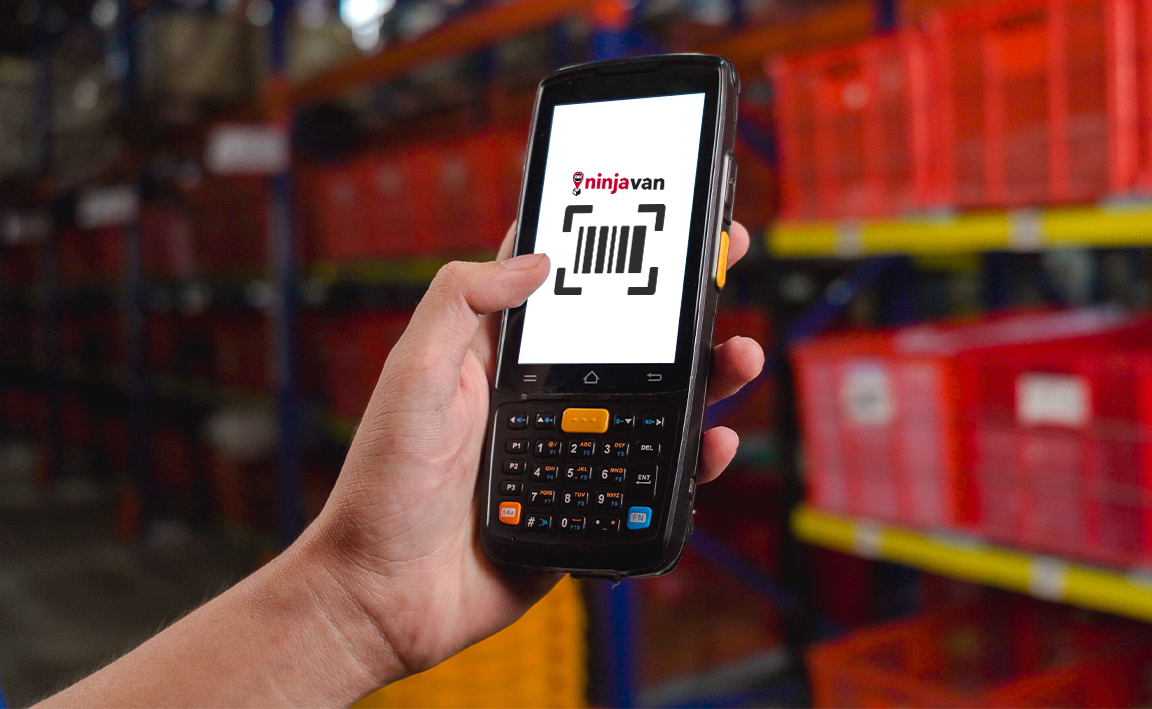
Ninja Fulfillment provides integrated warehousing and order fulfillment services for businesses across the Philippines, covering storage, picking, packing, and order dispatch under one operation. The service runs on barcode-driven checkpoints at each stage of the process, with CCTV monitoring at packing stations to support order accuracy and give both sides a clear record if a dispute ever needs reviewing.
Combining storage and fulfillment under one operation can cut the coordination overhead that comes with running separate vendors, but the details, storage capacity, platform integrations, and onboarding requirements, are worth confirming for your specific setup. Talk to the Ninja Van team to see if Ninja Fulfillment fits your order flow, or get in touch to discuss your account if you're ready to explore onboarding.
FAQs on Warehousing and Fulfillment
What is the difference between warehousing and fulfillment?
Warehousing refers to the physical storage of goods before they're sold or shipped, while fulfillment covers the full process from receiving an order to dispatching it. Well-managed warehousing directly supports faster, more accurate fulfillment, since a disorganized storage setup slows down every step that follows it.
Do I need a fulfillment warehouse if I already have my own storage?
It depends on your order volume and operational capacity. If you're processing high daily volumes, managing a steady flow of returns, or selling across multiple platforms, a fulfillment warehouse with integrated systems may reduce overhead compared to running everything in-house.
Can Ninja Fulfillment store products that require special handling?
Storage options depend on the specific product type and handling requirements involved. Some categories need standard shelving, while others call for temperature control or extra care during packing, such as fragile items or promotional bundles. Don't assume your product automatically fits a standard setup. Confirm directly with Ninja Van whether your specific product category and handling needs are supported before onboarding, since coverage can vary by facility and product type.
What platforms does Ninja Fulfillment integrate with?
Ninja Fulfillment's system currently supports direct integration with Shopee, Shopify, Lazada, WooCommerce, eBay, Zilingo, and Zalora. TikTok Shop isn't listed among the confirmed integrations at this time, so sellers on that platform should check directly with the Ninja Van team on current support and any workaround before committing. The same goes for a proprietary website outside these platforms, since custom integrations generally need a technical assessment first.