
What Is Logistics Lead Time? A Guide for Philippine Businesses

.webp)
Key Takeaways
- Logistics lead time applies to fulfillment, pickup, delivery, replenishment, interisland movement, and B2B restocking, not just courier transit.
- Businesses should track lead time types separately to identify where delays actually occur.
- In the Philippines, lead time can vary by region, so Metro Manila, provincial, and interisland routes should be planned separately.
- The basic formula is: Lead Time = Completion Date or Time minus Start Date or Time.
- Reducing lead time is about removing avoidable delays and building predictable processes, not only making delivery faster.
- Ninja Van solutions can support lead time management depending on confirmed service scope, including fulfillment, last-mile delivery, and B2B restocking workflows.
Your orders may already be packed, but customers still complain that delivery is slow. Your stock may already be ordered, but it arrives too late for a campaign. Delays can happen anywhere between inventory, packing, pickup, delivery, and replenishment.
That is why logistics lead time matters. It helps businesses understand how long each logistics stage takes, where delays happen, and how to manage fulfillment, delivery, and stock movement more consistently.
This guide explains what logistics lead time means, why it matters, how to calculate it, and how businesses can reduce avoidable delays.
What Is Logistics Lead Time?
Logistics lead time is the total time it takes to complete a logistics process from the starting point to the endpoint. This may include order processing, warehouse picking and packing, dispatch preparation, courier pickup, last-mile delivery, supplier replenishment, interisland shipping, or B2B restocking.
Each stage has its own lead time. A delay in one stage can push back the full timeline.
For example, if an order is received on Monday morning but only packed on Tuesday, picked up by the courier on Wednesday, and delivered on Friday, the customer sees the full timeline as one delivery experience. But from a business operations perspective, that timeline includes multiple lead time components: fulfillment, pickup waiting time, delivery, and completion.
This is why logistics lead time is not the same as delivery time.
Delivery time usually refers to the time between courier handover and successful delivery. Logistics lead time is broader. It includes the operational steps before and sometimes after delivery, depending on what your business is measuring.
Why Does Logistics Lead Time Matter?
Logistics lead time matters because it affects both customer experience and internal planning. When lead time is predictable, your business can plan stock, campaigns, delivery promises, and replenishment more accurately. When it is not, the result may be late orders, stockouts, poor reviews, and extra operational pressure.
Customer Expectations and Satisfaction
For customers, a delay still feels like a delay even if the issue happened before courier pickup. They may not separate warehouse processing from delivery time. This is especially important for ecommerce brands, where delivery estimates, tracking updates, and repeat purchase decisions are closely connected.
Inventory Planning and Stockouts
Lead time also affects inventory planning. If replenishment takes longer than expected, products may go out of stock before new inventory arrives. This can affect campaign periods, payday sales, product launches, and peak seasons.
B2B and Retail Partner Relationships
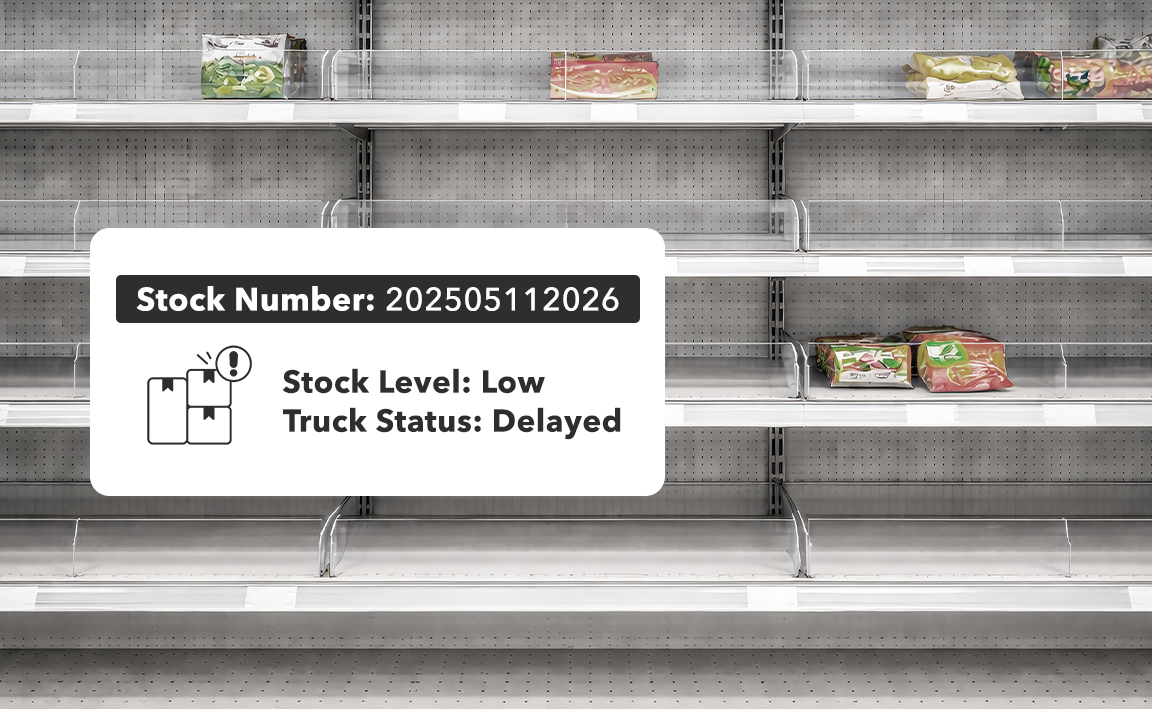
For B2B businesses, distributors, and brands supplying stores or retail partners, lead time affects product availability across the network. Delays can lead to empty shelves, incomplete orders, or branch locations running out of stock during important sales periods.
The Philippines Context
In the Philippines, logistics lead time may also vary by location and route. Metro Manila deliveries may face congestion, while provincial and interisland routes may involve longer distances, hub processing, or additional transport coordination. This is why businesses should track lead time by region instead of relying on one average estimate.
What Are the Common Types of Logistics Lead Time?
Not all lead time is the same. Different parts of your logistics workflow need to be measured separately so your team can identify where delays are actually happening.
Order Lead Time
Order lead time refers to the time from when a customer places an order to when the order is delivered or completed.
This is the full customer-facing timeline. It may include order confirmation, payment processing, warehouse picking, packing, courier pickup, delivery, and completion.
For ecommerce businesses, order lead time is one of the most important metrics because it reflects the total waiting time from the customer's perspective.
Fulfillment Lead Time
Fulfillment lead time is the time from when an order is received to when it is picked, packed, checked, and ready for courier handover. It is especially important for businesses with many SKUs, product variants, bundles, fragile items, or branded packaging.
For beauty brands managing high-SKU catalogs, fulfillment lead time is especially sensitive to picking accuracy and packing requirements.
Delivery Lead Time
Delivery lead time refers to the time from courier handover to successful delivery.
This is only one part of full order lead time. A parcel can have a short delivery lead time but still feel late to the customer if it sat in the warehouse for too long before pickup.
Replenishment Lead Time
Replenishment lead time refers to the time from when stock is requested or ordered to when it is received into inventory and ready to sell or distribute.
This is important for preventing stockouts, especially for fast-moving products, campaign items, and products with long supplier timelines.
Interisland Lead Time
Interisland lead time refers to the time needed to move goods between islands or regions.
For Philippine businesses, this is an important consideration because deliveries and stock movement may involve Luzon, Visayas, Mindanao, and other island routes. Interisland movement can require additional planning because the timeline may depend on hub processing, transport schedules, route coverage, and regional delivery conditions.
Businesses that serve customers or partners outside their main fulfillment area should plan interisland lead time separately from local delivery lead time.
B2B Restocking Lead Time
B2B restocking lead time refers to the time needed to move goods from a warehouse to a store, distributor, retail partner, franchise location, branch, or another warehouse.
This is important for businesses that sell through physical channels or supply multiple locations. Unlike individual ecommerce parcels, B2B restocking may involve larger shipment sizes, multiple drop-off points, specific receiving windows, and coordination with partner locations.
How Do You Calculate Logistics Lead Time?
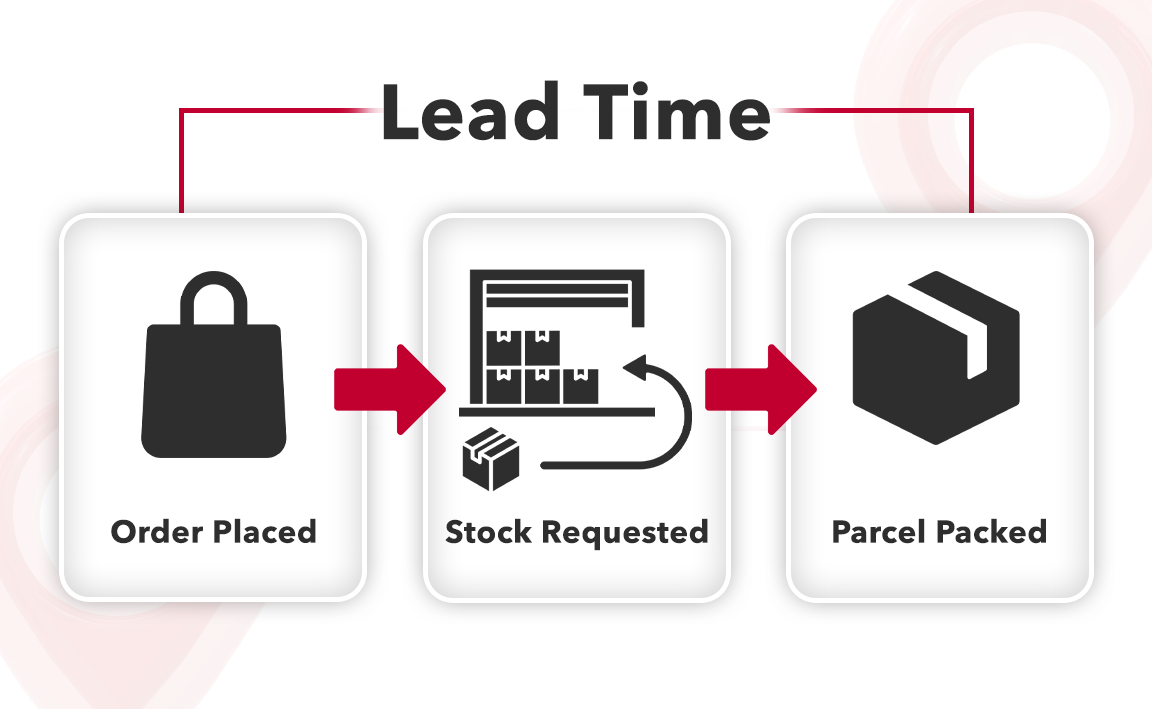
The basic formula is:
Lead Time = Completion Date or Time minus Start Date or Time
The start and completion points depend on the process you are measuring. For example:
- Order placed Monday at 9AM and delivered Thursday at 3PM = 3 days and 6 hours order lead time.
- Stock requested June 1 and received June 8 = 7 days replenishment lead time.
- Parcel packed at 10AM and picked up by courier at 5PM = 7 hours pickup waiting time.
To make the data useful, track lead time by stage instead of relying only on one total number. Key stages may include fulfillment lead time, pickup waiting time, delivery lead time, replenishment lead time, interisland transfer lead time, B2B restocking lead time, and failed delivery resolution time.
This helps your team identify whether the delay is happening before courier handover, during delivery, or during stock movement.
How Can Businesses Reduce Logistics Lead Time?
Reducing logistics lead time is not always about rushing delivery. In many cases, it is about removing avoidable delays, improving coordination, and making each stage of the workflow more predictable.
Sync Inventory Across Sales Channels
Start by syncing inventory across sales channels such as Shopee, Lazada, TikTok Shop, Shopify, WooCommerce, social commerce, and physical stores. When stock data is not aligned, teams may accept orders for unavailable items or spend extra time checking stock manually.
Prepare Before Campaigns
Before major campaigns, prepare stock, packing materials, manpower, bundle requirements, courier pickup schedules, and dispatch cut-off times. If these are only arranged after orders come in, fulfillment lead time can increase quickly.
Use Barcode-Driven Fulfillment Workflows
Barcode-driven workflows help reduce picking and packing errors. Fewer errors mean fewer repacks, fewer customer complaints, and fewer avoidable delays. This is especially useful for businesses with many SKUs, product variants, bundles, colors, sizes, or fragile items.
Standardize Packing Processes
Businesses should also standardize packing by product type, parcel size, fragility, campaign bundle, or branded packaging requirement. This helps teams work faster while keeping packing quality consistent.
Review Courier Pickup Timing
Courier pickup timing should be reviewed regularly. If parcels are packed early but collected late, adjusting pickup coordination may reduce the total lead time.
Review Lead Time by Region, Product Type, and Sales Channel
A single average lead time can hide important problems. Your business may perform well overall but still face delays in one region, one product category, one marketplace, or one warehouse.
Reviewing lead time by region, product type, and sales channel helps your team identify bottlenecks more accurately.
How Can Ninja Van Solutions Support Better Lead Time Management?
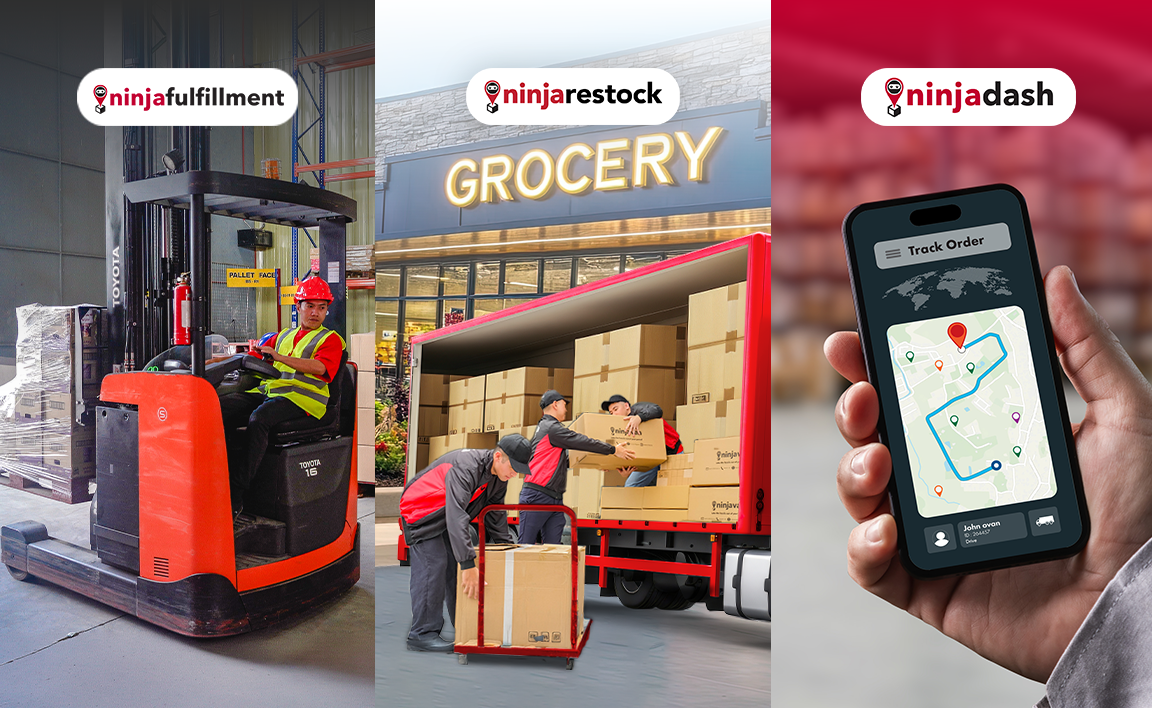
Better lead time management is not just about moving faster. It is about improving visibility across fulfillment, pickup, delivery, and replenishment, so your team can identify where delays happen and manage each stage more consistently. Depending on your service scope, Ninja Fulfillment, Ninja Dash, and Ninja Restock can support inventory syncing, pick-and-pack workflows, last-mile tracking, delivery coordination, B2B restocking, and warehouse-to-warehouse movement.
Need better visibility over your logistics lead time? Speak with Ninja Van to explore the right solution for your fulfillment, delivery, or replenishment needs.
FAQs about Logistics Lead Time
What is the difference between lead time and delivery time?
Delivery time usually refers to the time from courier handover to successful delivery. Lead time is broader. It may include order processing, warehouse picking, packing, pickup waiting time, delivery, replenishment, and other logistics stages.
How do you calculate logistics lead time?
The basic formula is: Lead Time = Completion Date or Time minus Start Date or Time. For example, if stock is requested on June 1 and received on June 8, the replenishment lead time is 7 days.
Why is logistics lead time important in ecommerce?
Logistics lead time affects customer expectations, order completion, marketplace performance, reviews, repeat purchases, campaign readiness, and stock availability. If lead time is unpredictable, customers may experience delays even when demand is strong.
Why does lead time vary across regions in the Philippines?
Lead time can vary because delivery conditions differ across Metro Manila, provincial areas, and interisland routes. Congestion, distance, route density, hub processing, address quality, and regional coverage can all affect the total timeline.