
How Does Card and Document Delivery Work for Banks and Agencies in the Philippines?

Key Takeaways
- Card and document delivery moves confidential items such as bank cards, statements of account, IDs, and corporate papers through a booked and tracked process.
- Ninja Van’s Card & Document Delivery service is built for banks, finance companies, government agencies, and other organizations that send sensitive items in volume.
- The Ninja Dash onboarding starts with sign-up, a consultation with a dedicated account manager, and a first pick-up, and card and document senders can ask whether their batches follow the same path.
- A batch moves smoothly when recipient data is checked, instructions are clear, and each item’s status is followed.
- Plan for undelivered items before a batch goes out, review them by cause afterwards, and agree attempts and return steps with the Ninja Van team
Card and document delivery moves confidential items such as bank cards, statements of account, IDs, and corporate papers from a sender to a named recipient through a booked and tracked process. Demand is large: the BSP Payments Bulletin reports about 94.1 million ATM debit cards and 15 million credit cards by the end of 2025, and each card has to reach a named cardholder.
Even as digital payments reached 57.4% of monthly retail payment volume in 2024 according to the BSP’s digital payments report, the cards behind many of those payments, along with statements and IDs, still travel as physical items. This article explains how the delivery process works, how senders prepare a batch, which challenges to plan for, and how to measure results.
How Card and Document Delivery Works
Card and document delivery is a dedicated service for sensitive items, designed for banks, finance companies, government agencies, and similar organizations.
From the sender’s side, a batch passes through five stages:
- batch booking and recipient details
- collection from the sender
- movement through the delivery network
- handover to the recipient
- exception handling, including any agreed return process
Each stage gives the sender a point to plan around. The sections below cover what can be sent, how booking and tracking work, and where senders can prepare, follow up, and plan for exceptions.
What Can Be Sent
Ninja Van’s Card & Document Delivery page lists what the service carries:
- confidential paperwork and letters
- corporate documents, IDs, and cards
- statements of account (SOA) and delivery receipts, with secure end-to-end return of these records
From Booking to Handover
Ninja Van’s parcel service, Ninja Dash, outlines a three-step start: sign up, connect with a dedicated account manager to discuss your delivery needs, and book your first pick-up, after which items are delivered door to door. Card and document senders can ask the team whether onboarding follows the same path.
Ninja Van’s article on secure document delivery describes loading manifest data into a central dashboard in bulk, so each item can be followed individually. Ask the Ninja Van team whether this applies to your card or document batches, and which collection and recipient checks fit your setup.
Layout suggestion: Show these three steps as a short step-by-step flow, matching the Getting Started layout on the Ninja Dash page.
Tracking and Delivery Receipts
Card and document deliveries are booked and tracked on a dashboard, so senders can see which items are delivered, in transit, or unsuccessful. Share that view with the teams that answer customer questions, so they work from the same information. Statements of account and delivery receipts can also be returned securely end to end. For how electronic proof of delivery supports audit and bidding requirements, see Ninja Van’s guide to compliance-ready last-mile delivery.
Preparing a Delivery Batch Before It Leaves
A little preparation before dispatch keeps a batch moving smoothly.
Checking Recipient Data First
Confirm addresses and contact numbers before dispatch. Check these points:
- full address, including unit, building, and barangay
- an active mobile number
- the recipient’s full name as it appears on any ID they may present
- access details for gated or controlled-entry locations
Booking Through the Ninja Dashboard
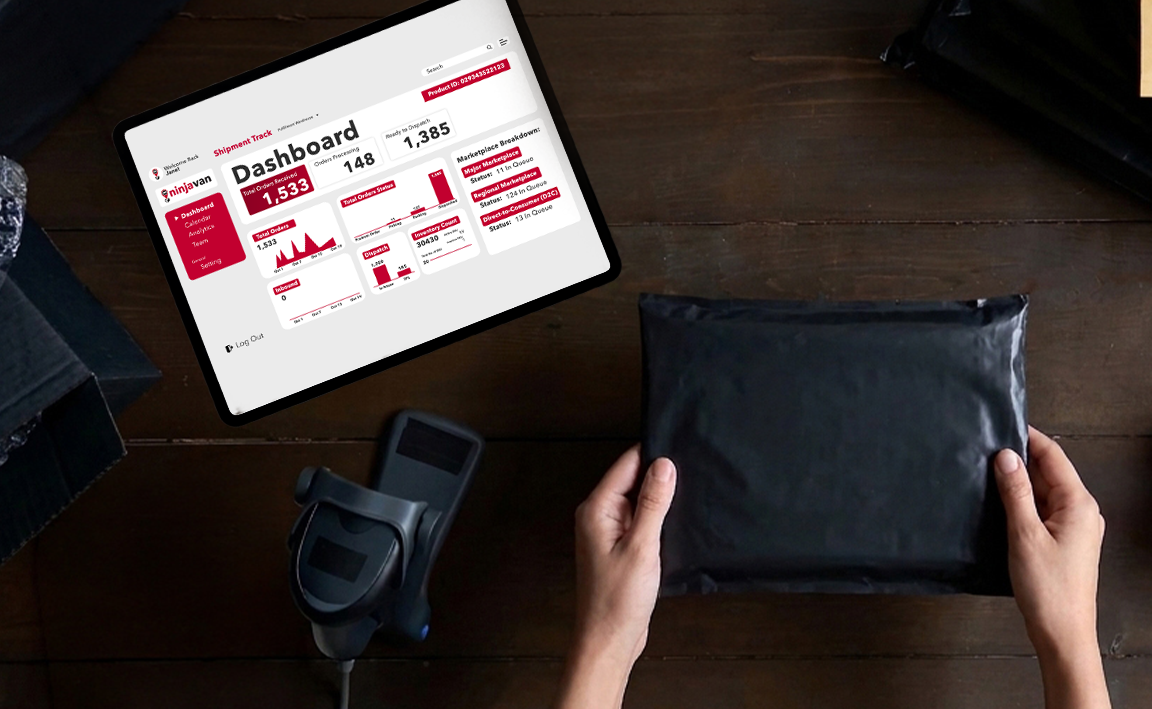
The Ninja Dashboard is where senders book and track deliveries. The booking steps for card and document batches, including whether batch or bulk booking applies, should be confirmed with the Ninja Van team during onboarding. The consultation with your account manager is a good place to raise batch size, expected volumes, and the format in which you plan to share recipient details, so the booking process fits how your team already works.
Giving Clear Delivery Instructions
Clear instructions help riders at the door. Useful details include who may receive the item and whether the recipient should show an ID, along with the access details from your data check. Confirm with the Ninja Van team which instructions can be submitted for each batch.
Common Challenges in Card and Document Delivery
A few predictable challenges affect any last-mile delivery of cards and documents. Early planning keeps batches on track.
Incomplete or Outdated Recipient Details
Old addresses, missing landmarks, and unreachable contact numbers can cause failed attempts in any last-mile delivery, and cards and documents are no exception. Details collected at account opening can be months or years old by the time an item ships, so a data review before the booking date saves effort later.
Recipient Availability at the Address
Items for named recipients cannot simply be left at the door, so timing and recipient availability need closer planning than for ordinary parcels. An additional contact may help coordination if the agreed procedure allows it. Keep in mind that a contact who can help the rider is not automatically authorized to receive the item, so confirm the rules for each item type.
Visibility While a Batch Is in Transit
Senders who can see where a batch stands can respond early, before customers call. Regular status checks on the dashboard turn surprises into small follow-ups. The table below sums up the three challenges and how to plan for each.
| Challenge | A planning response |
| Outdated details | Review recipient data before the booking date |
| Recipient not available | Agree clear instructions and, where allowed, an additional contact |
| Little visibility | Check batch status on the dashboard at set times |
If the same issue keeps appearing, fix it at the source, for example by refreshing recipient data or tightening instructions, before the next batch.
Planning for Items That Cannot Be Delivered
Plan for undelivered cards and documents before a batch goes out. The plan should cover these points:
- the timing of any second attempt
- how the recipient is contacted
- how the item returns to the sender
- who on your team follows up and records the outcome
A written plan means your team answers customer questions quickly and consistently.
Ninja Van’s article on secure document delivery recommends a strict return process and says returns can be reduced through better address checks and recipient coordination. The number of attempts, return steps, and timelines are agreed with the Ninja Van team for each arrangement.
#NinjaTip: Keep a simple log of every undelivered item and its cause. After a few batches, the log shows which fixes, such as data updates or clearer instructions, reduce returns the most.
Measuring and Improving Delivery Success Over Time
Track a few numbers for every batch, alongside the status of individual items.
| Metric | How to calculate it |
| First-attempt delivery rate | Items delivered on the first attempt, divided by items dispatched |
| Undelivered rate | Items still undelivered after all agreed attempts, divided by items dispatched |
| Time from dispatch to delivery | Days from pick-up to delivery for each item, averaged across the batch |
Review undelivered items by cause, including address data and recipient availability, and use the findings to prepare the next batch. A short review after each batch, kept in the same format every time, makes trends visible and shows whether changes to data checks or instructions are working.
How Ninja Van’s Card and Document Delivery Supports High-Volume Senders
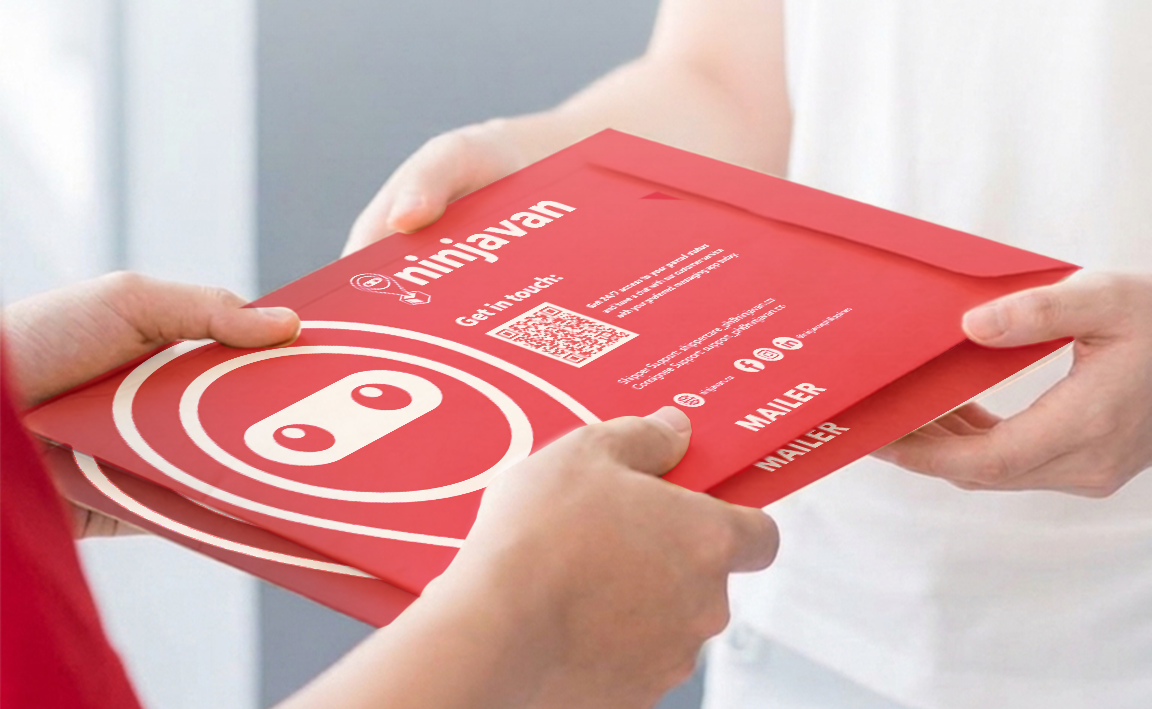
Ninja Van’s Card & Document Delivery is built for banks, finance companies, and government agencies that send sensitive items in volume, with booking and tracking on one dashboard. Ninja Dash, Ninja Van’s parcel service, also delivers cards, documents, and mailer products. Teams that already use Ninja Dash for parcels can ask the Ninja Van team how card and document batches fit into the same account, and how pick-ups are scheduled for each type of shipment. Clean recipient data, clear instructions, regular status checks, and an agreed return plan keep each batch on track, and the Ninja Van team can help you plan each one.
Request a quote from Ninja Van to plan your next batch with the team.
Frequently Asked Questions on Card and Document Delivery
What can be sent through Ninja Van’s Card & Document Delivery service?
Ninja Van’s Card & Document Delivery service carries confidential paperwork and letters, corporate documents, IDs, cards, statements of account, and delivery receipts. Confirm with the Ninja Van team whether a specific document type or packaging requirement applies to your batch before you book it.
How can banks and agencies track card and document deliveries?
Card and document deliveries are booked and tracked on a dashboard, so senders can follow each item’s status. Ask the Ninja Van team how batch tracking and status views are set up for card and document deliveries during onboarding, so your team knows what to expect.
What can a sender do to prepare a smooth delivery batch?
Check recipient addresses and contact numbers, give clear delivery instructions, and follow each item’s status after dispatch. Confirm the booking steps and any batch options for card and document deliveries with the Ninja Van team during onboarding.
What happens to a card or document that cannot be delivered?
Senders should agree a secure return process with Ninja Van, and confirm the steps, recipient checks, and timelines for their arrangement.