
Optimizing Last-Mile Delivery for Cost and Performance

.webp)
Last-mile delivery is the final stage of the logistics process, where parcels move from a distribution hub to the customer’s doorstep. In the Philippines’ rapidly growing sectors, this stage plays a critical role in shaping the overall delivery experience.
For businesses, however, the last mile is also the most operationally complex and expensive part of the fulfillment journey. Traffic congestion, delivery density, failed delivery attempts, and geographic challenges can all affect delivery speed and cost.
Logistics providers such as Ninja Van play an important role in helping businesses manage these challenges by providing delivery networks, technology tools, and operational expertise. Ninja Van’s solutions support a wide range of industries, including both B2C courier solutions and non-e-commerce businesses, ensuring seamless deliveries across diverse sectors.
Businesses that understand how last-mile delivery works can make better decisions about logistics strategy, cost management, and customer service. Improving last-mile operations helps companies deliver parcels more efficiently while maintaining a reliable customer experience.
Understanding the Cost Structure of Last-Mile Delivery
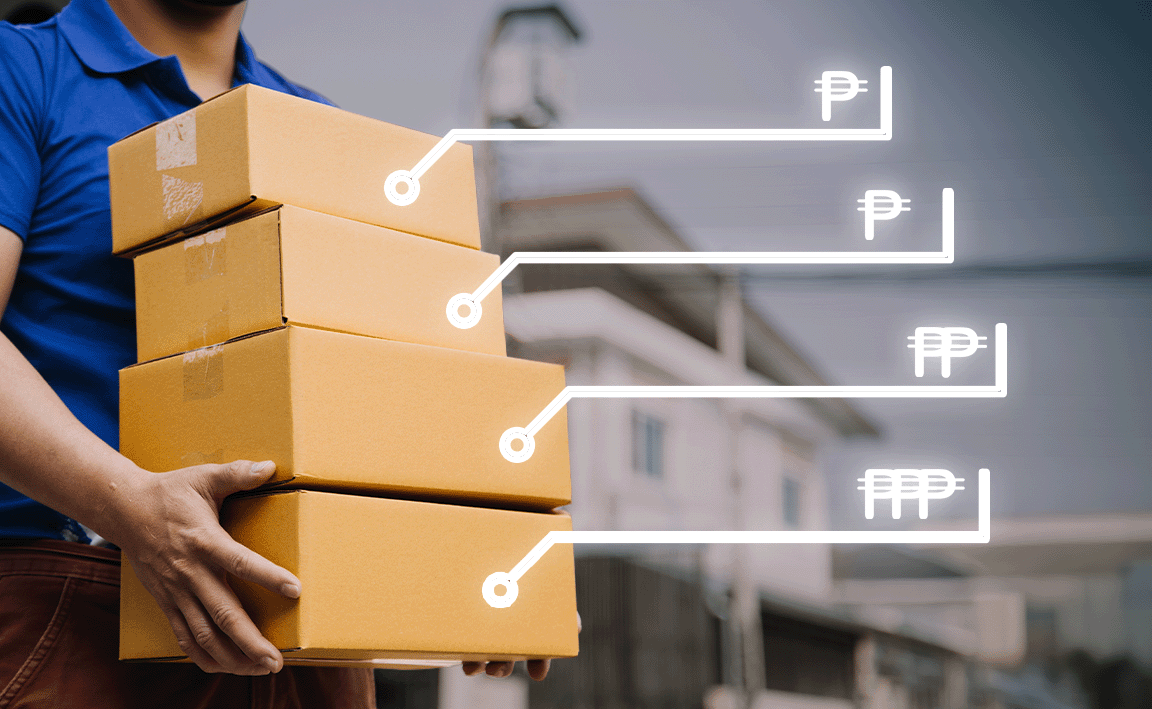
Because the last mile involves transporting parcels individually to customers, it often carries higher operational costs compared with earlier stages of the logistics process.
Several factors contribute to the overall cost of last-mile delivery:
- Transportation and fuel costs associated with delivery fleets
- Driver labor costs for individual parcel handling
- Type of product (e.g., FMCG, corporate packages/collaterals, cards, and documents)
- Failed delivery attempts that require repeat trips
- Low delivery density in certain locations
Unlike bulk transportation between warehouses or cities, last-mile delivery requires more time and resources per parcel. As a result, logistics providers must carefully manage routes, schedules, and delivery networks to maintain efficiency.
For many businesses, including B2C businesses and non-e-commerce sectors, working with an established logistics provider can help reduce these operational challenges. By leveraging an existing logistics network and delivery infrastructure, businesses can focus on scaling their operations while maintaining consistent delivery performance.
Last-Mile Delivery Challenges in the Philippines
Last-mile delivery in the Philippines comes with unique challenges. The country’s geography, traffic conditions, and urban density all affect how parcels move through delivery networks.
Traffic congestion in major cities such as Metro Manila, Cebu, and Davao often slows down delivery routes. This reduces the number of stops drivers can complete in a single trip and increases delivery timelines.
The Philippines’ archipelagic geography also adds complexity. Parcels may need to travel between islands before reaching their final destination, which requires coordination between sorting hubs, transport partners, and local delivery teams.
Address accuracy heavily affects delivery performance across both urban and rural areas. Incomplete addresses or limited location markers lead directly to failed delivery attempts. Research indicates that failed first-time deliveries cost retailers an average of $17.20 per order, which is approximately ₱963.20. Operational costs multiply rapidly every time a driver fails to locate the correct recipient.
To manage these challenges, many businesses, both B2C and non-e-commerce, work with logistics providers that operate nationwide delivery networks. A well-coordinated logistics network allows parcels to move more smoothly from fulfillment centers to local delivery routes, improving delivery reliability and customer satisfaction.
Why Last-Mile Economics Matter More Than Delivery Speed
Speed is important in e-commerce, but it does not always guarantee sustainable logistics operations. Delivering parcels faster often requires additional vehicles, drivers, or routing adjustments, which can increase operational expenses.
Instead of focusing solely on speed, businesses increasingly evaluate last-mile delivery based on a combination of performance indicators, including:
- Delivery success rate
- Route efficiency
- Parcel volume per route
- Cost per delivery
- Customer satisfaction
Balancing these factors allows businesses to build delivery systems that remain both efficient and scalable.
Logistics providers like Ninja Van Philippines often rely on operational data and delivery insights to improve delivery efficiency and optimize routes.
These insights help businesses maintain reliable delivery performance while managing increasing parcel volumes.
Strategies to Optimize Last-Mile Delivery Operations
Improving last-mile delivery performance usually requires a combination of operational improvements and smarter logistics planning.
Several practical strategies can help businesses reduce inefficiencies and streamline parcel distribution.
Improving Route Planning
Efficient route planning allows delivery drivers to complete more deliveries within a shorter time frame. Logistics providers often rely on route optimization systems that calculate the most efficient delivery sequence based on traffic conditions, parcel locations, and delivery priorities.
Increasing Delivery Density
Delivering more parcels within the same geographic area reduces travel time between stops. This improves overall delivery productivity and lowers the cost per parcel.
Advanced logistics models now utilize co-loading to serve low-volume retail formats like convenience stores. Ninja Van Philippines recently partnered with Universal Robina Corporation (URC) to utilize the Ninja Restock service for efficient regional distribution. You can co-load products with other shipments and pay only for the exact space needed. Shippers no longer have to endure long wait times to fill a full truckload before dispatching goods. This approach helps fast-moving consumer goods companies stay agile and reduces overall transport costs.
Reducing Failed Delivery Attempts
Failed deliveries increase operational costs because parcels must be redelivered. Clear delivery instructions, accurate addresses, and flexible delivery scheduling can significantly improve delivery success rates.
Using Regional Distribution Hubs
Strategically located sorting hubs allow parcels to move closer to their final destinations before the last-mile stage begins. This reduces travel distances and enables faster dispatching to delivery drivers.
These strategies are commonly implemented by logistics providers managing large parcel volumes across multiple delivery routes.
The Role of Technology in Last-Mile Delivery Optimization
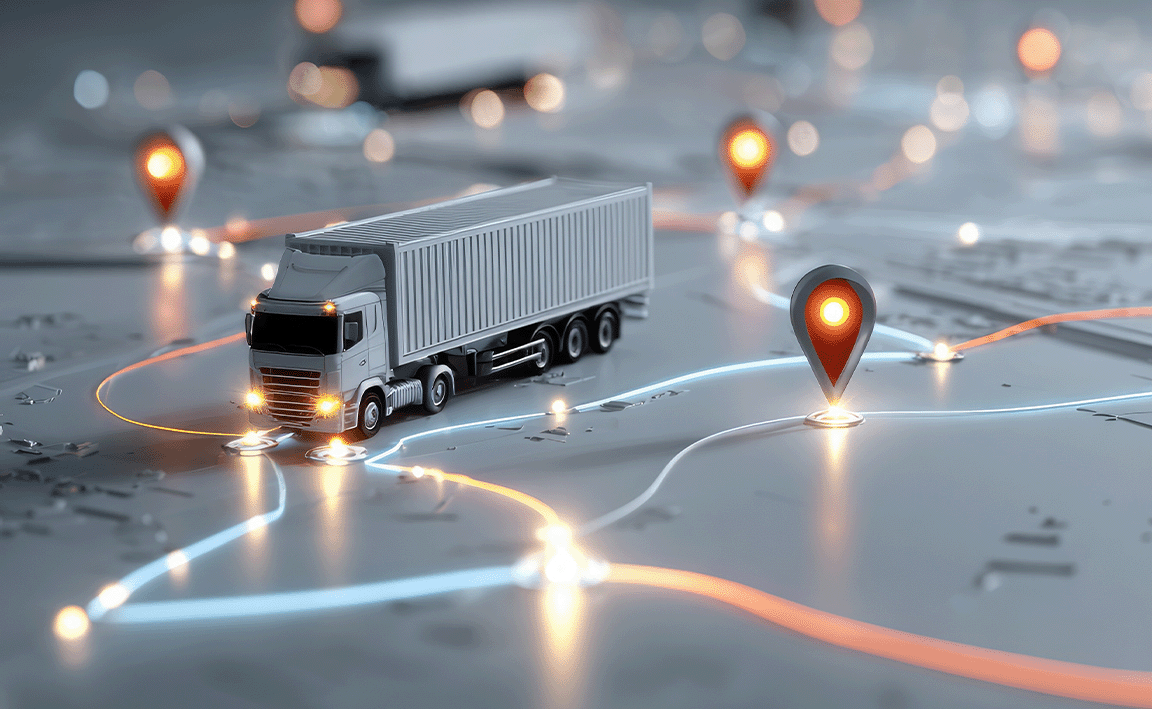
Technology has become a key driver in improving last-mile logistics efficiency. Modern logistics platforms use automation, route intelligence, and real-time data to improve delivery accuracy and operational visibility.
Some of the technologies commonly used in last-mile delivery include:
- API integration, which automates order creation and reduces manual touchpoints, streamlining the process
- Digitalized verification and ePOD (electronic Proof of Delivery) system, enhancing accuracy and accountability in the delivery process. Route optimization systems that automatically calculate efficient delivery paths
- Real-time parcel tracking that allows customers to monitor delivery progress
- Data analytics platforms that identify operational trends and delivery bottlenecks
- Automated delivery notifications that inform customers about parcel arrival times
These technologies help logistics providers improve operational efficiency while giving businesses and customers greater transparency into the delivery process.
Technology also improves communication between businesses, logistics providers, and customers. Real-time delivery updates allow customers to know when their parcels are expected to arrive, which helps reduce missed deliveries.
For businesses, these systems provide better visibility into shipment status, delivery timelines, and operational performance.
Choosing the Right Logistics Partner for Last-Mile Delivery
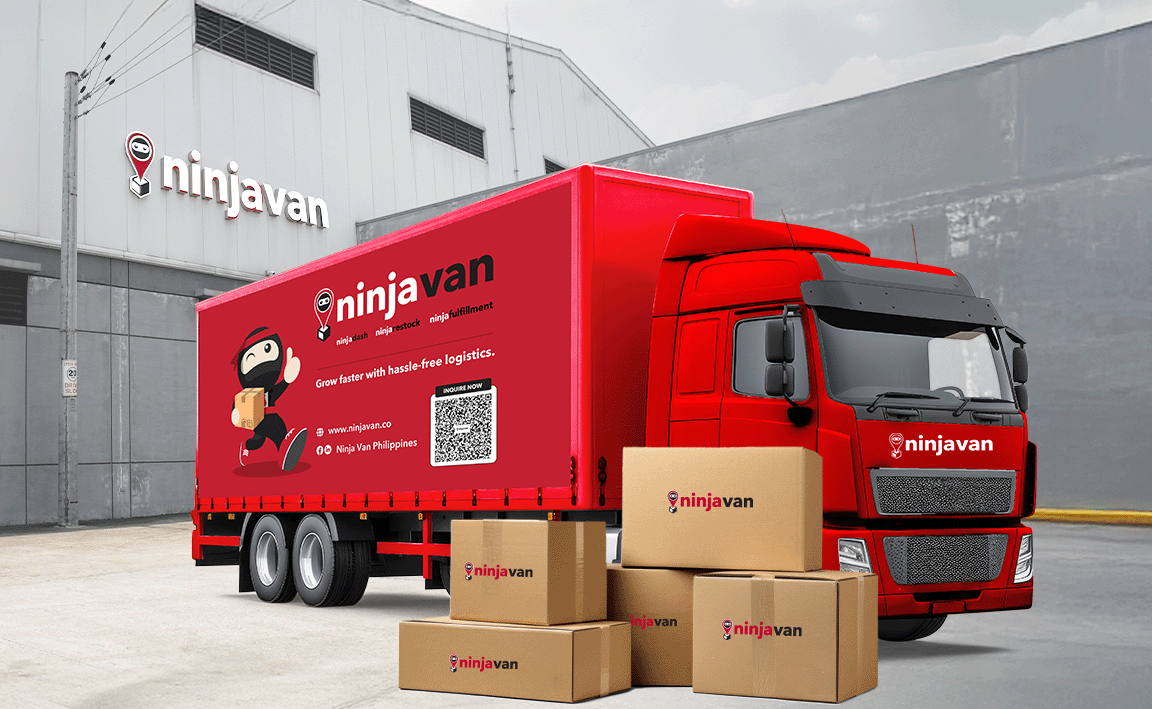
Even with strong internal operations, many businesses rely on third-party logistics providers to manage last-mile delivery. A reliable logistics partner can provide the infrastructure, delivery network, and operational expertise needed to support growing e-commerce demand.
When evaluating logistics providers, businesses typically consider factors such as:
- Nationwide delivery coverage
- Parcel tracking capabilities
- Delivery success rates
- Secure and safe transport
For businesses operating in the Philippines, working with an experienced logistics provider such as Ninja Van Philippines allows them to scale delivery operations while maintaining consistent service quality across different regions.
An established delivery network also helps businesses reach customers in both urban and provincial locations more efficiently.
Building a Sustainable Last-Mile Delivery Strategy
As businesses continue to expand across the Philippines, last-mile delivery will remain a critical part of the logistics ecosystem. Businesses need to balance delivery speed, operational efficiency, and customer satisfaction to stay competitive in an increasingly digital marketplace.
A sustainable last-mile strategy requires a combination of operational planning, technology adoption, and reliable logistics partnerships. Companies that invest in route optimization, delivery visibility, and scalable logistics infrastructure can better manage delivery costs while maintaining strong service levels.
For businesses, partnering with an experienced logistics provider like Ninja Dash offers nationwide delivery coverage, integrated logistics technology, and operational expertise designed to support growing demands across industries, both B2C and non-e-commerce.