
Logistics Trends 2026: Supply Chain Priorities in the Philippines

.webp)
Logistics operations in the Philippines are evolving rapidly, driven by growing customer expectations for faster fulfillment, accurate delivery timelines, and reliable service. Businesses across various industries must rethink how they operate their delivery networks to meet these expectations.
In this new era, traditional cost-per-parcel strategies are no longer enough. The future of logistics prioritizes speed, resilience, and operational visibility.
The Primary Logistics Trends Defining 2026

Several structural shifts are redefining how logistics networks operate across the Philippines. These trends are impacting businesses in various industries, highlighting the need for adaptive logistics strategies
The four major trends include:
- Predictive visibility powered by API and system integration
- On-demand and hyper-local delivery becoming standard customer expectations
- Regional fulfillment supported by distributed micro-fulfillment networks
- Reverse logistics evolving into a profit recovery strategy
Each of these developments is changing how companies design and manage their delivery operations.
1) Predictive Visibility and AI-Enabled Supply Chain Management
Logistics visibility has evolved beyond basic parcel tracking. Modern supply chains now use predictive systems to identify potential disruptions before they affect delivery performance.
Artificial intelligence plays a growing role in analysing operational data across fulfillment centres, transport networks, and last-mile routes. According to ABI Research, 64% of supply chain leaders prioritize artificial intelligence capabilities when evaluating new technology investments.
Integrated systems and real-time API connections between merchants and logistics providers enable continuous data exchange. This improves operational responsiveness and supports faster decision-making.
Common operational benefits include:
- Earlier detection of delivery disruptions
- Improved route optimisation
- Faster resolution of shipment exceptions
- Better coordination between fulfillment and delivery teams
2) On-Demand and Hyper-Local Delivery Expectations Continue To Rise
Customer behaviour has shifted significantly in recent years. Speed and convenience now outweigh shipping costs in many industries.
Logistics providers must maintain strong local fleet density and implement effective route optimization to meet demanding delivery windows.
This shift is critical for businesses across all sectors, as failure to meet these expectations could result in lost customers or damaged reputations.
3) Regional Fulfilment and Micro-fulfillment Networks
The limitations of centralized fulfillment, particularly in Metro Manila, have led businesses to adopt regional fulfillment strategies. By distributing inventory across multiple locations and utilizing micro-fulfillment hubs closer to customers, businesses can reduce transit times and cut logistics costs.
These networks also provide operational resilience during peak seasons or weather-related disruptions, benefiting businesses managing inventory, products, or equipment across various industries.
Industry forecasts further support this shift. According to Nexdigm, the Philippine logistics market is expected to grow at a compound annual rate of approximately 6% through 2030.
4) Reverse Logistics as a Profit Recovery Tool
Product returns represent a growing operational challenge for e-commerce businesses. Efficient reverse logistics processes are now essential for maintaining profitability.
Global research indicates that e-commerce return rates may reach 17% of total retail sales. Without structured processes, returns can quickly erode margins through additional handling, transportation, and inventory losses.
Modern reverse logistics strategies focus on faster processing and improved inventory recovery.
Key operational improvements include:
- Structured return portals for customers
- Faster product inspection and reinventory
- Data analysis to identify fulfillment errors
- Process improvements that reduce future return rates
When managed effectively, reverse logistics can improve cost control while supporting better customer retention.
Localized Strategies to Bypass Philippine Infrastructure Hurdles

The Philippines presents unique logistics challenges due to its archipelagic geography and urban congestion. Businesses that rely on a single fulfillment node often face delays and operational risk.
Modern supply chains increasingly rely on network redundancy and multi-modal logistics planning. Working with logistics partners that operate established nationwide networks can help maintain consistent delivery performance.
Integrated fulfillment and delivery solutions also reduce operational bottlenecks and improve coordination across the entire supply chain.
Supply Chains are Shifting Toward Total Value Operational Models
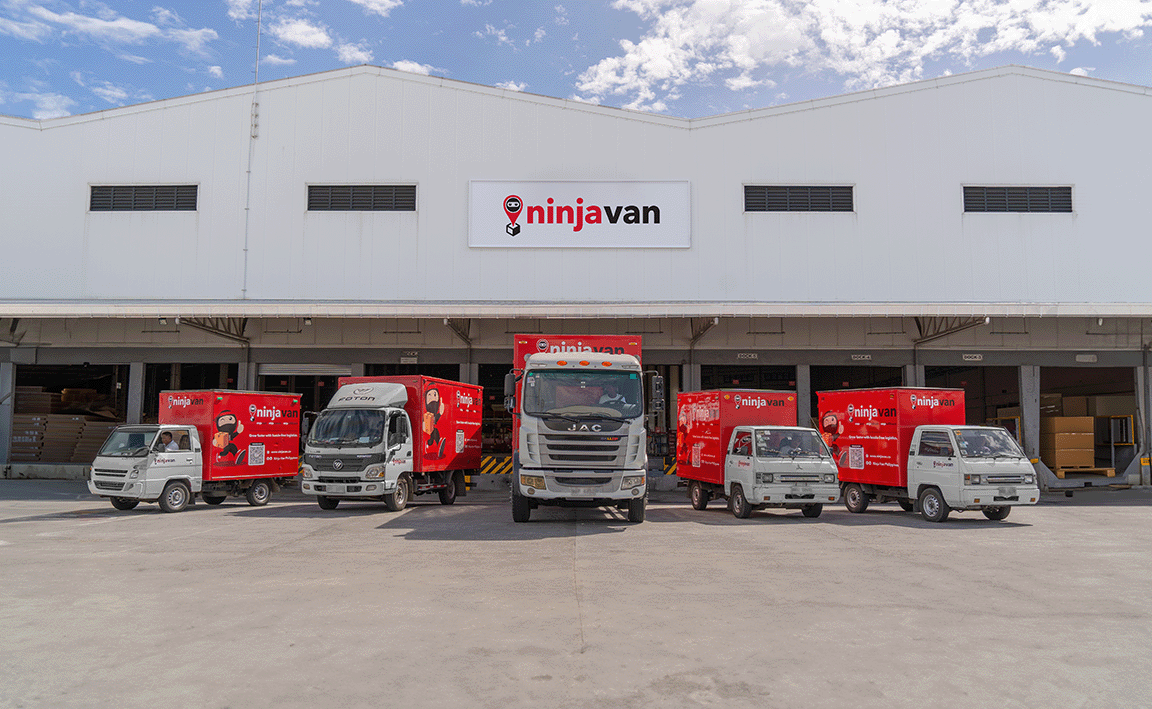
As logistics becomes increasingly complex, businesses across all industries must rethink their operations to meet modern demands. Integrating fulfillment, transportation, and last-mile delivery is key to maintaining service reliability. Scalable and flexible solutions are crucial for navigating evolving customer expectations.
Logistics providers such as Ninja Van Philippines support these evolving needs through integrated solutions designed for both e-commerce and business distribution. Services such as Ninja Fulfillment, Ninja Dash, and Ninja Restock help businesses manage inventory, deliveries, and regional replenishment within a unified logistics network.
As logistics strategies continue to evolve in 2026, businesses that invest in scalable delivery infrastructure and reliable logistics partnerships will be better positioned to adapt to changing market conditions and customer expectations.