
What Is Enterprise Last-Mile Delivery? Key Challenges for Large-Scale Businesses in the Philippines

.webp)
Key Takeaways
- Enterprise last-mile delivery is a structured setup for businesses managing large-volume, recurring, or operationally complex deliveries.
- Large-scale delivery is more complex because of multi-location dispatch, multiple sales channels, varied delivery zones, high parcel volume, and failed delivery visibility needs.
- Core challenges in the Philippines include operating cost pressure, urban congestion, provincial routing complexity, localized zone-level conditions, and return-to-sender visibility gaps.
- Enterprise last-mile delivery differs from standard courier in pickup coordination, system integration, operational support, and performance reporting.
- Shipment volume matters, but enterprise delivery is also an operational decision. Businesses should assess pickup consistency, visibility needs, manual workload, and delivery performance requirements alongside parcel counts.
- Before choosing a provider, confirm the exact service scope, especially around integrations, proof of delivery, routing support, failed delivery visibility, and reporting.
Managing last-mile delivery at enterprise scale is different from sending occasional parcel batches. When your business ships large volumes of orders regularly across multiple locations, sales channels, and delivery zones, delivery becomes a daily operational function, not just a courier booking task.
The pain points are also more complex. At this scale, manual booking, delayed pickups, unclear tracking updates, failed delivery follow-ups, and limited visibility can quickly affect customer experience and operational cost.
This guide explains what enterprise last-mile delivery means, why it is more complex for large-scale businesses in the Philippines, and what to look for in a delivery partner.
What Is Enterprise Last-Mile Delivery?
Before examining what sets enterprise delivery apart, it helps to be clear on what last-mile delivery means at its core and where the enterprise dimension begins.
Enterprise last-mile delivery is a structured delivery setup for businesses managing large, recurring, or operationally complex parcel movement. It covers the final stage of delivery, where parcels move from a hub, warehouse, store, fulfillment center, or sorting facility to the end customer.
Unlike standard courier booking, enterprise last-mile delivery may involve scheduled pickups, high-volume parcel movement, multi-location dispatch, platform integrations, automated shipment creation, waybill generation, delivery tracking, failed delivery visibility, and performance reporting. The exact service scope depends on the provider, so businesses should confirm the available features before onboarding.
What Makes Last-Mile Delivery More Complex at Enterprise Scale?
At enterprise scale, the challenge is not only sending more parcels. It is managing higher volume, more dispatch points, multiple sales channels, and different delivery conditions at the same time.
Manual workflows become harder to manage because teams may need to create shipments, download waybills, check parcel status, and follow up on delivery issues across many orders. Multi-location dispatch also requires visibility over which location holds the stock, which orders are ready, and which shipments are delayed or unresolved.
In the Philippines, routing adds another layer of complexity. Metro Manila routes may face congestion, while provincial and interisland deliveries may involve longer distances, lower delivery density, and different local address conditions. Enterprise delivery works best when orders, tracking, and delivery updates can flow through one structured workflow instead of being managed separately by channel or location.
Core Challenges for Enterprise Last-Mile Operations in the Philippines
Enterprise delivery challenges are not future risks — they are operational realities that large-scale businesses in the Philippines already deal with. These are the five areas that most directly affect high-volume shippers.
Rising Fuel and Operating Costs
Fuel, vehicle use, manpower, failed delivery attempts, and return trips all affect last-mile delivery cost. At enterprise scale, small inefficiencies multiply quickly across your total shipment count.
Poor route planning that increases travel distance, low delivery density that reduces completed stops per trip, repeated failed deliveries that require return attempts, and unnecessary return-to-sender movements all contribute to a higher cost per successful delivery over time.
Addressing this requires delivery planning support around route optimization, better pickup coordination, load planning where applicable, and visibility into delivery performance by zone — so that high-failure areas can be identified and acted on. The goal is not simply faster delivery. It is fewer wasted trips and a more manageable cost per completed order.
Urban Congestion and Delivery Delays
Metro Manila traffic and dense urban delivery zones can create daily last-mile delays. Congestion affects pickup timing, delivery windows, rider productivity, and customer expectations. When delivery timing becomes unpredictable, recipients may be unavailable, customer complaints may increase, and marketplace review scores may suffer.
For businesses shipping at scale, these delays affect more than individual parcels. They can affect entire dispatch batches and make it harder to meet the delivery promises your platforms or customers expect.
Provincial and regional deliveries present different challenges: longer travel distances, lower delivery density, access constraints in some areas, and interisland movement for customers outside Luzon. A delivery strategy that works well in Metro Manila may need adjustment for customers in Visayas or Mindanao.
Last-Mile Complexity at Scale
At enterprise volume, last-mile delivery may involve different delivery flows, vehicle types, hubs, handoff points, and service requirements. Your business may need to move customer parcels, corporate packages, documents, campaign kits, store materials, and other shipment types. Some require faster handling, others require stronger delivery records or more careful monitoring.
Without structured visibility, exceptions become harder to trace and resolve. Failed deliveries, missing updates, damaged parcels, delayed handoffs, and return-to-sender parcels can create significant extra workload for your operations and customer service teams. If your business is already working with multiple logistics providers, fragmented tracking and reporting make it harder to see your full delivery performance across all partners.
For more context, see Ninja Van’s guide on dealing with multiple last-mile 3PLs.
Localized Routing and Zone-Level Requirements
Delivery conditions differ by city, province, municipality, barangay, and address type. Some areas require more specific delivery instructions, different timing, or stronger local route familiarity. Addresses in some areas may be less standardized, which affects how quickly a rider can locate a recipient. Commercial districts in Metro Manila may have building access restrictions or delivery time windows.
One nationwide delivery approach applied uniformly does not produce consistent results across all these zones. Enterprise delivery requires routing support that accounts for local conditions, not just distance on a map so that delivery performance stays consistent across a diverse national customer base.
Failed Delivery and Return-to-Sender Visibility
At enterprise scale, failed deliveries are not isolated issues. They create extra delivery costs, customer service workload, inventory movement complexity, and trust problems with customers who received no update on what happened to their order.
Your team needs clearer visibility into why deliveries fail, which zones have recurring issues, which parcels are returning to sender, and how long unresolved deliveries take to close. Failed delivery visibility — including reason codes where available — helps your business identify patterns rather than chase individual cases. Repeated address issues in one area may indicate a checkout validation problem. High return-to-sender volume from a campaign may point to poor recipient availability or unclear delivery instructions.
How Enterprise Last-Mile Delivery Differs from Standard Courier
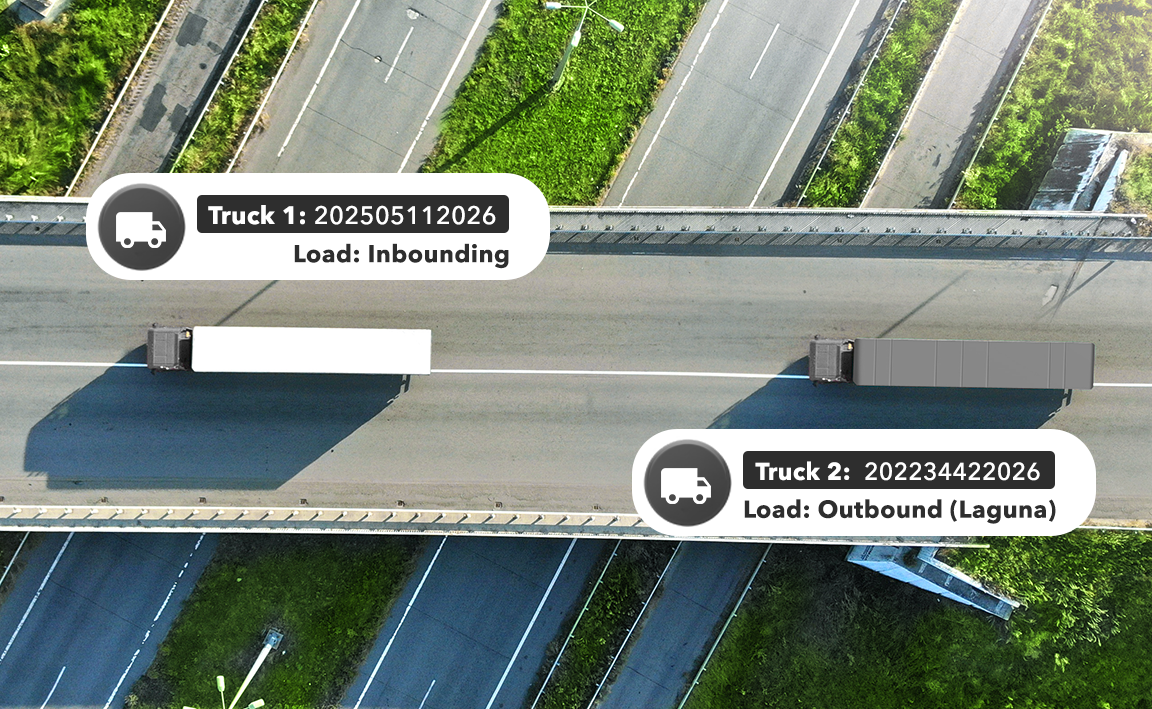
Standard courier services can still work well for lower-volume, flexible, or occasional shipments. But as delivery becomes more operationally critical, enterprise businesses usually need more structure, integration, and visibility than standard courier arrangements provide. Here is where the difference shows up.
Volume-Ready Pickup Scheduling
Standard courier arrangements often rely on manual booking, ad-hoc pickup requests, or basic batch arrangements with limited coordination around your specific dispatch cycles.
Enterprise last-mile delivery supports more structured pickup scheduling around your regular dispatch volume, campaign timelines, and multi-location needs. This matters because delayed pickups push back your entire fulfillment timeline. When your business ships regularly, pickup timing directly affects delivery promises, customer experience, and seller performance metrics.
Platform and System Integration
Standard courier setups typically require booking through an app, portal, spreadsheet, or manual upload. At enterprise volume, these manual steps become a recurring source of inefficiency and data-entry errors.
Enterprise last-mile delivery may support API or platform integrations for automated order creation, waybill generation, tracking sync, and shipment status updates. Connected to your order management or warehouse system, this removes the manual steps between an order being placed and a shipment being dispatched and keeps tracking data current without your team having to update it manually.
More Structured Operational Support
Standard courier support typically routes all requests through a general queue. At enterprise volume, response time through a shared queue can create delays that affect your customer service team's ability to address delivery issues promptly.
Enterprise delivery may provide clearer communication channels, escalation support, and more structured account coordination, depending on the provider and service arrangement. Before onboarding, confirm exactly what operational support is included. Do not assume that every enterprise delivery arrangement includes a dedicated account contact, guaranteed escalation timeline, or specific support level unless this is confirmed in writing.
Reporting and Delivery Visibility
Standard courier tracking focuses on individual parcel status where a specific parcel is in the delivery chain. For an enterprise operations team, this level of visibility is necessary but not sufficient.
Enterprise delivery reporting provides a layer above individual parcel tracking: delivery timeline trends, failed delivery patterns by zone, return-to-sender volume, and recurring operational issues your team can act on. This data is what allows your business to improve delivery planning, meet platform compliance requirements, and support customer service teams with accurate delivery information, rather than chasing individual parcel statuses manually.
What Features Should Businesses Look For in an Enterprise Delivery Partner?
Evaluating an enterprise delivery partner should go beyond per-parcel rates. The right partner should help your business improve coordination, visibility, and control across the delivery operation.
Key features to assess include:
- Pickup and dispatch support aligned with your shipping volume, dispatch cycles, campaign timelines, and multi-location setup.
- System integration and automation, including API or platform integration with ecommerce stores, marketplaces, order management systems, warehouse systems, or internal tools.
- Tracking and delivery visibility, including real-time tracking, customer delivery updates where available, digital proof of delivery where applicable, and dashboard access for shipment monitoring.
- Performance and exception management, including delivery reporting, failed delivery visibility, reason codes where available, return-to-sender tracking, and route optimization support.
- Multi-shipment-type support for parcels, documents, corporate packages, campaign kits, and other shipment types relevant to your operation.
Is Enterprise Last-Mile Delivery a Volume Decision or an Operational Decision?
Shipment volume is only one part of the decision. A business may need enterprise last-mile delivery because the operation has become more complex, even if not every shipment requires enterprise-level handling.
Before deciding whether a more structured delivery setup is right for your business, assess these questions:
- Are delayed pickups affecting your fulfillment timeline regularly?
- Is your team spending too much time on manual booking, waybill creation, and shipment status checks?
- Are delivery complaints affecting your seller ratings on Shopee, Lazada, or other platforms?
- Are you shipping from multiple locations without centralized delivery visibility?
- Are you receiving return-to-sender parcels without clear reason codes or tracking?
- Do you need delivery performance data for operations review, platform compliance, or internal reporting?
- Are your current delivery arrangements difficult to scale during campaign periods or peak seasons?
- Are you managing orders from multiple channels that still need to flow into one dispatch workflow?
If several of these apply, the case for enterprise delivery is about operational fit — not just volume. Some businesses use a mix: standard courier for lower-volume or flexible shipments, and enterprise delivery for large-volume, scheduled, or more complex flows. The right setup may also shift during campaign periods, seasonal peaks, and major marketplace sale events.
How Ninja Dash Supports High-Volume Businesses in the Philippines
For businesses evaluating enterprise delivery options, it is worth understanding what a structured delivery partner can offer and confirming the specific capabilities that apply to your operation before committing.
Ninja Dash can support businesses that manage regular, structured parcel movement at scale. For enterprise teams, the value is not only faster delivery. It is stronger visibility, shipment monitoring, platform integration, and delivery coordination.
As part of Ninja Van’s last-mile delivery offering for businesses, Ninja Dash may support dashboard-based shipment management, real-time tracking, API or platform integrations, automated shipment creation, waybill generation, shipment status syncing, delivery reporting, and different shipment types depending on service scope.
Ninja Van’s technology infrastructure is built to support real-time tracking and ecommerce API integration, helping businesses manage larger parcel counts with less manual intervention.
Need better visibility and control over high-volume deliveries? Speak with Ninja Van to explore how Ninja Dash can support your enterprise delivery operations in the Philippines.
FAQs about Last-mile Delivery for Enterprise
What is enterprise last-mile delivery?
Enterprise last-mile delivery is a structured delivery setup for businesses that manage regular, large-volume, or operationally complex parcel movement. It may include pickup coordination, system integrations, tracking visibility, delivery reporting, and failed delivery management. The exact scope varies by provider and should be confirmed before onboarding.
How is enterprise last-mile delivery different from standard courier?
Standard courier services typically focus on per-parcel booking and basic tracking. Enterprise last-mile delivery is designed around larger shipment volume, recurring dispatch needs, system integration, reporting, and operational visibility. It's a capability that becomes necessary when delivery is part of a business's daily operations rather than an occasional task.
What challenges do large-scale businesses face in last-mile delivery?
Common challenges include rising operating costs, urban congestion, large daily parcel volume, multi-location dispatch coordination, routing complexity across Philippine delivery zones, failed delivery visibility gaps, return-to-sender management, and the manual workload that comes with managing multiple channels and partners without a unified system.
Is enterprise last-mile delivery only for businesses with large shipment volume?
No. Shipment volume is important, but enterprise last-mile delivery is also an operational decision. A business may need a more structured setup because of multi-location dispatch, integration needs, reporting requirements, failed delivery volume, or complex routing even if their total parcel count is not yet at the highest scale.