
How Technology Is Powering Smarter Delivery for Filipino Businesses

.webp)
Logistics in the Philippines has many moving pieces. Traffic, tight urban zones, island routes, and thousands of SKUs shape day-to-day parcel activity. These conditions grow tougher as e-commerce keeps climbing.
The Philippine e-commerce sector is forecast to nearly double in value, growing from USD 17.65 billion in 2025 to USD 33.65 billion by 2030, based on Mordor Intelligence. This expansion demands more from delivery networks, requiring them to manage a rising volume of parcels with precision, careful handling, and reliable timelines.
Speed alone cannot solve these hurdles. Modern delivery work depends on tech systems that create cleaner labels, direct parcels more efficiently, sync orders across online platforms, and provide live tracking. These tools give sellers more control across each step of the delivery chain, helping them stay steady during payday spikes, sale campaigns, and seasonal surges.
This article looks at the tech used inside by delivery partners like Ninja Van Philippines, including scan-to-print automation, automated sorting, real-time tracking, and e-commerce API integration. Each system helps create smoother parcel flow for Filipino sellers and helps them handle higher order counts without adding heavy manual work.
Key Technological Innovations at Ninja Van PH
Ninja Van PH uses several tools that help make warehouse tasks quicker, sorting more precise, and parcel visibility clearer. These upgrades touch labeling, scanning, routing, and order syncing. Each one plays its part in shaping a smoother flow across hubs nationwide.
Below is a closer look at each system and how it helps sellers manage everyday delivery needs.
Scan-to-print technology

Scan-to-print is one of the notable automation upgrades inside Ninja Van PH hubs. Media sources such as UpgradeMag explain how this system helps tidy up warehouse tasks.
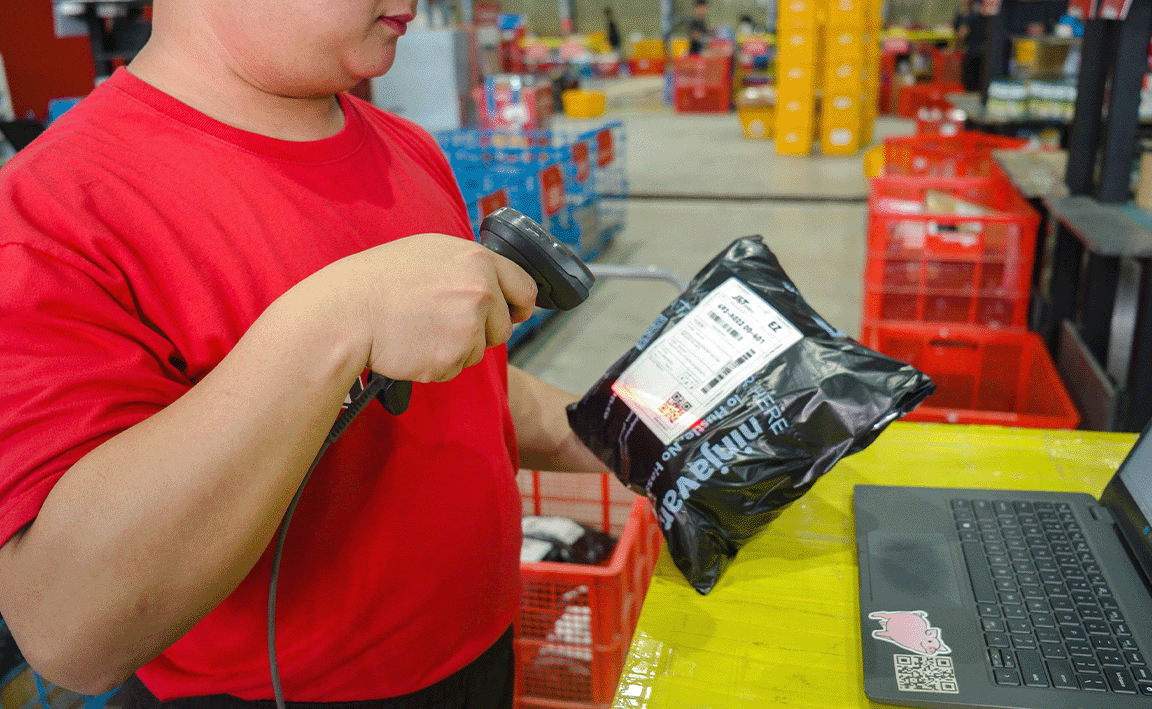
The process starts when staff scan the original barcode on a parcel or pouch. The system then prints a new smart label with a QR code carrying routing data used inside Ninja Van’s network. This fresh label replaces handwritten marks or unclear tags.
This switch leads to:
- fewer labeling errors
- faster parcel identification
- smoother routing inside hubs
- consistent label format for each parcel
Even minor label issues can slow down lines, especially during peak days. Scan-to-print helps maintain a steady pace inside warehouses by keeping labels clear and uniform.
To sellers, this may seem like a small adjustment, yet it plays a big part in cutting misroutes and processing slowdowns once parcel volumes rise.
Automated sorting system
Inside Ninja Van PH hubs, parcels are tracked and routed using QR or barcode scanning. Once scan-to-print labels are in place, parcel codes are scanned and directed to the correct dispatch lane. Sorting decisions consider the destination, hub load, and time of day, helping keep truck loading orderly.
This system brings:
- faster movement inside hubs
- tighter grouping for dispatch
- better truck-loading plans with less space
- help parcels moving efficiently through hubs toward last-mile delivery.
This becomes especially helpful during 11.11, 12.12, payday shopping cycles, and peak seasons, where parcel counts climb sharply.
Because sorting touches nearly every parcel, even a small time gain per item adds up to a more stable flow across the entire system.
Real-time tracking and parcel visibility
Ninja Van PH gives sellers access to live updates through its tracking dashboard. Sellers can see scan timestamps, movement across hubs, and delivery progress.
With this visibility, teams can:
- reply quickly to buyer inquiries
- map out stock movement
- monitor items with special handling needs
- cut down on doubt during busy cycles
Tracking data also helps sellers understand how their parcels move across regions. Over time, these patterns help teams plan promos, time restocks, and anticipate customer service volume.
Buyers see the benefit too. Real-time updates reduce guesswork and help align expectations.
E-commerce API integration
Ninja Van PH’s ecommerce API connects online stores such as Shopify and WooCommerce directly to the courier’s system.
Once linked, the API lets sellers:
- create orders automatically
- generate waybills quickly
- sync stock levels
- receive parcel updates inside their store backend
API syncing also reduces mistakes tied to manual copy-pasting, especially during campaign periods where teams often rush to keep up with order spikes.
How these technologies solve day-to-day business needs
These upgrades address real issues Filipino sellers deal with regularly. Below are some of the most common pressure points that these tools help lighten.
Reducing errors and manual tasks
Scan-to-print removes handwriting and manual relabeling. Automated sorting minimizes repeated handling. Together, they help parcels move with fewer disruptions.
Boosting speed and processing rhythm
Accurate labels and automated sorting shorten processing time. Delivery speed matters because insights by Opensend show that 98%+ of buyers link fast delivery with brand loyalty.
Faster upstream stages help last-mile activity stay predictable even when parcel counts spike.
Smarter space usage and cost control
When parcels are grouped cleanly and routed with better logic, trucks can carry more items with less wasted space. This keeps delivery cycles more cost-efficient.
Room for higher parcel volume
Ninja Van PH’s tools let the network handle small batches, daily restocks, and sudden spikes without breaking routine. Sellers facing viral orders or payday peaks gain stability through an adaptable system.
Better planning across the selling cycle
API-linked data and tracking records give sellers a clearer view of their order flow. This helps them plan stock, forecast demand, and prepare their support team during busy periods.
What this means for sellers in the Philippines
These systems give Filipino sellers more than basic delivery services. They gain a logistics partner with tools designed to help them grow.
The Philippine e-commerce sector continues to climb, with a growth rate near 17% between 2021 and 2025. This trend creates heavier demands on labeling, sorting, tracking, and routing. Ninja Van’s automation tools help lighten that load.
API integration gives sellers a smoother order flow. Scan-to-print and automated sorting help keep warehouse tasks steady. Real-time tracking improves parcel visibility for both sellers and buyers.
Together, these tools help reduce delays, lower repetitive work, and create a more predictable delivery rhythm nationwide.
Practical take-home lessons
- Review the tech inside your logistics partner. Stable delivery depends on more than speed.
- Ask for visibility features. Live tracking and scan data help you plan stock and campaign work.
- Use API tools to trim repetitive tasks and lower input errors.
- Plan ahead. Automation keeps your workflow steady even as parcel counts rise.
- Work with partners such as Ninja Van Philippines that use automation, tracking tools, and wide coverage to help brands handle daily volume and future growth.
Moving Forward with a Smarter Logistics Partner
The technology inside a delivery network is more than a background detail. It is the foundation that allows a business to scale. As order volumes grow, a partner with automated and transparent systems is the difference between a smooth operation and a stressful one.
For businesses looking beyond basic delivery, the next step is to see how these tech solutions can solve your specific challenges. This insight is crucial for any high-stakes activity such as managing daily e-commerce orders, preparing for a sales campaign, or streamlining B2B distribution.
Discover how Ninja Van Philippines' business solutions can support your operational goals and give you the stability to grow with confidence.