
Fulfillment Maturity Model: The 4 Stages of E-Commerce Logistics Evolution in the Philippines

.webp)
Fulfillment plays a major role in how well an e-commerce business can scale. As order volumes grow, logistics operations need to keep up by processing orders faster, expanding delivery coverage, and maintaining accurate inventory visibility.
In the Philippines, fulfillment comes with additional challenges. The country’s geography and differences in delivery infrastructure across regions can make nationwide operations more complicated. Businesses that rely only on basic courier arrangements often struggle to maintain consistent delivery performance outside major cities.
Because of this, e-commerce fulfillment does not evolve overnight. Most businesses move through several stages of operational maturity as their logistics systems develop. Each stage reflects a different level of warehouse capability, system integration, and delivery network coordination.
Understanding these stages helps businesses evaluate their current operations and identify what improvements are needed to support long-term growth. Companies planning to expand their online operations should also consider how their fulfillment strategy fits into a broader e-commerce scaling strategy.
Why Fulfillment Maturity Matters More Than Order Volume
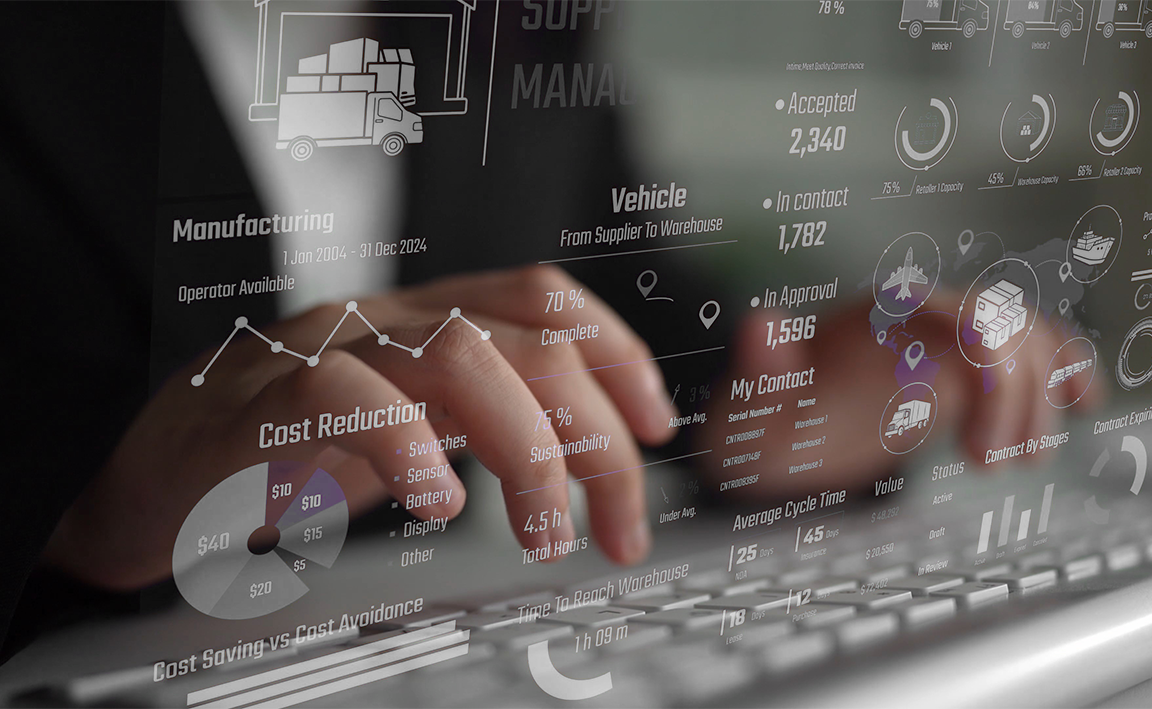
Fulfillment maturity refers to a business’s ability to process, store, and deliver orders efficiently as demand increases.
High order volume alone does not guarantee operational readiness. Marketing campaigns may drive strong sales, but without reliable fulfillment systems, logistics operations can quickly become overwhelmed.
When businesses scale too quickly without strengthening their supply chain infrastructure, operational issues often appear. Orders may be packed incorrectly, delivery timelines may become inconsistent, and customer satisfaction can decline even when sales continue to grow.
In the Philippines, the widespread use of cash-on-delivery also increases the cost of failed deliveries. When parcels cannot be delivered successfully, merchants must absorb the cost of return shipments and additional handling.
Businesses that scale without upgrading their logistics capabilities often encounter problems such as:
- Rising order error rates
- Delivery delays outside Metro Manila
- Inventory discrepancies across sales channels
- Increasing return-to-sender cases
- Customer dissatisfaction despite strong sales
Understanding fulfillment maturity helps businesses scale in a more sustainable way while protecting both operational efficiency and customer experience.
Stage 1: Manual and Reactive Fulfillment
Stage 1 represents the earliest stage of fulfillment maturity, where logistics operations are largely manual and reactive.
At this stage, sellers typically manage fulfillment themselves or rely on simple courier partnerships. Inventory is often tracked manually, and orders are processed using spreadsheets or basic tools.
Founders and small teams frequently pack orders themselves while coordinating shipments with courier services. This setup may work when daily order volumes are low, but it becomes harder to manage as demand grows.
Market projections illustrate why manual fulfillment eventually becomes unsustainable. According to GlobalData, the Philippine e-commerce market is expected to grow at a compound annual rate of 13.2% between 2024 and 2028 to reach PHP2.2t ($39.5b) in 2028.
Stage 1 fulfillment operations typically include:
- Manual inventory tracking through spreadsheets
- Individual courier bookings for each order
- Limited operational performance visibility
- A single storage or warehouse location
While these methods can support early-stage businesses, they often struggle during promotional campaigns or sudden spikes in demand.
Stage 2: Coordinated but Centralized Operations
As order volumes increase, businesses usually begin introducing more structure into their fulfillment operations.
Stage 2 marks the transition toward more coordinated logistics processes. Companies often adopt simple order management tools or marketplace integrations to improve order processing and tracking.
Picking and packing procedures become more standardized, and dedicated staff may begin managing daily fulfillment activities.
However, despite these improvements, fulfillment operations often remain centralized in a single warehouse location, typically in Metro Manila.
This centralized model can create challenges for nationwide delivery. Shipping products from Manila to regions such as Visayas or Mindanao often involves longer transit times and higher transportation costs.
As a result, customers in provincial areas may hesitate to place orders when delivery timelines are uncertain.
Stage 2 fulfillment operations often include:
- Basic order management systems or marketplace integrations
- Defined picking and packing workflows
- Improved shipment tracking visibility
- Continued reliance on a single fulfillment location
Operations may appear more organized at this stage, but scaling nationwide can still be difficult.
Stage 3: Multi Node and Regionally Optimized Fulfillment
To overcome the limitations of centralized logistics, many businesses eventually adopt distributed fulfillment networks.
Stage 3 introduces a multi-node fulfillment model where inventory is stored across several regional locations instead of a single warehouse.
By positioning inventory closer to demand centers across Luzon, Visayas, and Mindanao, businesses can shorten delivery distances and improve delivery timelines nationwide.
Regional fulfillment networks also help improve operational resilience. Weather disruptions, such as typhoons that affect inter-island transportation, can delay shipments when inventory is concentrated in one location. Distributing inventory across multiple hubs helps reduce this risk and ensures more consistent delivery performance.
The Department of Trade and Industry Philippines has also highlighted the impact of logistics costs on businesses. Logistics expenses can account for up to 27.16% of total operational costs, significantly higher than the global average of 11%. Regional fulfillment strategies help businesses manage these costs more effectively while maintaining reliable service across different regions.
Stage 3 fulfillment operations typically include:
- Regional warehouses or hub-and-spoke distribution models
- Inventory synchronization across multiple locations
- Structured service level agreements with logistics partners
- More consistent nationwide delivery performance
Reaching this stage allows businesses to expand beyond Metro Manila and serve provincial markets more efficiently.
Stage 4: Fully Integrated and Data Driven Fulfillment Ecosystem
Stage 4 represents the most advanced stage of fulfillment maturity, where logistics operations are fully connected and supported by real-time data.
At this stage, different logistics systems work together through technology. Online storefronts, warehouse management systems, and delivery platforms are connected through application programming interfaces (APIs), allowing orders to move automatically through the fulfillment process.
eal-time dashboards give businesses clear visibility into inventory levels, order volumes, and delivery performance across multiple locations.
Automated workflows can also route orders to the most efficient warehouse based on stock availability and delivery distance. This helps improve delivery speed while maintaining operational efficiency.
Stage 4 fulfillment capabilities often include:
- End-to-end visibility across warehouses and last-mile delivery networks
- Automated order routing and inventory balancing
- Structured reverse logistics and reinventory systems
- Data-driven operational planning and decision making
Businesses operating at this stage are better prepared to handle demand fluctuations, peak shopping seasons, and supply chain disruptions.
How to Identify Your Current Fulfillment Stage
Businesses should regularly review their logistics operations to understand their current fulfillment maturity level.
A realistic assessment helps leaders identify operational gaps before expanding marketing campaigns or increasing order volumes.
Operational audits can reveal whether existing systems are capable of supporting long-term growth.
Some useful questions to consider include:
- Can your operations handle a sudden increase in order volume without increasing errors?
- Do you have inventory visibility across all sales channels?
- Can your delivery network consistently serve customers outside Metro Manila?
- How quickly can your operations recover from disruptions?
- Is your returns process structured and measurable?
If several of these questions reveal operational limitations, upgrading fulfillment infrastructure may be necessary before scaling further.
Moving Up the Fulfillment Maturity Curve
Businesses typically progress through fulfillment maturity in the following sequence:
- Manual fulfillment operations
- Centralized logistics with improved coordination
- Regional fulfillment supported by distributed inventory networks
- Fully integrated, data-driven logistics ecosystems
Moving from one stage to the next requires more than temporary fixes. Warehouse workflows, technology systems, and logistics network design must evolve together to support growing order volumes.
Common operational improvements include:
- Standardizing warehouse workflows and procedures
- Integrating order management and inventory systems
- Expanding regional fulfillment coverage
- Improving operational data visibility and reporting
With a stronger logistics foundation, businesses can scale their operations while maintaining delivery reliability and customer satisfaction.
Building a Scalable Fulfillment Foundation in the Philippines
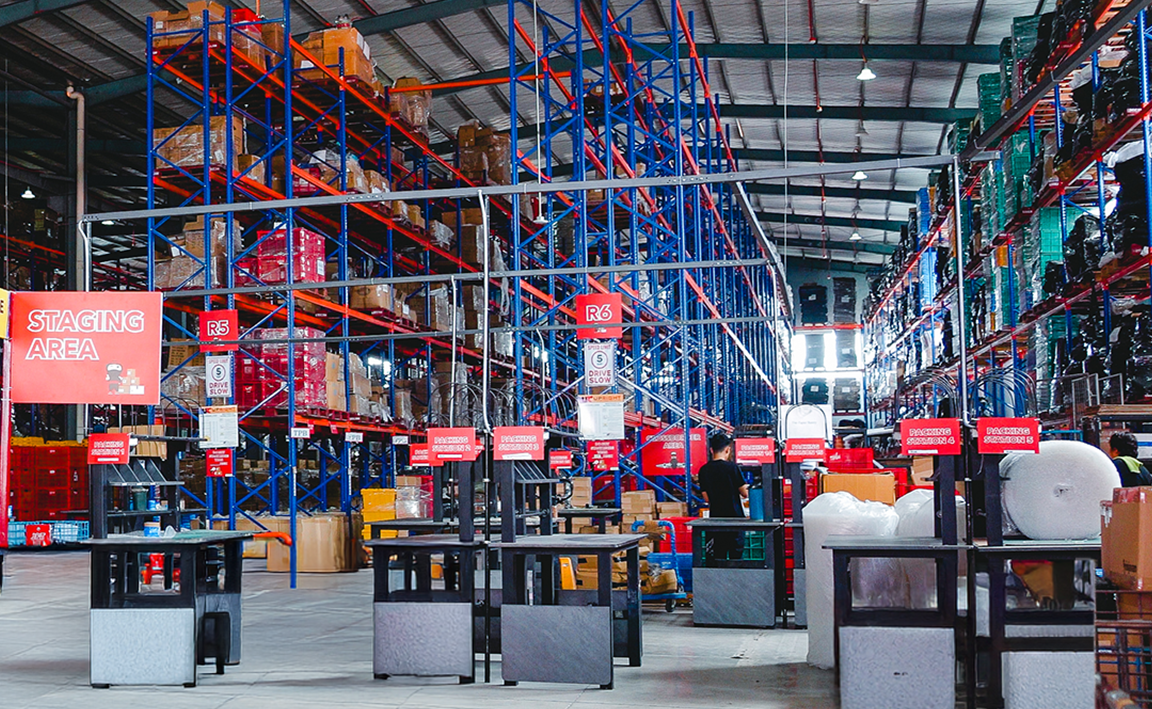
In the Philippines, fulfillment maturity is closely tied to a company’s ability to serve customers nationwide. Businesses that rely only on centralized logistics operations often face longer delivery timelines and higher shipping costs when serving provincial regions.
As e-commerce continues to expand, many businesses are adopting distributed fulfillment strategies supported by regional warehousing, integrated inventory systems, and reliable last-mile delivery networks.
Logistics providers such as Ninja Van Philippines support these evolving operational needs through services like Ninja Fulfillment, which help businesses manage inventory, fulfillment, and delivery through integrated logistics networks.
With Ninja Fulfillment, businesses can scale freely with minimal capital investment. Thanks to its pay-per-use pricing framework, you only pay for the storage and fulfillment you use, allowing for cost-efficient scaling as customer demand grows.
By strengthening fulfillment infrastructure and improving operational visibility, businesses can build supply chains that scale more effectively across different regions of the country.