
Warehouse Monitoring in Modern Fulfillment: How CCTV Improves Accuracy, Transparency, and Security

.webp)
A fulfillment error costs more than the item that was wrongly picked.
- A mispacked order → refund + support ticket + negative review
- A wrong bulk shipment → stock issues across multiple stores
Across both direct-to-consumer orders and wholesale replenishment, the expectation from a fulfillment partner remains the same:
Correct products. Proper handling. Clear accountability.
This is where warehouse monitoring matters.
Modern fulfillment uses system tracking supported by CCTV to create checkpoints from inbound to dispatch, making issues easier to prevent, trace, and resolve.
What Warehouse Monitoring Means in Modern Fulfillment Operations
Warehouse monitoring is not a single camera at the entrance. It is a system of operational checkpoints.
It typically includes:
- CCTV coverage at key operational areas, including inbound receiving bays, picking stations, packing tables, and outbound dispatch points
- Logged fulfillment actions in system records, which can be reconciled with monitoring footage when a specific case needs review
- Barcode scanning integrated into the packing flow, confirming correct SKU handling before an order is sealed
The distinction worth drawing is between passive surveillance and active operational monitoring:
- Passive surveillance means footage is checked only after an issue is raised
- Active operational monitoring means checkpoints are built into regular fulfillment processes, with actions documented as standard rather than retrieved retroactively
In Ninja Fulfillment's workflow, packed orders are monitored via CCTV at packing stations. Footage is available to support incident review and dispute investigation when cases arise, as part of a documented process that runs continuously across operations.
How CCTV Improves Fulfillment Accuracy Across Key Stages
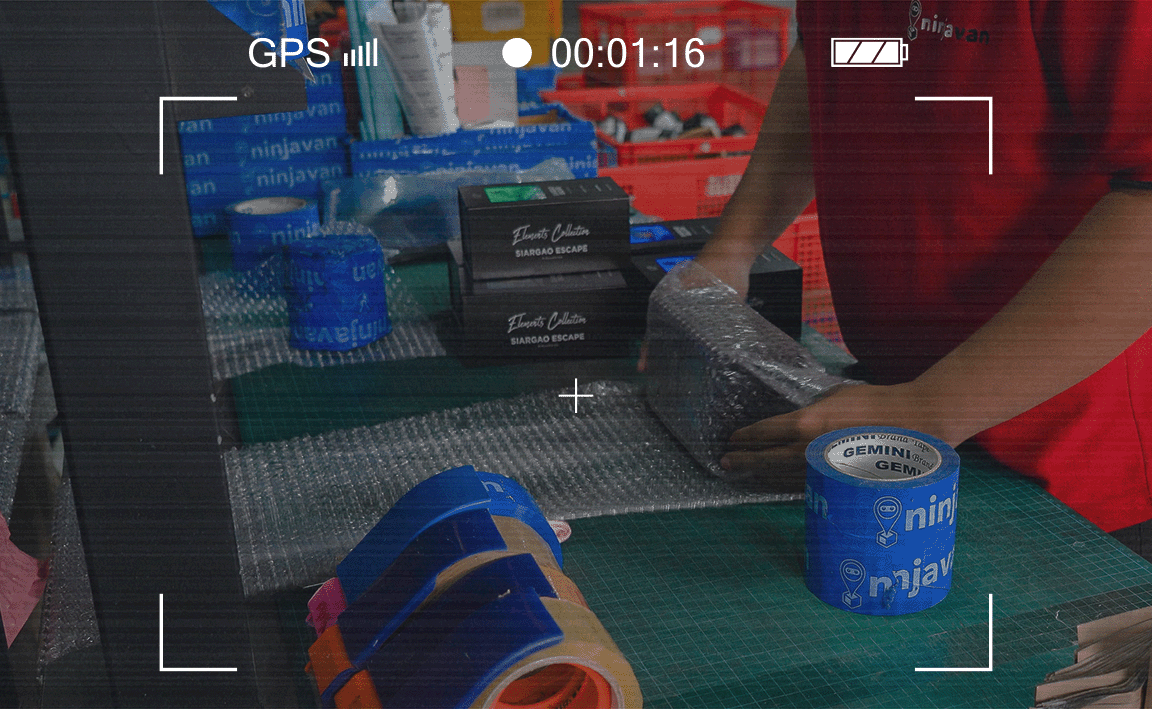
CCTV improves accuracy by creating verifiable checkpoints across the workflow.
Inbound and Putaway Verification
When products arrive at the warehouse, documented inbound processing establishes a clear baseline: what was received, in what quantity, and in what condition.
This record becomes important later in the fulfillment cycle. If discrepancies or damaged units surface, a verified inbound record provides both the brand and the fulfillment partner with a reliable reference point.
Without this baseline, determining whether an issue occurred before or after receipt becomes difficult. For high-value, fragile, or expiry-sensitive goods, this lack of clarity can lead to unresolved disputes and unnecessary cost.
Pick-and-Pack Accuracy
The packing station is where many fulfillment errors originate. A picker may select the wrong variant, apply an incorrect label, or send out an incomplete bundle.
While each mistake may seem minor within the warehouse, the impact becomes significantly higher once it reaches the customer.
CCTV monitoring, combined with barcode scanning, creates a strong control point:
- Barcode scanning confirms the correct SKU before packing
- CCTV documents the packing process at the station
- Both provide a verifiable record when issues need investigation
Together, these reduce incorrect dispatch rates and make root-cause analysis faster and more precise.
For businesses managing large SKU catalogues or variant-heavy product lines, this checkpoint is essential. Even a low error rate can translate into a high number of incorrect orders at scale.
Dispatch and Handover Confirmation
Once an order is packed, the handover to last-mile delivery introduces another potential gap in accountability.
A parcel that is correctly packed but poorly documented at dispatch can lead to disputes that are difficult to resolve. This is particularly critical for B2B shipments, where a single issue may affect an entire bulk delivery.
Outbound monitoring helps address this by improving documentation at the handover stage:
- Dispatch events are recorded before transfer to courier
- Responsibility between warehouse and delivery partner is clearer
- Disputes can be resolved more efficiently using documented records
For high-volume operations, this reduces unnecessary back-and-forth and allows teams to focus on execution rather than issue investigation.
Transparency in Operations: What It Looks Like for Your Business
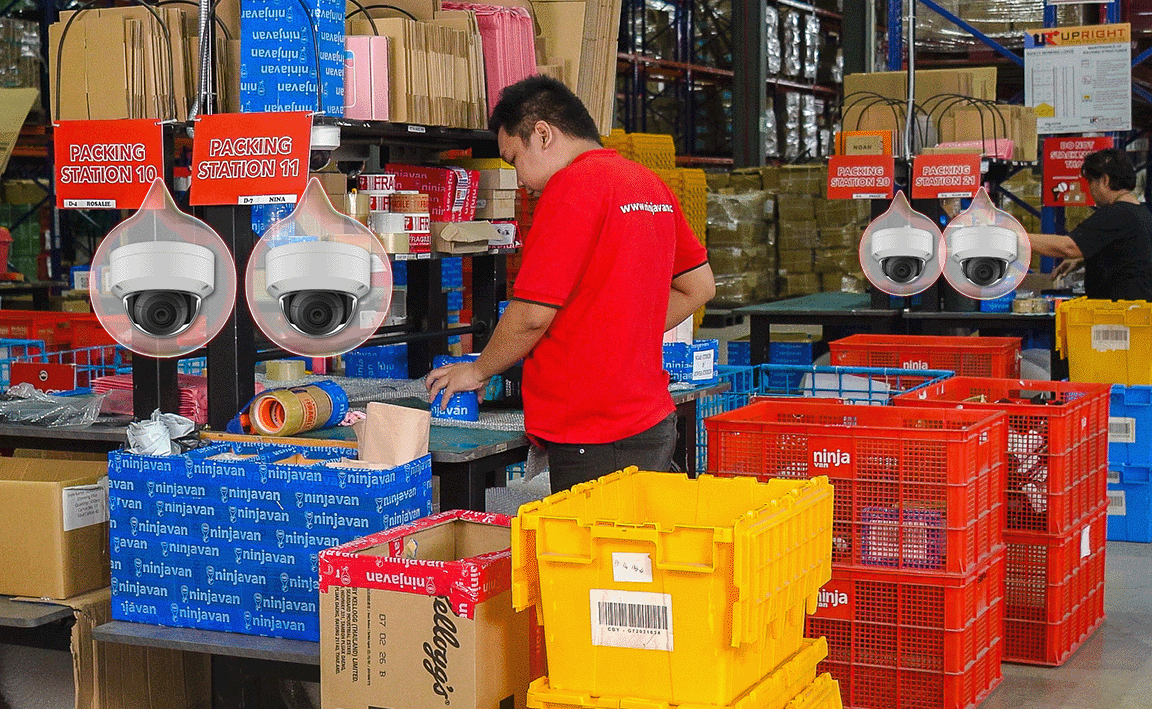
Operational transparency is not a monthly summary. For a brand that is not physically present in the warehouse, it is having documented checkpoints at each stage of the fulfillment cycle that can be referenced when needed by your own operations team and your fulfillment partner’s account leads alike.
Here is what monitoring-supported transparency covers across the fulfillment journey:
- Inbound: quantities and condition documented on arrival, creating a verified baseline of what entered storage
- Storage: products assigned to identifiable locations; stock levels maintained and updated in real time across all sales channels and marketplace integrations
- Pick and pack: key packing actions logged and supported by CCTV coverage at stations
- Returns: returned items reintegrated into inventory records, with stock counts reconciled accurately
Security and Operational Monitoring: Protecting Products and Performance
Warehouse monitoring supports both product security and operational consistency by ensuring that handling processes are followed and documented across daily activities.
FMCG
High SKU counts and expiry-sensitive products require correct lot handling and stock rotation throughout the fulfillment process. For FMCG brands managing complex distribution, monitoring at picking and packing stations supports verification that the correct batches are being selected, reducing the risk of near-expiry stock reaching end consumers or retail partners.
Beauty and Personal Care
Branded packaging standards and fragile units require consistent packing compliance across every order. For beauty and personal care brands where product integrity and presentation are part of the customer experience, monitoring helps ensure handling procedures are followed, protecting both the product and the brand perception it carries.
Ninja Fulfillment supports fast-growing beauty brands including KJM Cosmetics, Dermtropics, and Orijin Global Brands from its fulfillment hub in Cabuyao, Laguna.
Fashion
Size and variant accuracy is non-negotiable. A wrong size is an almost guaranteed return, and at volume the cost compounds quickly in reverse logistics, customer service load, and the cumulative impact of consistent sizing complaints. Barcode scanning at picking stations combined with CCTV verification is particularly high-value in fashion fulfillment,, where variant proliferation across size, color, and cut creates the conditions for frequent manual error.
Home & Living
Bulky and breakage-prone Home & Living products require documented care from storage through packing. Monitoring helps ensure correct handling procedures are applied consistently and provides a reference point when damage claims are raised at delivery rather than leaving the cause unresolved.
From Monitoring to Continuous Improvement
Monitoring data is not only useful for resolving individual incidents. Over time, it becomes a source of operational insight.
It helps identify patterns such as:
- Recurring pick errors in a specific product category may point to a storage layout issue, a labeling problem, or a putaway configuration that can be corrected at the root rather than addressed through individual retraining alone. Identifying the pattern is what makes a permanent fix possible.
- Packing station reviews during peak periods can reveal where process steps are being compressed under volume pressure. Catching this proactively before a campaign or sales surge allows for capacity and staffing adjustments before errors compound rather than after.
- Dispute data aggregated over time exposes systemic gaps rather than isolated incidents. When the same type of claim appears repeatedly across different orders or clients, it signals a process issue that targeted improvement can address rather than a series of unrelated mistakes.
These insights allow fulfillment operations to improve continuously rather than react to isolated issues.
The result is a system that becomes more accurate over time, especially as order volume increases.
Achieving Consistent Fulfillment Performance at Scale
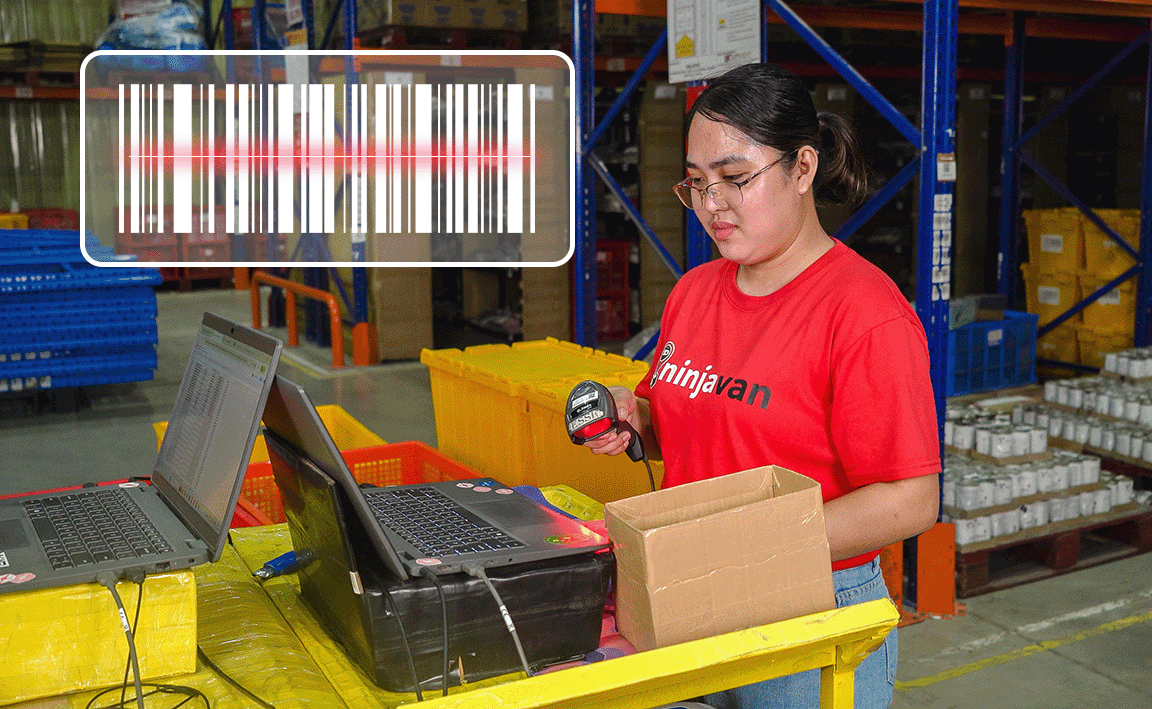
Warehouse monitoring functions as a control layer in modern fulfillment, supporting both B2C and B2B operations.
For brands managing operations remotely, it enables:
- Greater visibility into how products are handled
- Faster resolution when issues arise
- Consistent execution across channels and order types
Ninja Fulfillment integrates CCTV-verified monitoring at packing stations, barcode-driven pick accuracy, and real-time inventory management. At Ninja Van, every order represents your brand, and our technology is built to safeguard that trust, giving you greater confidence, visibility, and peace of mind across the entire fulfillment process.
Following its formalized partnership with Anchanto, its WMS supports precise inventory synchronization and consolidated reporting across B2C and B2B operations, giving brands across FMCG, beauty, fashion, and Home & Living the operational accountability they need to grow without compromising on quality or control.
Want to see what accountable fulfillment looks like for your business? Talk to the Ninja Van Philippines team to discuss your requirements.