
Beyond the Factory Gate: How Philippine Manufacturers Control Multi-Brand Nationwide Distribution

.webp)
Philippine manufacturers are moving away from passive "hand-off" distribution. You managed the production line, but once the goods reached the factory gate, a third-party distributor took over. This passive, single-brand model worked when the market was smaller and less competitive. Today, it is no longer enough. Companies now manage multiple brands and thousands of distinct SKUs, requiring a more active, in-house supply chain strategy.
Relying on traditional third-party distributors often leads to siloed operations. When your data is scattered across different vendors, you lose sight of your inventory. This lack of visibility makes it hard to grow, especially when trying to expand into provincial markets brand-by-brand.
The latest BSP Business Expectation Survey highlights why this matters. While 2025 Q4 confidence rose to 29.7% due to holiday demand and efficiency gains, the year-ahead outlook dipped to 40.4%. Manufacturers must use this current momentum to build leaner networks, ensuring they stay resilient during the slower months ahead.
To fix this, manufacturers are moving toward end-to-end (E2E) logistics. By using regional hubs and a single, flexible network, companies can finally take back control of their growth.
Why Traditional Distribution Fails Multi-Brand Growth
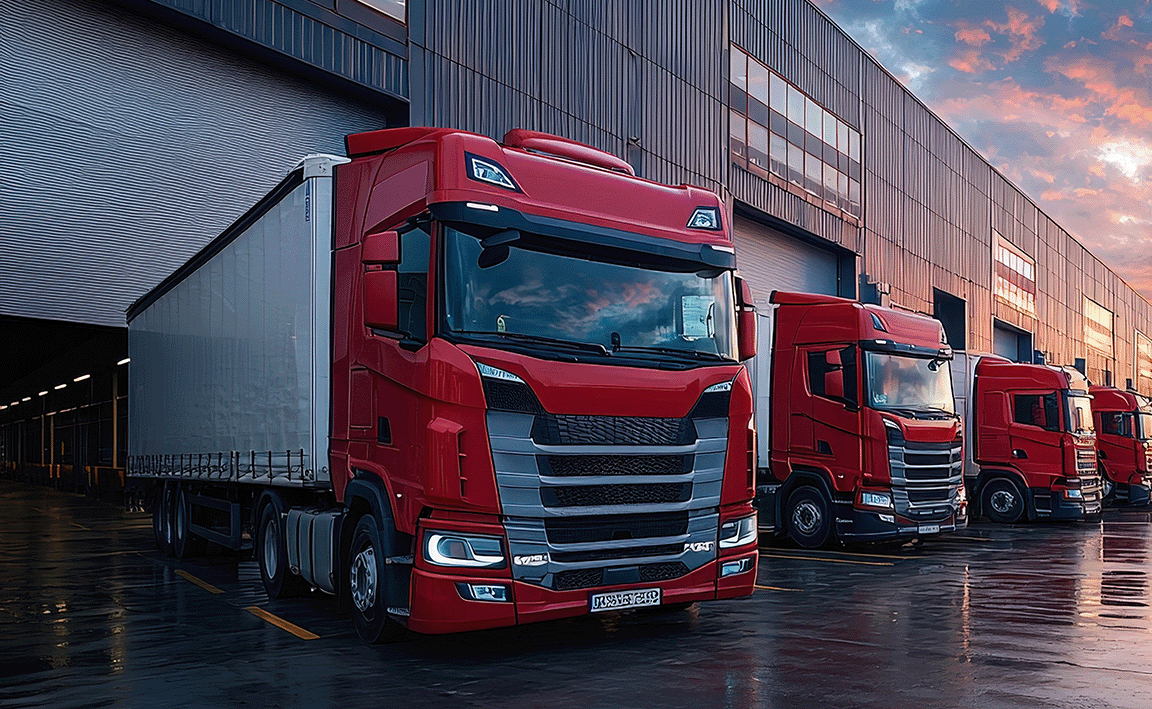
The old way of moving goods relies on a patchwork of local distributors. This creates several operational bottlenecks that prevent scalability:
- Data Blindness: You know what you produced, but you don't know what is actually on the shelf. When data is trapped with external distributors, you cannot react to real-time market demand.
- The "Middleman Tax": Every time your product changes hands between different providers, your profit margins shrink. Fragmented logistics, where one company handles Luzon and another handles Mindanao, leads to redundant fees and administrative mess
- Zero Accountability: If a shipment of electronics or FMCG goods arrives damaged at a regional branch, identifying the culprit is nearly impossible in a multi-provider chain.
- Slow Market Entry: Launching a new brand or SKU becomes a slow process because you have to coordinate with multiple partners who may not share your sense of urgency.
Taking distribution in-house is a necessity for brands looking to scale in 2026. It is about controlling the "production-to-shelf" timeline and ensuring your brand reputation remains intact across every island.
Building a Flexible Production-to-Hub Pipeline
To grow in the Philippines, you have to move past the idea of a single central warehouse in Manila. The geography of the country makes a one-hub model too slow. You need to store inventory closer to where people are actually buying it. This is the logic behind a modern supply chain. By using regional hubs, you can stage inventory for all your brands in strategic spots across the islands.
To compete, you must move your inventory closer to the final destination before the order is even placed. This is the core of a modern fulfillment strategy. This is where services like Ninja Fulfillment change the game. It allows manufacturers to move beyond the limitations of a single central warehouse.
1. The "Pay-As-You-Use" Advantage
Modern fulfillment and warehousing solutions allow manufacturers to be lean. Instead of signing long-term leases on massive warehouses that might sit half-empty, you can use flexible storage. This allows you to scale your space up during peak seasons (like the Q4 holiday rush) and scale down when demand levels off. This flexibility is vital for managing multiple brands with different seasonal peaks.
2. Regional Staging for Rapid Restock
A regional hub acts as a local extension of your factory floor. By moving bulk stock to hubs in cities like Cebu, Davao, or Iloilo, you reduce your lead times from weeks to days.
- Bulk Transfer: Move large volumes via sea or land to the hub.
- Local Picking: When a local retailer or branch needs stock, the order is picked and packed at the regional hub.
- Last-Mile Delivery: The product reaches the shelf faster, reducing the risk of "out of stock" situations.
B2B Restock: Meeting the Standards of Modern Trade
If you sell to major supermarkets, department stores, or mall-based retailers, you know how strict "Modern Trade" can be. These retailers operate on a Requested Arrival Date (RAD) system. If you miss your window, you face penalties, or worse, your products are sent back.
A specialized B2B restock service is built to handle these high-stakes deliveries. It isn't just about having a truck; it’s about having a system that guarantees performance.
1. Flexible SLA
In B2B logistics, reliability matters, but so does flexibility. Different inventory situations call for different turnaround times, so businesses perform better when they can choose an SLA that matches their urgency and budget, fast when stock is tight, cost-efficient when replenishment is planned.
For example, Ninja Restock offers two flexible SLA options: Standard for faster, time-sensitive restocking, and Economy for scheduled replenishment with longer lead times and better savings. This lets teams restock on their own terms while keeping supply predictable and costs controlled.
2. Scan-to-Print Accuracy
Manual errors in the warehouse are the leading cause of "wrong item" returns. To prevent this, logistics partners use scan-to-print technology.
- Every pallet or parcel is scanned at the sorting facility.
- A unique shipping label is generated instantly based on the system data.
- This removes the risk of human error, ensuring the right SKU reaches the right branch every time.
Solving the VisMin Challenge: Inter-Island Logistics
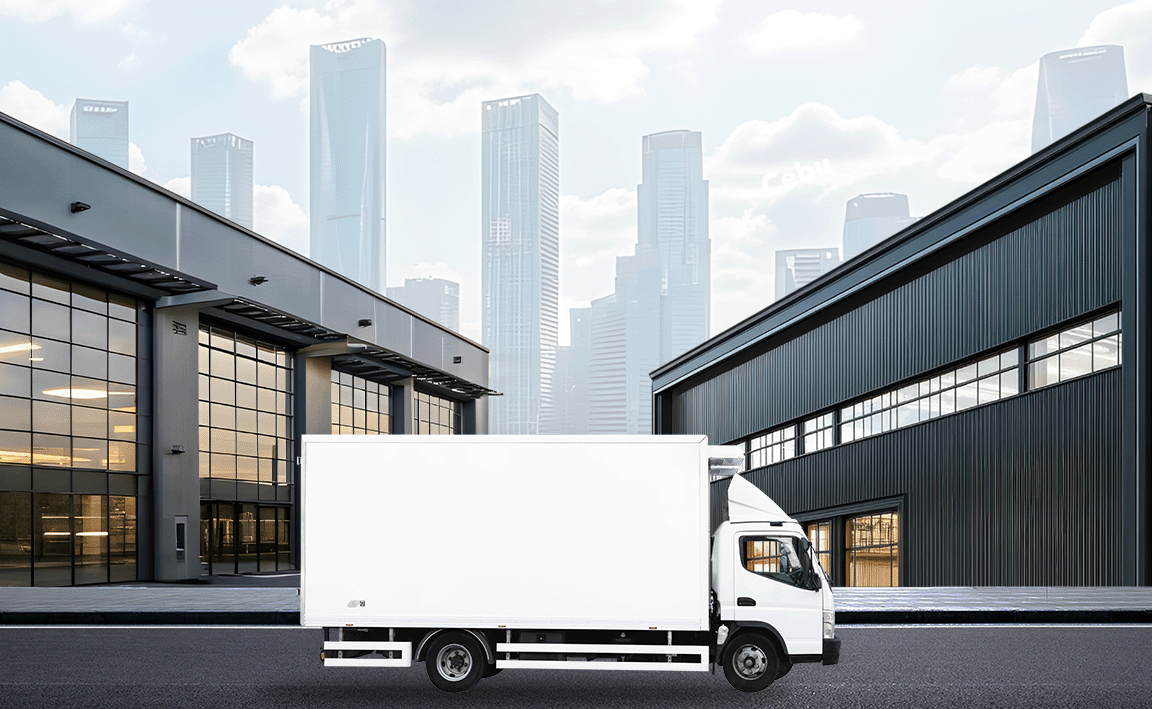
The Philippines' geography is your biggest logistical hurdle. Moving goods across the sea often results in unpredictable schedules and damaged goods. For a manufacturer with multiple brands, these delays break the consistency of your market presence.
Using a single E2E partner for inter-island logistics provides a consistent chain of custody. This is vital for:
- Retail Distribution: Keeping your products available in provincial malls and stores.
- Inter-Branch Transfers: Moving marketing materials, office equipment, or spare parts from your Manila headquarters to your regional sales offices.
Operational Efficiency: Lessons from the FMCG Sector
Managing hundreds of SKUs across multiple brands requires more than just a warehouse. It requires data. If you cannot see your inventory, you cannot manage it.
Modern logistics dashboards give you a "bird's eye view" of your entire operation:
- Real-Time Tracking: See exactly where your shipments are, whether they are on a ship to Cebu or a truck in Davao.
- Stock Levels: Monitor inventory levels across all regional hubs to prevent overstocking or stockouts.
- Performance Metrics: Track your RAD performance and delivery success rates to identify bottlenecks in your supply chain.
This level of visibility allows for rapid inventory reallocation. If Brand A is selling faster in Iloilo than in Cagayan de Oro, you can use your dashboard data to shift stock between hubs. This agility is impossible when you are blinded by traditional distribution models.
Practical Steps: How to Transition to Outsourced Logistics Provider
Moving to an E2E model is a strategic shift, but it doesn't have to happen all at once. Here is a practical way to start:
- Audit for Fragmentation: Look for hidden delays and costs. Are you paying different vendors for each brand or region? Check how much you are spending on internal branch transfers. If your data is in five different places, your system is fragmented.
- Consolidate Your Providers: Move from multiple 3PLs to one partner that can handle the full spectrum. Example, from bulk transport to Ninja Restock for retail.
- Test Regional Markets: Don't try to go nationwide on the first day. Start with a hub in a high-growth area like Cebu or Davao. Use this to prove the model works and fix any issues before you roll it out to the rest of the country.
Scaling Your Multi-Brand & Multi-Branch Operations
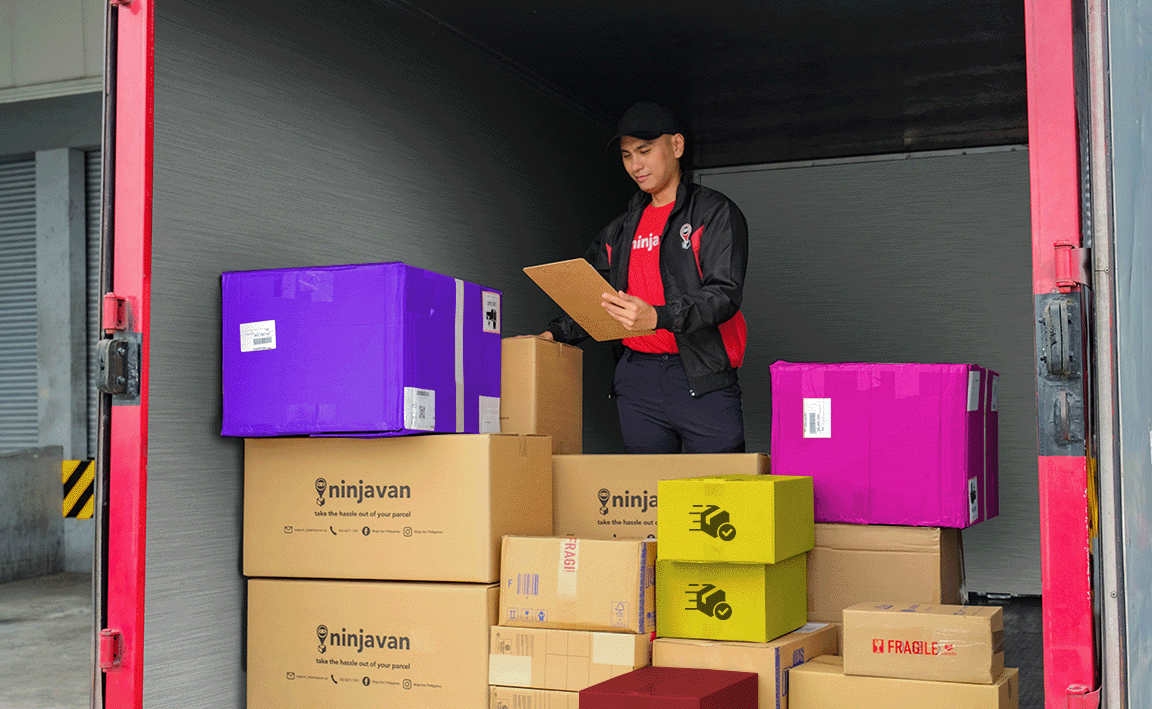
In-house logistics is not about doing more manual work. It is about having more control. By removing the layers of middlemen and fragmented providers, you see your business more clearly. You gain the flexibility to launch new brands, restock retailers faster, and manage your internal branches with ease.
Partnering with a logistic leader like Ninja Van provides the integrated infrastructure needed to turn a factory into a nationwide powerhouse. With an extensive nationwide network and a dedicated B2B delivery system, Ninja Van handles the heavy lifting of fulfillment and inter-island transport.
This leaves you free to focus on what you do best: manufacturing the products that drive the Philippine economy. The future of manufacturing belongs to the companies that own their journey beyond the factory gate. By investing in a single, integrated logistics partner, you are building a faster, leaner, and more profitable business.