
Connecting Warehouses to Retail: Practical Logistics Insights for Philippine Businesses

.webp)
As Philippine businesses expand beyond Metro Manila, logistics has become a high-stakes balancing act. Retail chains now span provincial cities and remote towns, demanding tighter coordination between warehouses, delivery fleets, and store operations.
The challenge isn’t just moving goods. It’s doing so on time, at controlled cost, and with minimal stockouts. Congested roads, unpredictable demand, and fragmented geography often make inventory replenishment an expensive guessing game.
To stay competitive, brands and distributors must re-examine how products flow from warehouse shelves to retail racks, using technology and structured logistics processes to bring predictability back into the system.
Understanding Warehouse-to-Retail Logistics
Before you can improve your logistics, it’s important to understand what really happens between your warehouse and your retail shelves. In the Philippines, this journey is rarely straightforward. Let’s break down what’s involved and why it matters.
What Is End-to-End Logistics?
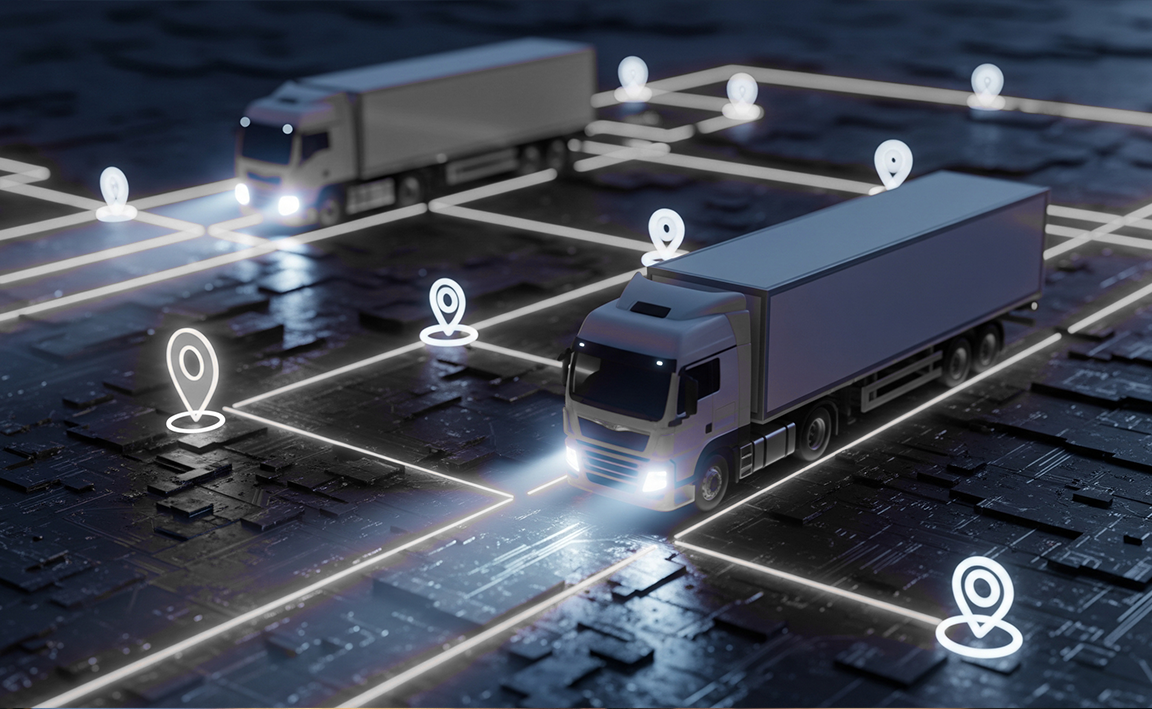
End-to-end logistics covers every step of the journey, from picking and packing products at the warehouse to delivering them to your retail outlets. It’s about making sure the right products reach the right stores at the right time.
Common Pain Points
Operating a supply chain in the Philippines is not for the faint of heart. Between unpredictable weather, endless traffic, and a thousand scattered islands, businesses fight a daily logistics battle.
Common struggles include:
- Late deliveries caused by traffic bottlenecks or heavy rains that paralyze entire routes.
- Stockouts and empty shelves that cost not just revenue, but customer trust.
- High logistics costs when sending small shipments to far-flung locations.
- Complex routing with multiple drop-off points that stretch resources thin.
Here’s a surprising fact: Davao City has now overtaken Metro Manila as the most traffic-congested city in the Philippines, according to the TomTom Traffic Index. Davao ranked 8th most congested city in the world, where residents spend nearly 33 minutes to travel just 10 kilometers. Imagine how that kind of gridlock compounds for delivery fleets.
This is exactly the kind of challenge faced by Davao-based beauty brand, KJM Cosmetics . This brand was facing slow inbound processes, unpredictable shipments from Mindanao to Luzon, and restricted service scope.
They partnered with Ninja Van’s fulfilment solution, gaining same-day handovers, marketplace integrations (Lazada, Shopee, TikTok), and full-country reach without setting up new facilities. The result: 94% year-on-year growth, ~17,500 monthly orders (up from under 5,000), a 98%+ fast fulfilment rate and zero marketplace cancellations.
Reliability isn’t just a nice-to-have in this geography. It’s fundamental. Every delay, detour or misrouted parcel chips away at profit margins and, worse, erodes trust with customers who expect you to deliver no matter the road conditions.
Why Structured Logistics Matter
Without a solid logistics process, it’s easy to lose track of inventory, miss delivery windows, or overstock slow-moving items. For brands aiming to scale, having a structured, reliable logistics system is a must. It’s the backbone of profitable retail operations in the Philippines.
Key Factors Impacting Logistics Efficiency
Improving logistics isn’t just about moving goods faster. It’s about making smarter decisions at every step. Here are the main factors that can make or break your warehouse-to-retail operations.
Delivery Frequency & Scheduling
If your delivery schedule is inconsistent, stores might run out of stock or end up with too much inventory. Striking the right balance is crucial. Too few deliveries, and you risk empty shelves but too many? your costs could go up.
Load Consolidation & Co-loading
Sending out trucks that aren’t full wastes money. By combining deliveries for multiple stores or brands (co-loading), you can cut transportation costs and make every trip count. This is especially helpful for retailers with many small-format stores in different areas.
Inventory Visibility & Tracking
You can’t manage what you can’t see. Real-time inventory tracking lets you know exactly what’s in stock at each location, making it easier to plan replenishments and avoid both overstocking and stockouts.
Technology Enablement
Solutions like Ninja Van Restock automate scheduling, optimize routes, and consolidate loads across customers. By integrating mid-mile and last-mile logistics into one platform, retailers gain visibility over every shipment, from dispatch to store receipt.
This automation cuts manual coordination, shortens lead times, and supports consistent on-shelf availability.
In short, efficiency comes from discipline: planned routes, clear visibility, and data-driven coordination that turns logistics into a growth advantage rather than a daily crisis.
Strategies for Optimizing Warehouse-to-Retail Movement
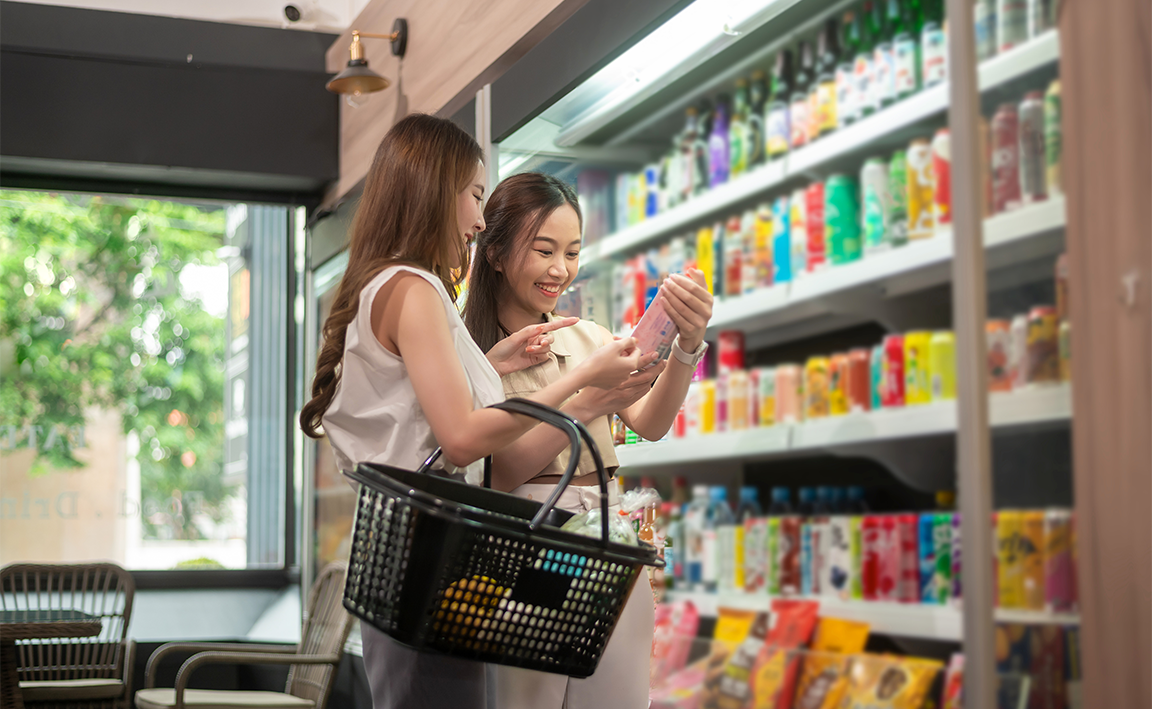
Once you know what’s slowing you down, it’s time to take action. Here are proven strategies that Philippine businesses use to keep inventory moving smoothly from warehouse to retail.
Route Optimization Tools
Philippine traffic is unpredictable. Route optimization software helps map out the fastest, most efficient delivery routes, considering real-time traffic, distance, and delivery volume. This saves time, cuts fuel costs, and keeps shelves stocked.
Flexible Restocking Options
Sometimes you can plan ahead; other times, you need to restock urgently. Flexible options let you handle both scheduled and last-minute deliveries, so your stores are always ready for customers.
Ninja Restock: SLA-Based Restocking
Ninja Restock offers SLA-based restocking, which means you can count on both planned and urgent deliveries being fulfilled as promised. This reliability helps stores avoid stockouts and keep best-sellers available.
Ninja Dash: Reliable Standard Delivery for Everyday Operations
Not every shipment needs to arrive within hours. For most businesses, what matters more is predictability. Ninja Dash follows a standard delivery schedule that helps retailers maintain consistent planning and reliable customer communication:
- Metro Manila & Greater Manila Area: 1–3 days
- Visayas & Mindanao: 5–7 days
By having clear and stable delivery timelines, retailers can better manage inventory, set accurate customer expectations, and avoid the unpredictability that often comes with rush shipping.
This consistency is especially helpful during campaign seasons, ongoing promotions, or steady daily order flows where reliability matters more than speed. It gives brands a delivery rhythm they can build their operations around.
Smart Inventory Allocation
Not all stores are created equal. Prioritizing inventory for high-traffic locations or those with critical SKUs ensures your most important outlets never run dry. Data-driven allocation helps maximize sales and minimize lost opportunities.
Measuring Logistics Performance
Operational excellence demands consistent measurement as you can’t improve what you don’t measure. Tracking the right metrics helps you spot problems early and make smarter, data-driven decisions. Here’s what to watch:
- On-Time Delivery Rate: Are your deliveries arriving as scheduled?
- Fill Rate: Are orders being fulfilled completely and on time?
- Average Delivery Cost per Store: How much are you spending to get products to each location?
- Stockout Rate: How often are stores running out of inventory?
Tracking these metrics uncovers inefficiencies before they grow expensive. Ninja Van’s dashboards make it easy to monitor delivery status, SLA performance, and inventory movement in real time so you’re always in control. Data turns logistics from a cost center into a managed asset, where every delivery informs smarter decisions.
Making Logistics Work for Your Business
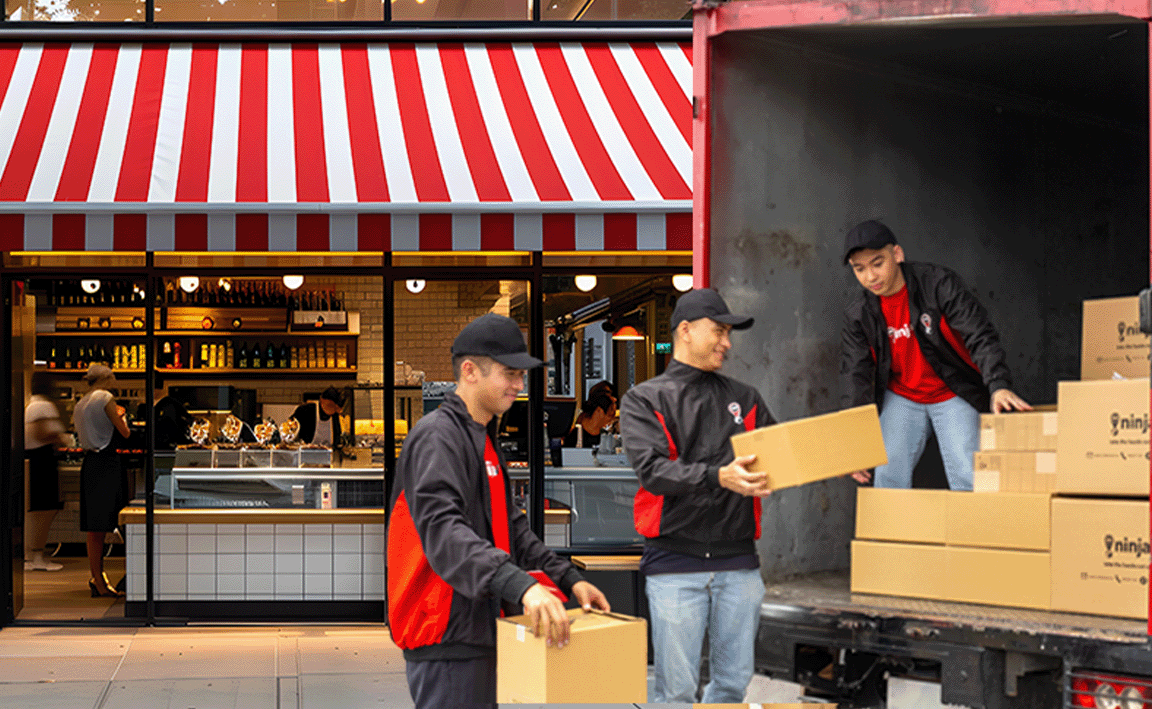
Connecting warehouses to retail stores efficiently isn’t just about moving boxes.It's about keeping customers happy, reducing costs, and staying ahead of the competition. By using strategies like co-loading, route optimization, and real-time inventory tracking, Philippine businesses can turn logistics into a real advantage.
Ready to level up your operations? Explore Ninja Van solutions to make your warehouse-to-retail movement faster, smarter, and more reliable.