
A Practical Fulfillment Checklist for FMCG Brands in the Philippines

.webp)
Even with months of planning, many retailers still find themselves scrambling when peak season hits.
A recent study by DP World found that most global retailers remain stuck in a reactive mode. Nearly all surveyed leaders admitted their teams are still “firefighting” supply chain issues, and the majority reported direct revenue losses tied to fulfillment and delivery problems.
For FMCG brands in the Philippines, this pressure is constant. Fast-moving SKUs, frequent promotions, and narrow margins leave little room for error. When fulfillment breaks down, it does not feel like a warehouse problem. It shows up as canceled orders, refunds, poor reviews, and missed campaign sales.
This is why fulfillment plays a critical role in growth. The checklist below helps FMCG brands assess whether their current setup can support daily volume and campaign spikes without relying on constant firefighting.
Quick Reality Check: Where FMCG Fulfillment Breaks First
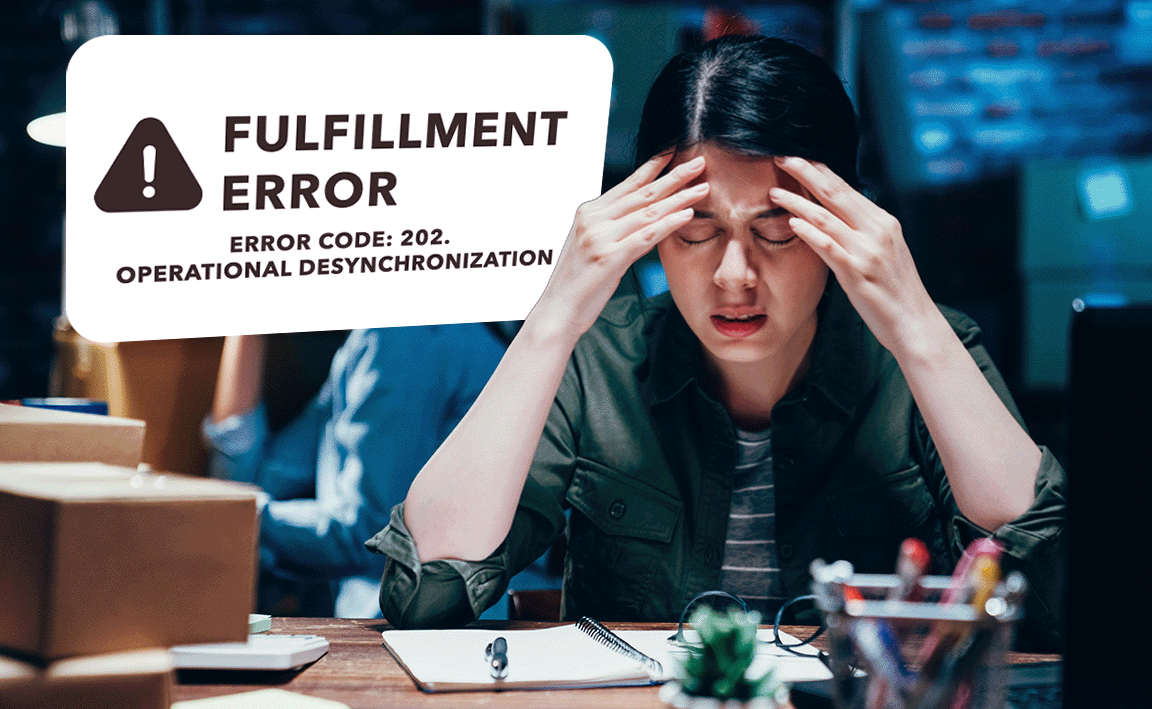
Most FMCG fulfillment issues follow familiar patterns:
- Orders dispatched late during promotions or payday sales
- Wrong SKUs or variants shipped
- Limited visibility into actual stock levels
- Returns accumulating without a clear process to put stock back into circulation
These issues hit FMCG brands harder because of high order volume, wide SKU ranges, and sudden demand spikes driven by campaigns. Adding more staff may help temporarily, but it does not solve repeat problems.
Strong fulfillment performance comes from systems that deliver consistent outcomes every day, not from last-minute fixes. The checklist below highlights where most breakdowns start and how to identify them early.
Understanding Last-Mile Delivery in Corporate Contexts
Last-mile delivery is where fulfillment performance becomes visible to customers. Dispatch speed, accuracy, and reliability upstream directly affect whether orders arrive on time, in full, and without issues. The following checks focus on how well your fulfillment operation supports consistent last-mile handover, especially during high-volume and campaign periods.
1) Dispatch Speed: Confirm You Can Hand Over Orders the Same Day
For many FMCG operations, dispatch delays do not start at picking or packing. They usually happen at the handover stage. Unclear cut-off times, manual sorting, or ownership gaps often slow orders just before they leave the warehouse.
Start by checking whether your operation has a clearly defined daily order cut-off and a consistent same-day handover process. There should be no confusion over who releases orders for last-mile delivery and when that happens.
A reliable setup ensures that orders placed before the cut-off are dispatched on the same day, with stable dispatch queues on normal operating days. Warning signs include frequent rollovers to the next day, ad hoc re-sorting, or dispatch delays caused by unclear timelines.
Some end-to-end fulfillment setups in the Philippines, including Ninja Van Philippines, are structured to support same-day handover to any preferred last-mile courier with a 5pm cutoff as part of their fulfillment workflow.
2) Dispatch Reliability: Validate Dispatch SLAs During Peak Periods
Fast dispatch means little if it cannot be sustained during campaigns. Many FMCG brands perform well on regular days but struggle when order volume spikes during paydays or major sales.
Review whether dispatch SLAs are tracked daily and whether performance is reviewed consistently. Capacity planning and escalation processes should already be in place before peak periods arrive.
A strong fulfillment setup maintains stable dispatch SLAs even during high-volume campaigns. Red flags include SLAs that are not measured, or problems that only surface after customers start complaining.
In one Ninja Fulfillment case study involving an FMCG TikTok brand, Ninja Van PH notes it was fulfilling around 40,000 orders per month and processing 1,000+ orders per day. If your current setup struggles to stay consistent once volume spikes, this is the type of daily-throughput benchmark worth sanity-checking against your own peak calendar.
3) Inventory Visibility: Check If You Can See Stock and Orders in Real Time
Limited inventory visibility is one of the fastest ways to lose sales. Overselling, emergency replenishment, and unexpected stockouts are often caused by delayed or inaccurate stock updates.
FMCG brands should be able to view inbound, outbound, and available stock at SKU level, along with order status from fulfillment to delivery. Dashboards or client portals should replace manual spreadsheets, allowing teams to spot low stock levels and slow-moving items early.
If stock updates lag behind actual movement or system records regularly differ from physical inventory, campaign risk increases significantly. Many fulfillment providers now treat real-time visibility through client portals and system integrations as a baseline standard.
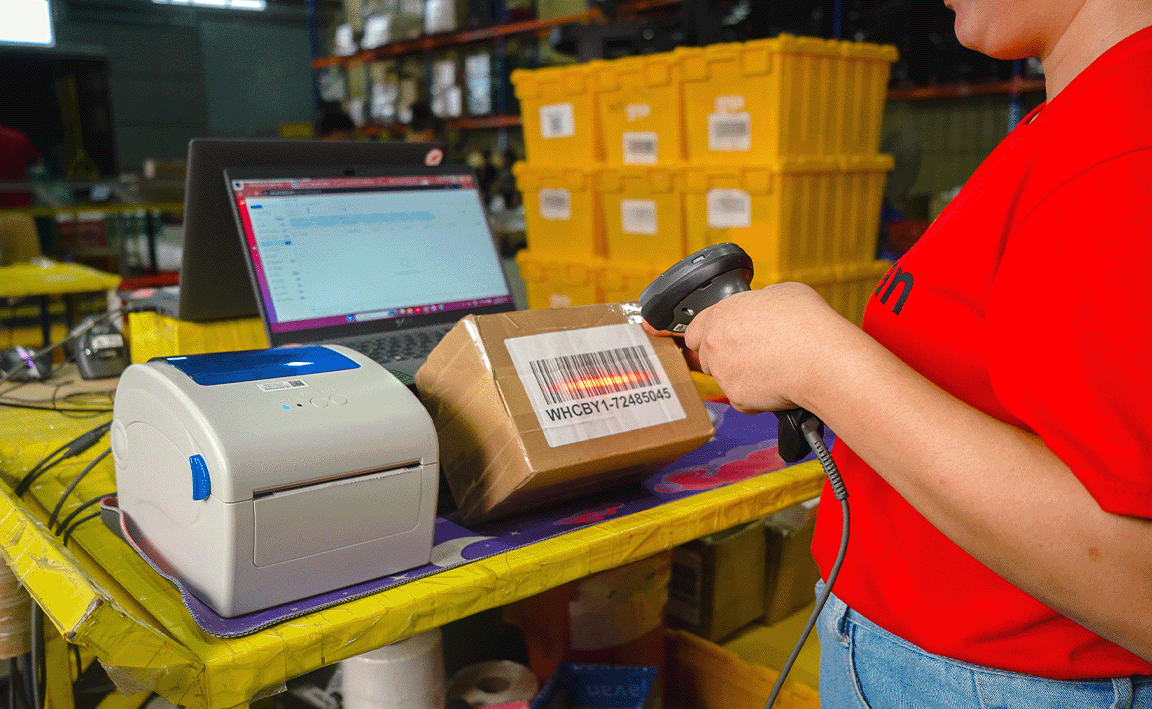
4) Accuracy: Confirm Barcode-Led Handling and Product-Location Matching

FMCG accuracy is more complex than it looks. Variants, flavors, shades, and bundled items all increase the chance of picking errors, especially during peak periods.
Check whether all goods are barcoded, whether storage locations are system-matched, and whether exceptions are handled through defined quality checks. A well-run operation maintains low wrong-item rates even during campaigns and follows consistent packing standards.
If accuracy depends heavily on staff memory or experience, error rates will rise as volume grows. Barcode-led handling reduces this risk by making accuracy part of the system rather than relying on individuals.
5) Cost Flexibility: Compare Fixed Overheads vs Pay-for-Use Models
Fixed warehouse rent and staffing costs can quietly strain FMCG margins. During slower periods, these costs remain even when order volume drops.
Review how much of your fulfillment cost base is fixed versus variable. A flexible setup allows capacity to scale with demand, reducing idle space and unnecessary labor during off-peak periods.
Common warning signs include underused warehouse space, overstaffing outside campaign periods, and rushed hiring just before promotions. Flexible fulfillment models help FMCG brands better align costs with actual sales volume.
6) Integrations and Campaign Support: Confirm Readiness for FMCG Promotions
Promotions put pressure on every part of the fulfillment process. Bundles, relabeling, sudden order spikes, and higher return rates all test system readiness.
Confirm whether your fulfillment setup supports platform integrations or structured order uploads, whether kitting and bundling can be handled consistently, and whether returned items can be processed quickly for resale.
Strong setups allow campaign orders to flow smoothly, with returns reintegrated efficiently. Red flags include last-minute bundle assembly, heavy reliance on manual uploads, or duplicated and missed orders during promotions.
In practice, fulfillment providers such as Ninja Fulfillment offer value-added services such as kitting and bundling, plus custom packaging options during peak season to streamline peak workflows. If your promo plan includes bundles, gift sets, or relabeling, this is the part of the operation that should be tested before launch day.
A Simple 30-Day Transition Plan
If changes are needed, the goal is not to overhaul everything at once. A phased rollout helps teams validate workflows, fix gaps early, and build confidence before volume increases. The outline below shows how FMCG brands can move from testing to steady-state operations within a month, without disrupting day-to-day fulfillment.
Week 1: Start Small and Validate the Basics
Onboard your top SKUs, confirm inbound handling accuracy, and set clear packing and labeling standards.
Week 2: Run Controlled Order Batches and Check Dispatch Flow
Test orders placed before and after cut-off times, monitor handover timing, and address early bottlenecks.
Week 3: Add Bundles and Returns Rules
Introduce kitting workflows, define return inspection criteria, and track reinventory turnaround time.
Week 4: Scale Volume and Lock the Operating Rhythm
Gradually increase volume, assign dashboard and escalation owners, and review weekly performance metrics.
Brands evaluating long-term restructuring may also review supply chain improvement insights to benchmark their readiness for scaling.
Use This Checklist to Protect Growth, Not Just Ship Orders
FMCG brands that scale successfully focus on six fundamentals: dispatch speed, dispatch reliability, inventory visibility, handling accuracy, cost flexibility, and campaign readiness.
When fulfillment works well, it supports revenue growth, customer satisfaction, and long-term scalability. When it fails, the impact is immediate and difficult to recover from.
For FMCG brands preparing to scale, exploring fulfillment solutions in the Philippines that combine warehousing, pick-and-pack, returns processing, and same-day last-mile handover can help support sustainable growth.